

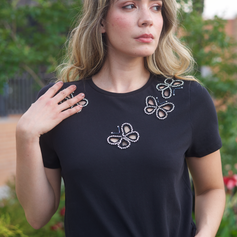
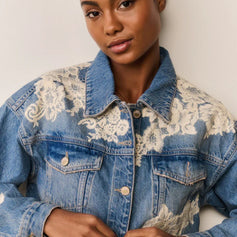


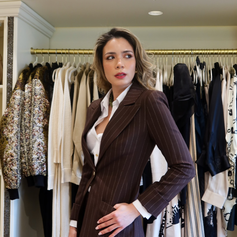




The most repeated advice about a silk blouse for women is to match the bust measurement, buy the closest size, and treat the purchase as an automatic investment. That advice treats woven silk like a stretch tee. It is not. A close fit can look fine on a hanger and then pull the moment she reaches, sits, or slides a blazer over it.
A better start is the hardest hour in her week, then a movement check, then the care the cloth will get. Cool water, no wringing, and time out of bright light are not fussy extras. They are how a higher-priced blouse stays worth wearing. Cedar & Lily Clothier carries curated designer and contemporary tops for that desk-to-dinner range, with shops at Utica Square in Tulsa and downtown Jenks.
Table of Contents
- Silk Blouse Types and the Occasions They Suit
- Silk Versus Satin and Other Blouse Fabrics
- How to Check a Silk Blouse Before You Buy
- Fit and Neckline Choices for Your Body Type
- Styling Silk Blouses for Work, Events and Weekends
- How to Wash and Store Silk Blouses
- Is a Silk Blouse Worth the Investment?
- Choose Your Silk Blouse at Cedar & Lily
Silk Blouse Types and the Occasions They Suit
For most wardrobes, one crepe de chine or habotai blouse in a neutral colour covers office days and weekends. Glossier, sheerer, or crisper silks can wait for a setting that needs them.
| Fabric type | Feel and sheen | Best occasion | Care level |
|---|---|---|---|
| Habotai | Lightweight, soft matte sheen | Everyday and summer office | Moderate, cool hand-wash if the label allows |
| Crepe de chine | Fluid drape, subtle texture | Workdays and dinners | Moderate, gentle hand-wash or dry clean |
| Charmeuse | Glossy front, fluid and weighty | Evening events and dinners | High, dry clean recommended |
| Silk chiffon | Sheer, airy and floaty | Warm-weather events, layered looks | Moderate, handle gently and wear with a camisole |
| Dupioni | Crisp, slubbed texture, structured | Tailored work and formal occasions | Higher, usually dry clean |
| Silk jersey | Soft stretch knit | Casual days and travel | Moderate, hand-wash cold |
How to read the rows
Start with care, then sheen. Lightweight weaves such as habotai suit summer work because the cloth stays soft and quiet. Charmeuse has a glossier front, so even a simple cut reads as evening. Crepe de chine sits between them: enough texture for a blazer, enough drape for dinner.
A navy crepe de chine blouse, tucked under a blazer, is the meeting version. Lose the blazer, keep the fitted trousers, and the same blouse goes to dinner. A charmeuse blouse with those trousers skips the office step. The shine does the dressing, so it is the wrong first silk if her week is mostly fluorescent light and a commute.
Edge cases worth knowing
Silk chiffon is a layer until a camisole or slip sits under it. Dupioni holds a structured line beside a jacket, but the slubs and crisp hand crease in a bag, so it is a poor travel silk. Silk jersey is the stretch exception, closer to a knit on a long drive than to any of the wovens above.
Practical rule: Choose the fabric for the most demanding setting in the week, then add lighter styles for the rest.
At Utica Square or downtown Jenks, hold two weights and move in both. The cloth that still looks calm after a reach is the one to buy first.
Silk Versus Satin and Other Blouse Fabrics
Satin is a weave. Silk is a fibre. A satin blouse can be silk, polyester, or a blend, and the hang tag is the only honest referee. Silk is a natural protein fibre from silkworm cocoons. It can feel comfortable in warmth, but it is not the most ventilated natural fibre on the rack.
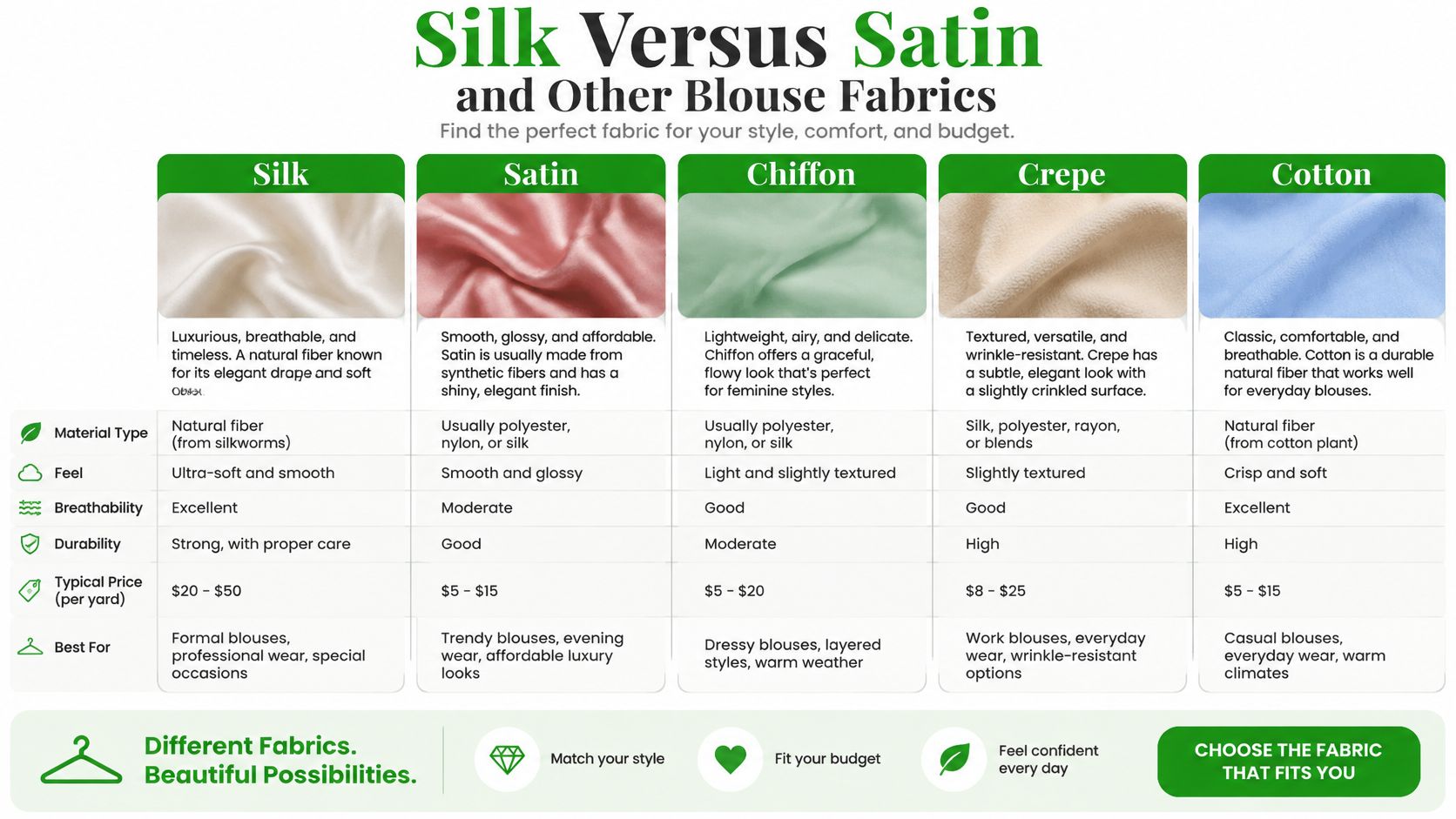
In comparative textile testing, mulberry and eri silk showed high moisture absorption, wickability, and thermal absorbency with relatively low thermal resistance, while their low air permeability can reduce convective heat loss, and a comparison of silk, wool, and linen found linen had the highest air permeability, according to a Springer textile study. Lightweight silk with an open weave is the summer pick. A denser weave gives more coverage when wind, not heat, is the problem.
| Feature | Silk | Polyester satin |
|---|---|---|
| Fibre origin | Natural protein fibre from silkworm cocoons | Synthetic polymer |
| Breathability | Absorbs moisture, comfortable in warm weather | Absorbs less moisture, can feel clammy |
| Drape and sheen | Soft, natural luster and fluid drape | Glossy, often flatter drape |
| Washing | Delicate, cool hand-wash or dry clean | Often machine-washable |
| Value | Higher cost, pays off with careful wear | Lower cost, practical for frequent wear |
Polyester satin earns its place when the blouse will be washed often and the budget is tight. Silk earns its place when heat comfort and a softer luster matter more than laundry speed. A polyester satin shell is a sensible weekly team-meeting top. A silk crepe blouse is the better client-dinner piece, provided she will care for it. For a simpler satin layer under jackets, the shop's notes on satin camisole tops are a useful contrast, not a substitute for reading the fibre label.
Buy silk when look and comfort in heat come first. Buy satin when the blouse must survive frequent washing.
How to Check a Silk Blouse Before You Buy
A silk blouse can look polished on a product page and still disappoint in motion. Check the label, construction, and coverage, then judge how the fabric behaves as you move. Authorized retailers buy directly from the brands they carry, and all merchandise is authentic. Cedar & Lily Clothier offers a curated collection of timeless sophistication and current trends, including labels such as Lace the Label.
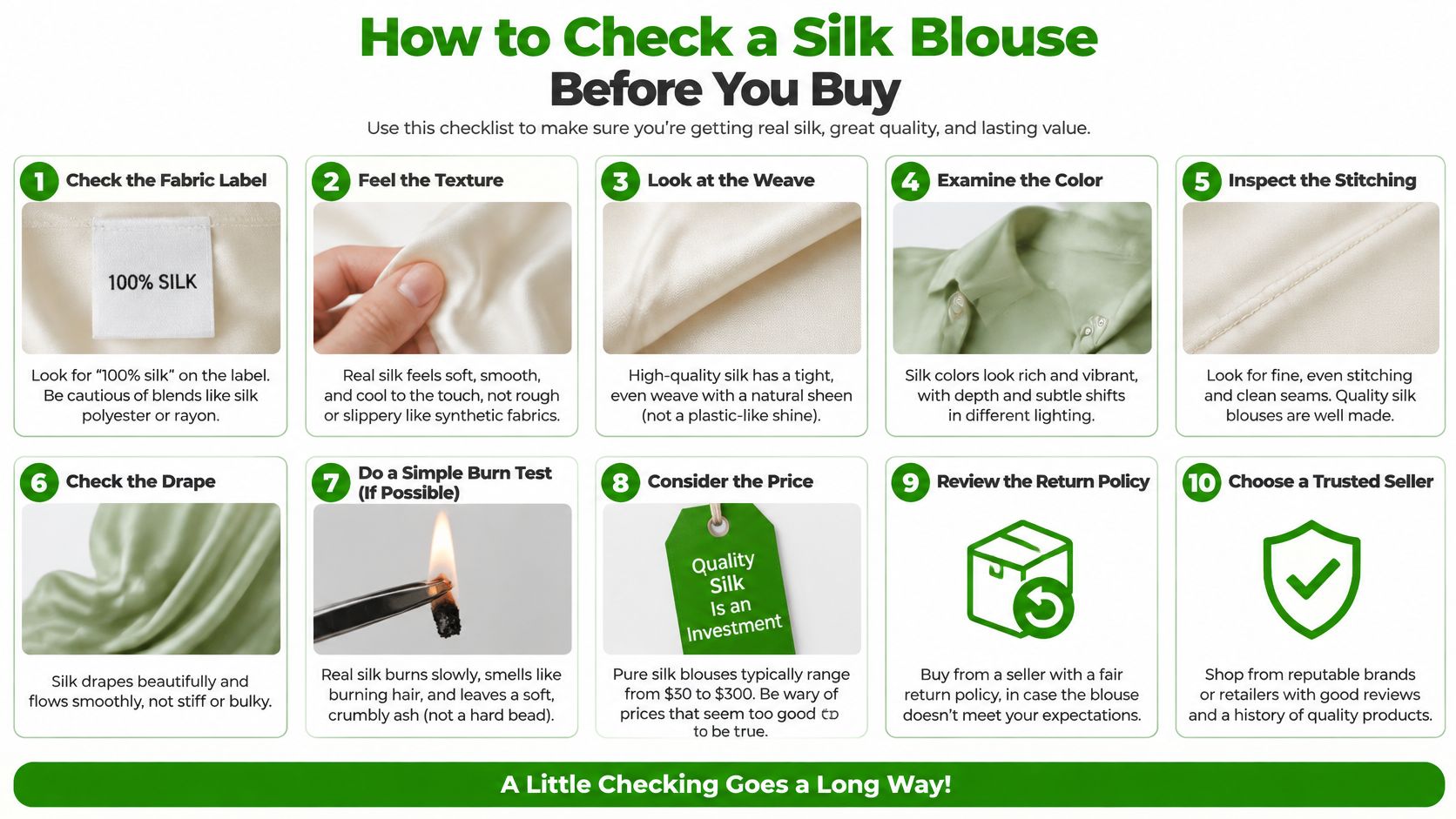
The Federal Trade Commission textile labeling guidance says covered garments must list generic fibre names and percentages by weight in descending order, along with country of origin and the manufacturer, importer, or other responsible business.
- Read the fibre list. Fibres appear in descending order by weight. Check the silk percentage rather than relying on the garment's name.
- Look past surface descriptions. “Silky,” “satin,” and “silk-touch” describe appearance or feel, not fibre content.
- Check origin and responsibility. The label should identify where the blouse was made and the responsible company, by name or identification number.
- Inspect seams and hem. Look for even stitching and a smooth finish. Puckering can signal that the fabric was pulled or handled poorly during sewing.
- Check the fabric against light. Note its opacity and whether you would be comfortable wearing it without a camisole.
- Compare its sheen and drape with a silk blouse you know. A familiar reference makes it easier to judge fabric in person than from a screen.
- Ask to see the label and seams together. At Cedar & Lily Clothier's Utica Square location in Tulsa or its Jenks storefront, a team member can help you inspect the blouse before you decide.
A blend can be a sensible choice, but its fibre content affects how the blouse feels and how carefully it needs to be handled. Use the label to assess whether its composition suits your priorities. If silk is not the largest fibre, consider whether the price reflects the blend rather than the word “silk.”
Fit and Neckline Choices for Your Body Type
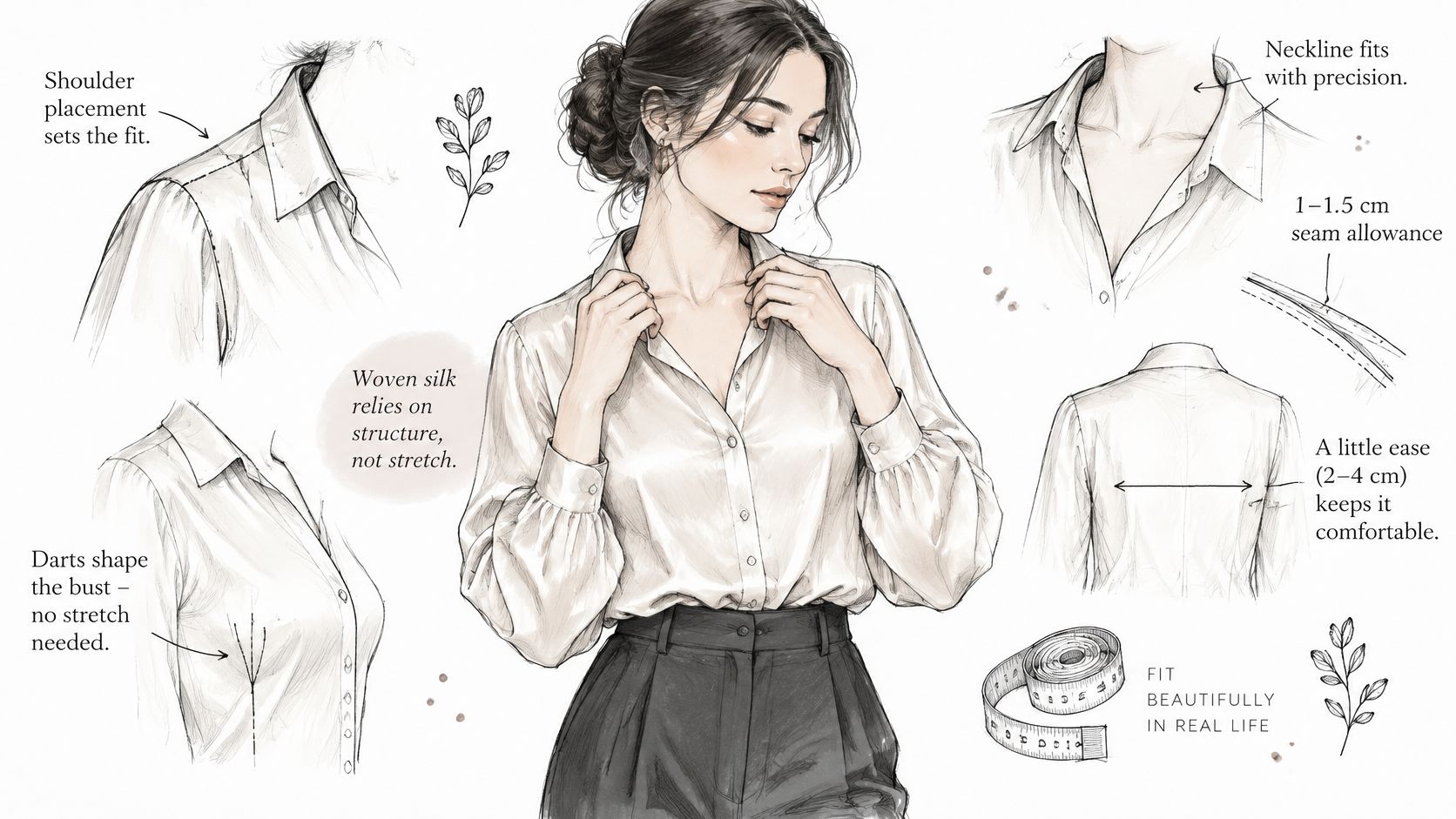
A blouse can match your usual size and still restrict your movement. Woven silk has little natural stretch, so comfort depends on ease, shoulder placement, darts, seam allowance and bias. Use movement, not the size label alone, as your fit check, following the women's silk blouse guide. Humidity can make silk feel heavier and closer to the skin, while a dry, cool office may call for more opacity and a layer that stays in place.
The fitting-room sequence
Raise both arms. Horizontal strain across the bust signals too little ease, even if the size matches a tee. Sit and check that the collar stays flat rather than climbing. Then tuck the blouse under a blazer and walk. If the hem rides up or slips out, it may be uncomfortable through a long meeting. Because silk can slide against a lining, a slightly longer back hem may sit more reliably than a short, tight cut.
Silk drapes, and pulling shows. A little extra room lets the fabric move with the body, and a well-cut blouse often looks more polished than one that clings.
Necklines that do a job
| Fit consideration | Neckline to try | Cut to choose |
|---|---|---|
| Fuller hips | V-neck or wide boat neck | A blouse that skims the hips, with detail at the shoulder or sleeve |
| Fuller midsection | Open V or wrap neckline | A relaxed body with a defined waist tie |
| Defined waist | Wrap, surplice or sweetheart | A waist-skimming fit with a structured shoulder |
| Straighter silhouette | Ruffle, cowl or keyhole | A waist seam or belt to add shape |
| Shorter frame | Small V or round neck | A shorter hem and restrained volume |
| Wider shoulders | Scoop or soft V | A relaxed sleeve without a strong shoulder structure |
These are starting points, not rules. Try the neckline with the blouse buttoned and move your arms; a shape that looks balanced in a mirror still needs to feel comfortable in motion. For more ideas on choosing cuts for your proportions, see this guide to dressing for your body type.
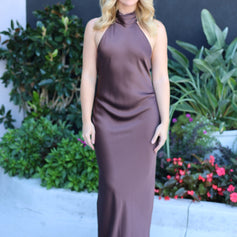
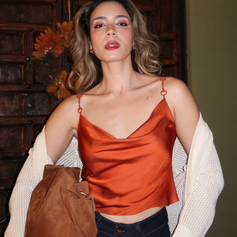
In humid weather, a looser cut leaves more room to breathe. In a dry, air-conditioned office, a closer fit with a layer can work if the movement check still passes. On-model photography offers a better view of how a blouse sits on a body than a hanger image, though it cannot show how the garment feels when you raise your arms or sit. At Cedar & Lily Clothier's Utica Square and Jenks locations, the team can help check arm movement, sitting comfort and how a blouse works under a blazer.
Styling Silk Blouses for Work, Events and Weekends
One blouse, three settings, three different supporting pieces. The silk stays. The structure around it changes.
Work. Tuck a neutral silk blouse into high-waisted classic trousers or a pencil skirt. Add a structured blazer and keep jewellery to a small stud or a thin chain. The blazer supplies the authority. The silk supplies the softness. More combinations sit in these business casual outfit ideas for women.
Evening. Pair charmeuse or crepe with a midi skirt or wide-leg trousers. One statement earring or a small clutch is enough. A tartan skirt can do the same job as dark trousers when the invitation is festive, and ladies' tartan wear at Kilts4Less shows how a patterned wool changes a quiet blouse without adding sequins.
Weekend. Knot the blouse at the waist over straight-leg jeans and flat sandals, or leave it loose under a cardigan. The knot needs a hem that is long enough to stay tied after she sits.
The Go Soft Spoken Blouse Print is a silk top with a print, suited to the dressier end of that range. The Go Silk Go Scuba Cutaway is the more casual option, with a comfortable fit for jeans and a cardigan.
A camisole keeps sheer silk modest. A blazer makes a silk top acceptable in a boardroom. Change those two layers before changing the blouse.
How to Wash and Store Silk Blouses
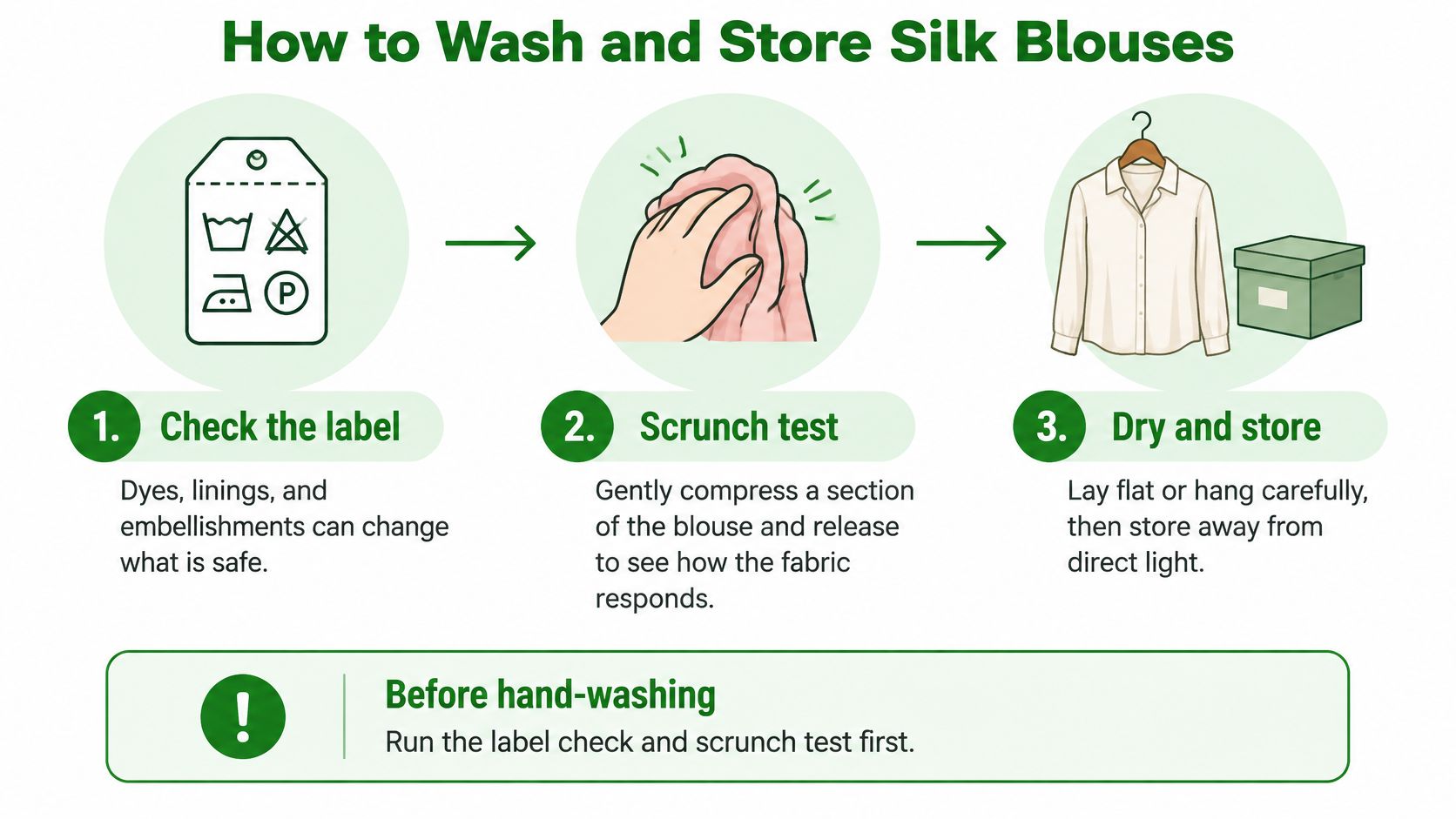
Start with the sewn-in label. Dyes, linings, and embellishment can make one blouse less washable than the one beside it. Two checks come before any basin of water, as Wirecutter's silk laundering guide lays out.
Tests, then water
- Scrunch. Gently compress a section and release it. If the cloth smooths, careful hand-washing is reasonable. If it stays crinkled, use a dry cleaner.
- Colourfastness. Dampen a cotton swab and rub an inside hem or side seam. Dye on the swab means professional cleaning.
- Cool water and a gentle detergent, only if both tests pass.
- Swish with almost no agitation. Silk does not need a workout.
- Never wring or twist. Press water out in a towel.
- Dry flat, or hang away from direct sun.
- Skip the tumble dryer. Heat and tumbling damage the fibre.
Stains and the closet
Blot a fresh stain with a clean cloth. Do not rub, and do not reach for heat or bleach. Test any spot treatment on a hidden seam first, then take a set stain to a dry cleaner. Store the blouse away from prolonged light, on a padded hanger or a clean fold, and let it rest between wears. A piece with unstable dye will ask for more maintenance than a simple washable style, which matters when she is packing for travel. The longer routine is in this guide to how to care for silk clothing.
Is a Silk Blouse Worth the Investment?
Silk carries an environmental cost, from fibre production to finishing. Research on silk's environmental burdens estimates that producing 1 kilogram of silk may require about 26,700 liters of water. The same research identifies cocoon reeling as a major environmental hotspot and notes burdens from dyeing, washing, finishing, harvesting, unwinding, spinning, and weaving. Natural fibre alone does not establish how responsibly a garment was made.
A buying test that respects that cost
- Wear it often. A versatile colour and simple silhouette will likely earn more use than a one-night print.
- Choose repairable construction. Durable seams and buttons, along with a replaceable camisole, can help extend a blouse's life.
- Follow the care label. Silk's care limits are part of its ownership cost, and neglect can shorten the garment's useful life.
- Read sourcing claims closely. Claims about raw fibre, finished fabric, animal welfare, and the full supply chain cover different things.
A camel silk blouse worn once a week for three years costs less per wear than a trend blouse worn twice. That calculation makes the investment easier to judge: weigh likely use and construction against purchase and care costs.
A well-made silk blouse can remain in a wardrobe for years. Its environmental value depends on frequent wear, sound construction, and verified sourcing, rather than fibre name alone.
Choose Your Silk Blouse at Cedar & Lily
The useful next step is to try the cloth, not to keep comparing photos. Visit Utica Square in Tulsa or the downtown Jenks shop, feel the weave, and let a team member run the arm, sit, and blazer checks before anyone talks about a bag.
Three paths, in order of how much help the blouse needs:
- Visit a store when fit, opacity, and sheen are still open questions.
- Shop the online store when she already knows her fabric and size.
- Ask the team for styling help when the occasion is specific and the blouse has to work with pieces she already owns.
Cedar & Lily Clothier offers free shipping on orders of $250 or more. Bring the questions from this guide, fibre content, neckline, and care, and the team can answer them with the garment in hand. Olga, in a website review, wrote, "I had a great experience ordering online from this boutique. My silky top was shipped very quickly, packaged with most care and I even received a hand written note from the boutique!" Come in, or reach out, before the week that needs the blouse.
Cedar & Lily Clothier edits silk blouses and polished tops for work, weekends, and evenings, with in-person styling at Utica Square in Tulsa and downtown Jenks. Use the fibre, fit, and care checks above, then come try the cloth or browse the collection with the team. Visit Cedar & Lily Clothier to shop or to plan a fitting.