





Yes, a polished jumpsuit with sleeves works at most wedding dress codes, including black tie when it's full length in an evening fabric; the invitation, venue and time of day decide the rest. Why, then, should a long sleeve make a casual jumpsuit seem formal enough for a wedding?
It shouldn't. Sleeves add coverage and structure, but fabric, trouser length and fit determine whether the whole outfit belongs at the celebration. A flutter-sleeve crepe jumpsuit and a fitted-sleeve velvet style serve different invitations, even when both look beautifully finished.
For shoppers comparing wedding guest jumpsuits with sleeves, the useful question isn't whether the arms are covered. It's whether the sleeve, silhouette and season make sense together, and whether the garment still feels comfortable when its wearer sits, reaches and dances.
Table of Contents
- Whether a Sleeved Jumpsuit Suits Your Dress Code
- Sleeve Styles That Match the Level of Formality
- Fabric and Silhouette for Each Wedding Season
- Breathability and Movement Tests Before You Buy
- Fit and Tailoring Fixes for Sleeves and Legs
- Complete Wedding Guest Looks with Shoes and Accessories
- Confirm the Dress Code and Book Your Fitting
Whether a Sleeved Jumpsuit Suits Your Dress Code
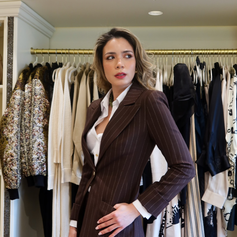
Does the invitation call for black tie, cocktail attire, or a garden celebration? Read the dress code first, then weigh the venue, ceremony expectations and time of day. Sleeves alone do not determine formality. Fabric, trouser length and silhouette must support the same level of dress.
The Knot's wedding attire guide includes jumpsuits among formal options and in its semi-formal guidance. A full-length jumpsuit in an evening fabric can meet a dressier code, while a relaxed cut or casual material can undermine the look.
Wedding dress codes and whether a sleeved jumpsuit fits
| Dress code | Jumpsuit verdict | Features to look for |
|---|---|---|
| Black tie | Yes, if full length | Floor-length leg, satin or velvet, deep or metallic color |
| Formal | Yes | Fitted waist, lustrous fabric or structured bodice, pearl or drop earrings |
| Semi-formal or cocktail | Yes | Midi or ankle length, polished crepe, dressy finish |
| Daytime or garden | Yes, with restraint | Light or fluid fabric, no bridal white, refined accessories |
| Religious or traditional ceremony | Usually, with conditions | Conservative neckline, opaque fabric, defined waist and clean trouser line, dress shoes |
| No dress code listed | Check first | Ask the couple or review their wedding website before buying |
Black tie calls for a full-length leg and an evening-appropriate fabric, such as satin or velvet, in a deep or metallic color. If the invitation explicitly requests a gown, or the ceremony has specific religious expectations, choose a dress instead.
For a formal invitation, a slim-fitting crepe jumpsuit with a defined waist reads more composed than a loose utility shape. At a cocktail celebration, an ankle-length leg leaves room for a dressy shoe while keeping the proportions balanced. Use this semi-formal wedding attire guide to place that middle-ground dress code.
Sleeves cannot make casual fabric, cargo pockets or an unfinished silhouette appropriate for a formal wedding.
Read the setting without letting it replace the invitation
A garden venue does not automatically call for casual clothing. Couples choosing a wine country setting for your vows may still send a formal invitation, so dress for the celebration specified rather than the scenery alone.
For a church ceremony, choose an opaque jumpsuit with a conservative neckline and dress shoes. Long sleeves do not resolve a plunging bodice or sheer torso, and some religious venues may have requirements that trousers do not meet.
Wide-leg jersey and cotton-linen can look too relaxed for a formal wedding, even with covered arms. If the invitation says only dressy or festive, check the couple's wedding website or ask directly before you buy.
Sleeve Styles That Match the Level of Formality
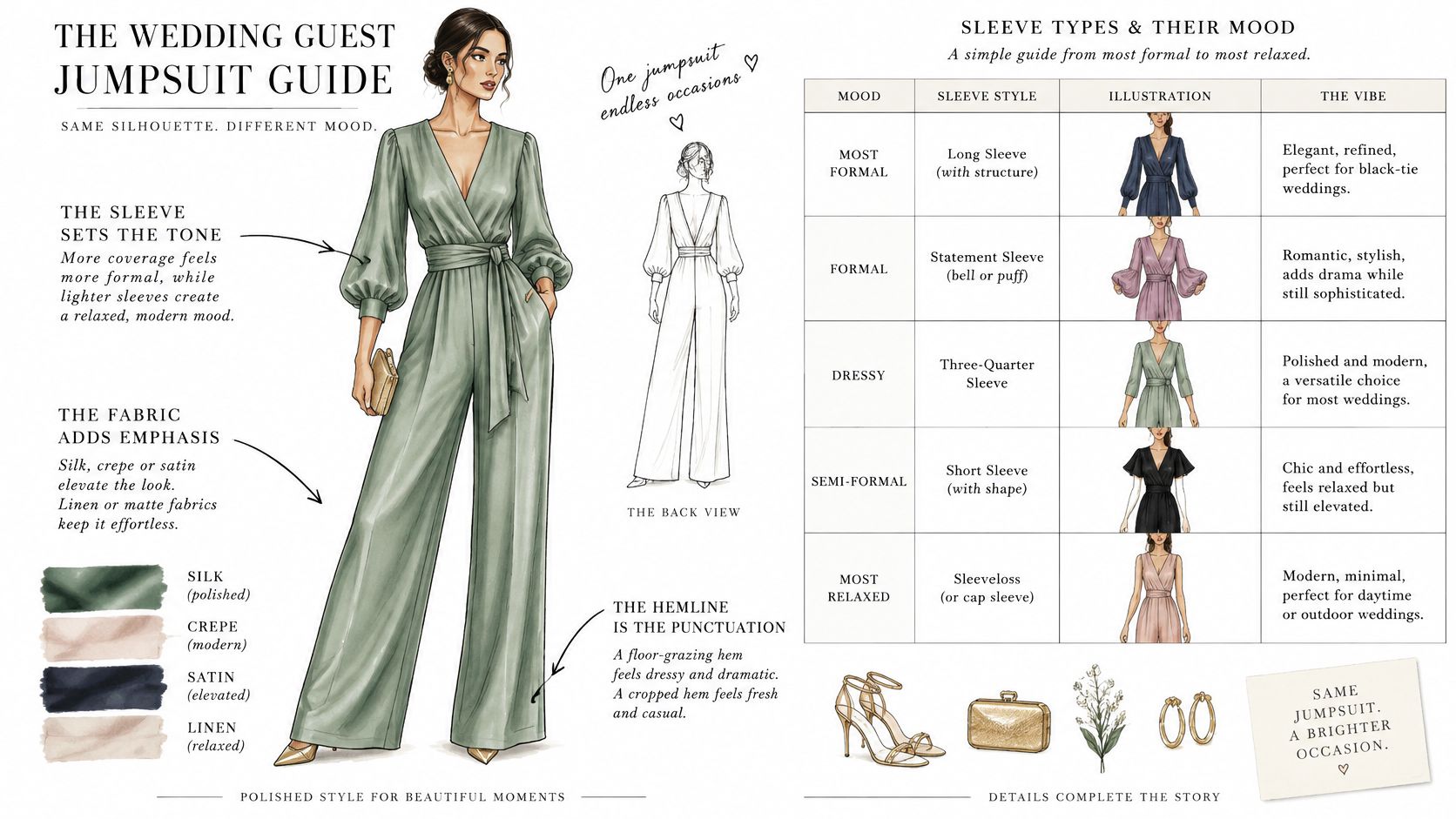
The sleeve is the sentence that tells the room how formal the outfit is; fabric and length provide the punctuation. A flutter sleeve suggests softness, while a fitted long sleeve creates a more composed line, but neither works independently of the garment beneath it.
The most useful comparison is between sleeve shape, visual volume and movement. Coverage matters, but so does whether a sleeve looks crisp, romantic or deliberately relaxed.
Sleeve types, formality signals and best settings
| Sleeve type | Formality signal | Best setting | Watch out for |
|---|---|---|---|
| Cap or flutter sleeve | Light, daytime or cocktail | Garden or daytime ceremony | Can look casual under black tie |
| Short puff sleeve | Playful cocktail | Brunch-style or daytime wedding | Can read youthful at formal events |
| Elbow sleeve | Polished semi-formal | Evening or cocktail reception | Check for drag across the elbow when bent |
| Three-quarter sleeve | Versatile | Most venues and shoulder seasons | Confirm the length sits at the wrist-to-elbow point intended |
| Full-length fitted sleeve | Formal to black tie | Evening, church or winter wedding | Needs room at the upper arm for dancing |
Cap and flutter sleeves work best when the rest of the jumpsuit has enough definition. A fitted waist and clean trouser line prevent a fluid sleeve from making the whole garment look shapeless.
A short puff sleeve needs restraint elsewhere. Choose a simple neckline and smooth waist rather than combining a prominent shoulder, oversized bow and busy print. For a formal reception, an elbow sleeve usually creates a quieter, more polished result.
The same sleeve can produce different results
Consider a three-quarter sleeve in matte crepe with a cropped, midi-length trouser hem. With a compact evening bag and pointed pump, the outfit reads as semi-formal. Change the fabric to velvet and extend the leg to floor length, and that same sleeve moves toward formal evening dressing.
The exact sleeve endpoint matters, too. A cuff that lands awkwardly against a bracelet or watches can look accidental; a deliberate three-quarter length leaves a clean section of forearm.
For fitted full-length sleeves, the upper arm must have enough ease to move without lifting the entire bodice. Textile research on fabric structure and comfort also supports evaluating construction rather than treating stretch content as the whole answer.
The evening jumpsuit styling guide helps translate those details into a finished occasion outfit. The strongest choice is the sleeve that supports the invitation, not the longest sleeve available.
Fabric and Silhouette for Each Wedding Season
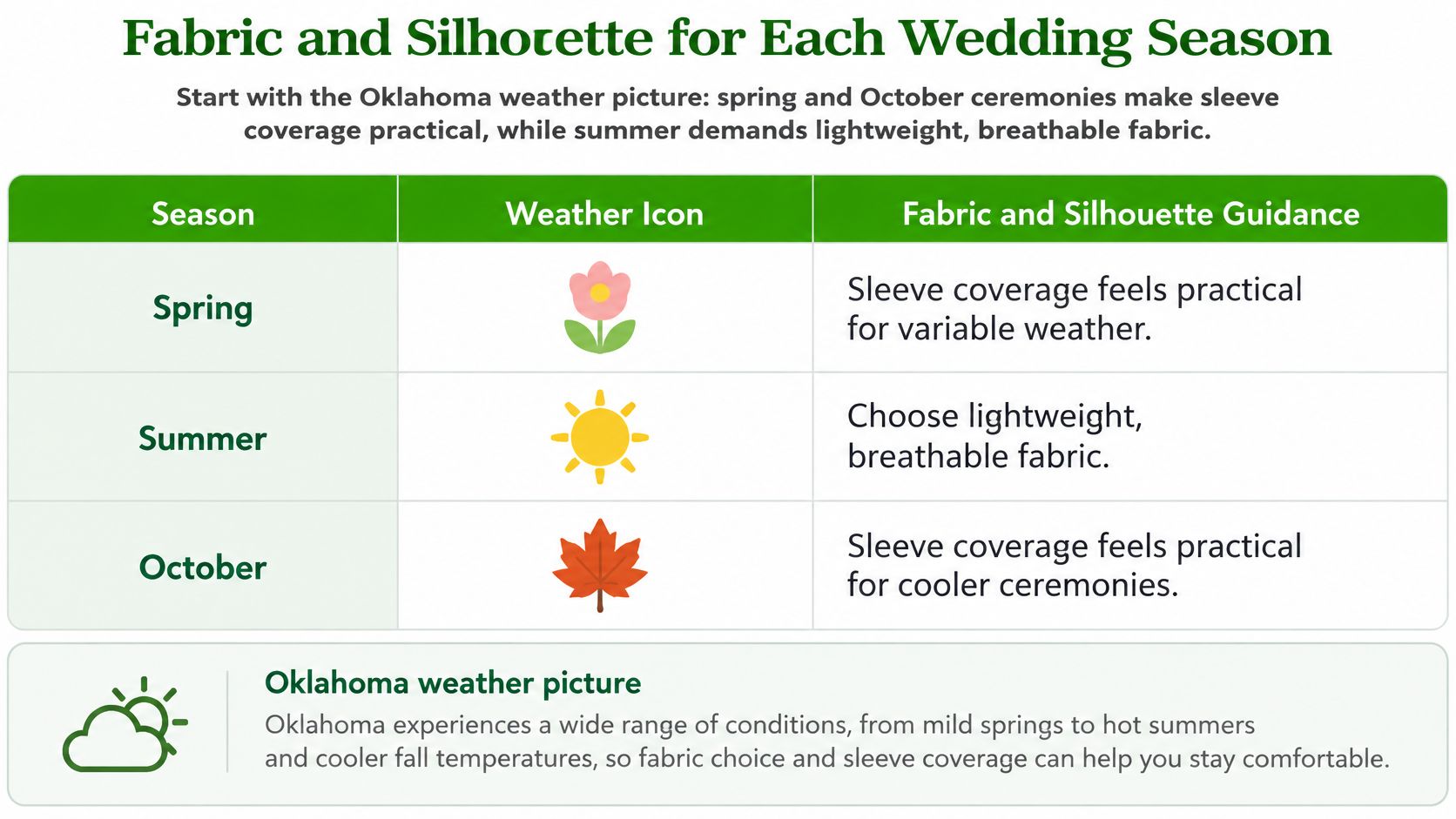
Sleeve coverage is especially practical for Oklahoma spring and October ceremonies, while summer demands lightweight, breathable fabric. A substantial long-sleeve jumpsuit may feel lovely outside in cooler weather and completely wrong during a sunlit summer ceremony.
The climate normals below come from an Oklahoma outdoor-wedding guide citing NOAA's Oklahoma City figures; rainy days use a threshold of at least 0.10 inch of rain. These are typical conditions, not a forecast for an individual wedding.
Oklahoma City average highs, rainy days and sleeve direction by month
| Month | Avg. high (°F) | Rainy days (0.10 in or more) | Sleeve and fabric direction |
|---|---|---|---|
| April | 71 | 4.7 | Three-quarter or long sleeve in crepe or light knit |
| May | 79 | 6.7 | Elbow or three-quarter sleeve in breathable crepe |
| June | 88 | 6.1 | Short or flutter sleeve in fluid, lightweight fabric |
| July | 93 | 4.3 | Cap or short sleeve in the lightest weight available |
| August | 92 | 4.9 | Cap or short sleeve in the lightest weight available |
| September | 84 | 5.1 | Elbow sleeve in crepe or fine jersey |
| October | 73 | 4.5 | Long sleeve in satin, crepe or velvet |
Match fabric weight to the actual exposure
For warm-weather weddings, choose fluid materials that don't stand stiffly away from the body or cling tightly through the thigh. Vogue Scandinavia's seasonal occasionwear guide identifies silk blends, fluid satin, georgette, chiffon and fine jersey as summer options, with mid-weight satin, crepe and light jacquard useful between seasons.
Fine jersey belongs at the more relaxed end of that selection. For a dressier invitation, light crepe provides a cleaner starting point, while chiffon sleeves over an opaque bodice can offer coverage without making the entire garment heavy.
Spring and fall are ideal for a straight or wide-leg jumpsuit in mid-weight crepe. Cooler evenings suit velvet or heavier crepe in jewel tones, while winter dressing can include wool or velvet with a structured jacket or blazer.
Choose for the time spent outdoors, not simply the month printed on the invitation.
The summer fabric guide provides another way to compare warm-weather materials before shopping. A rainy forecast, a shaded ceremony or a fully indoor reception should override the average, and a delicate floor-length hem needs particular care on wet ground.
Breathability and Movement Tests Before You Buy
A fiber label alone doesn't predict comfort. Thickness, porosity, air permeability and moisture handling all influence whether a covered arm feels comfortable or clammy, as described in textile-comfort research indexed by PubMed.
For warm indoor receptions, favor fine, breathable sleeve fabric with mechanical stretch or a small amount of elastomeric stretch. Denser construction makes more sense for a cool outdoor ceremony, provided the sleeve still bends easily.
Run the fitting-room movement check
- Raise an arm overhead. Watch the armhole and waist. A sleeve that pulls the whole jumpsuit upward may have insufficient ease or an unsuitable armhole shape.
- Reach forward. Extend both arms as though greeting another guest. Pulling across the upper back signals that the bodice needs more room.
- Bend the elbows repeatedly. Look for drag lines across the biceps and pressure behind the elbow. A sleeve must work in motion, not just while the arms hang straight.
- Sit down and cross the legs. Check the waist, torso and sleeve together. A jumpsuit that feels comfortable standing can pull through the shoulders when seated.
- Hold the fabric toward the light. Assess opacity, then inspect the garment against the body. Pale fabric and stretched seams deserve particular attention.
- Feel the inside seam. Run fingertips along the underarm and cuff. Scratchy trim, a stiff seam allowance or rough embellishment won't improve during dinner.
Separate softness from usable ease
A narrow satin sleeve can feel smooth against the hand and still restrict dancing. If the construction is dense and the upper arm is tight, a silky surface won't solve the problem.
Moderately eased crepe or a refined knit sleeve often allows more movement without obvious bagginess. The right amount of room appears as a smooth line when standing and comfortable flexibility when bending.
Fitting-room test: A suitable occasion jumpsuit should allow its wearer to greet someone, sit through dinner and reach a fastening without fighting the garment.
For online purchases, composition and construction descriptions provide a starting point. An in-store fitting provides the clearer answer, especially when comparing lined sleeves, fitted cuffs and different torso lengths.
Fit and Tailoring Fixes for Sleeves and Legs
Sleeves should be cut for movement. A clean formal line comes from proper ease at the upper arm and armhole, not from buying an oversized jumpsuit and hoping the extra fabric behaves.
The shoulder is the first checkpoint. If the seam falls well beyond the natural shoulder in a style intended to be fitted, the sleeve may twist or collapse, and correcting that can require rebuilding more of the garment than the alteration justifies.
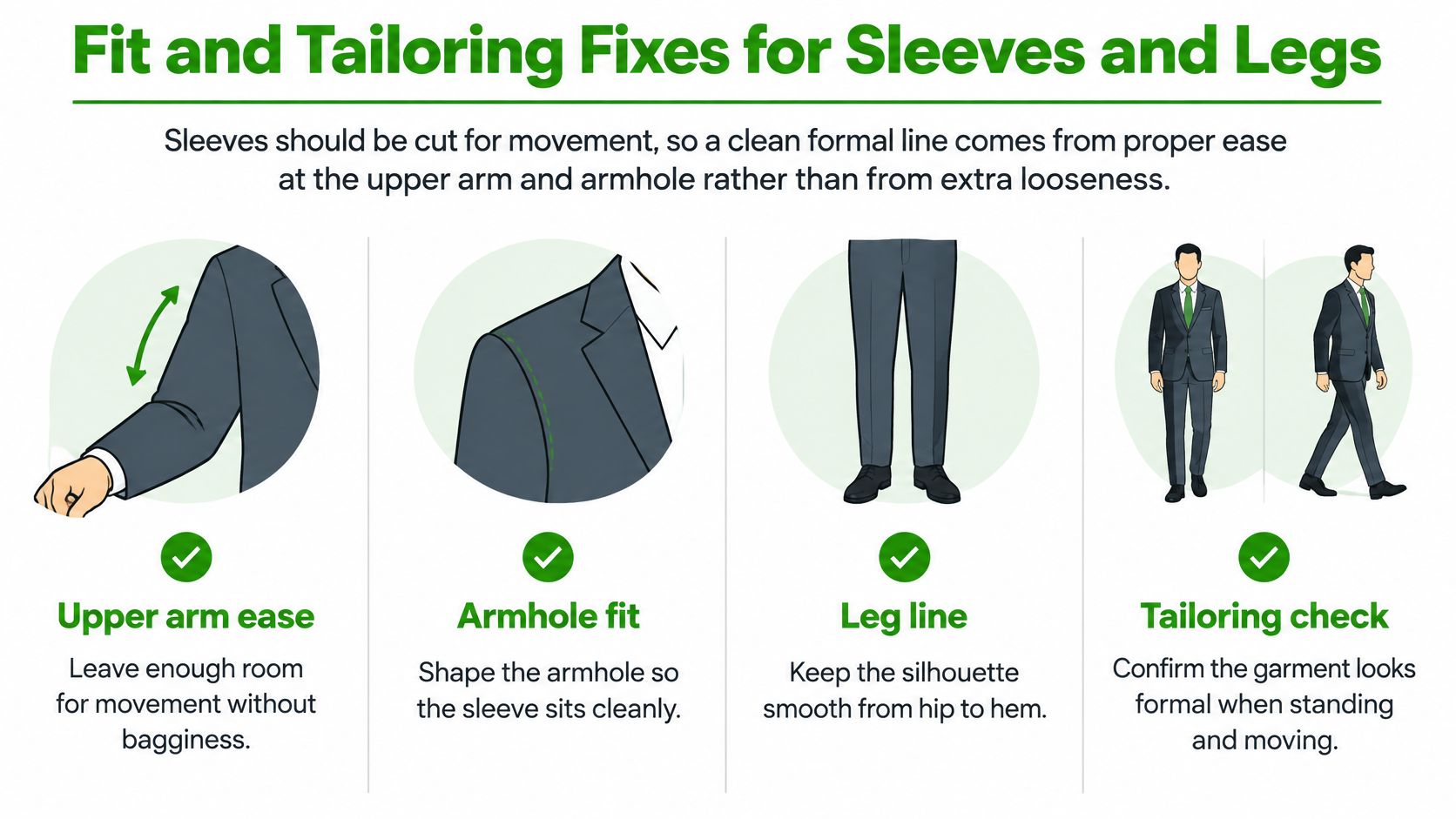
Fit problems, where they show and the tailoring fix
| Fit issue | Where it shows | Tailoring fix |
|---|---|---|
| Pulling across the bodice | Armhole and side seam | Check armhole depth; release side seams if allowance permits. Take in only genuine excess fabric, not tension |
| Tight through the upper arm | Sleeve opening | Let out the sleeve seam if fabric allowance permits, or choose a shaped sleeve |
| Gaping at the neckline | Neckline | Add a small tuck or stitch the neckline placket when construction allows |
| Shoulder seam sitting too far down | Shoulder seam | Limited fix; check position before buying |
| Sleeve too long at the wrist | Cuff | Shorten at the sleeve hem while preserving the original cuff shape where possible |
| Wide-leg hem dragging | Leg hem | Hem to the heel height of the shoe intended for the wedding |
Taking in a seam doesn't cure tightness. A tailor must distinguish excess fabric from strain before deciding whether to remove fabric, release a seam or recommend another size.
Neckline gaping is often more manageable than an incorrect shoulder, but embellishment, lining and seam placement affect the options. A small adjustment can help a well-fitting bodice; a neckline that shifts dramatically when seated needs a closer assessment.
Bring the actual wedding shoes
Wide-leg trousers need to be pinned while the intended shoes are on. A hem set for a high heel won't behave the same way with a flat sandal, and fabric dragging beneath the heel is both untidy and impractical.
Cuffs deserve the same attention. Shortening a plain sleeve is different from altering one with buttons, a slit or decorative trim, so the original finish should be discussed before cutting.
The women's tailoring guide offers useful preparation for those conversations. A tailor can refine a good fit, but a poorly positioned shoulder or an unsuitable sleeve cut is a reason to choose another jumpsuit.
Complete Wedding Guest Looks with Shoes and Accessories
Accessories should follow the formality established by the sleeves and fabric. A metallic clutch can finish a satin jumpsuit beautifully; it can't turn a casual cotton silhouette into black-tie attire.
The goal is a coherent outfit rather than a collection of dressy objects. Shoes should suit the ground, the bag should suit the occasion, and jewelry should leave the neckline and sleeves enough space to look intentional.
Three complete wedding guest looks by setting
| Setting | Jumpsuit direction | Accessories | Shoes |
|---|---|---|---|
| Black-tie evening | Full-length, deep jewel or metallic jumpsuit in satin or velvet with long tailored sleeves | Statement earrings, metallic clutch | Strappy heels or sleek sandals |
| Fall semi-formal | Crepe or velvet jumpsuit with elbow or three-quarter sleeves, midi or ankle length | Gold jewelry, structured bag, wrap | Heeled ankle boot or pointed pump |
| Spring or summer garden | Light crepe jumpsuit with flutter or cap sleeves in pastel or print, not white | Woven clutch, delicate jewelry | Block heel or flat sandal |
Black-tie evening with a clean, uninterrupted line
For an evening reception, start with a sapphire satin jumpsuit featuring a defined waist, full-length wide legs and long sleeves. Add statement earrings, a metallic clutch and slim evening sandals.
The satin supplies the evening finish, while the wide leg creates a fluid line. The clutch should be compact and clearly intended for an event rather than a workday; a large shoulder bag makes this outfit feel less resolved.
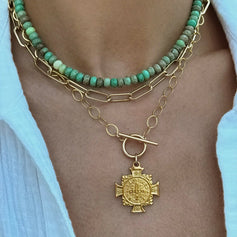
With a high neckline, earrings are usually sufficient. A necklace competing with the neckline and a bracelet crowded against a fitted cuff add detail without improving the silhouette.
A wrap can provide additional ceremony coverage without replacing the jumpsuit. Choose a fine evening wrap rather than a bulky everyday scarf, and check that it sits comfortably over the sleeve head.
Fall semi-formal with a softer finish
For a fall celebration that moves from a church ceremony to dinner, choose an ankle-length crepe jumpsuit with elbow or three-quarter sleeves. Burgundy, deep green or navy provides a useful base for gold jewelry, a small structured bag and a pointed pump.
Velvet makes an appealing alternative for a cooler reception. Keep the accessories quieter when the fabric already has depth and texture, and choose a smooth bag rather than adding another heavily textured surface.
A heeled ankle boot can work beneath a generous trouser leg when its shape is sleek and the invitation isn't especially formal. A pointed pump is the more versatile choice when the ceremony and reception call for different levels of polish.
The boot should disappear neatly beneath the hem, not create a bulky ridge at the ankle. A wrap adds warmth in a chilly church or air-conditioned room, and it can be removed without changing the outfit's basic proportions.
Spring or summer garden with practical footwear
For a daytime garden ceremony, a light crepe jumpsuit with flutter sleeves and a softly defined waist feels appropriately relaxed without looking casual. A muted floral print or clearly non-white pastel works with delicate jewelry, a woven clutch and a block heel.
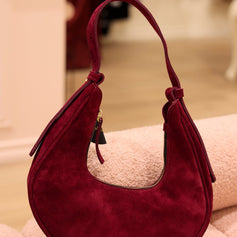
The woven bag belongs here because the setting and fabric are lighter. It would look misplaced against the satin black-tie outfit, but it complements the softer construction of a daytime jumpsuit.
A refined flat sandal is another sensible option when the hem is fitted for it. Choose a clean, dressy shape rather than a beach sandal, and avoid a delicate stiletto on soft lawn.
The wedding guest shoe guide helps narrow footwear by outfit and setting. Color deserves equal care: in YouGov's survey of U.S. adult citizens conducted November 6–8, 2023, 59% considered a guest wearing white inappropriate, so a pastel should read unmistakably as a color rather than bridal white.
Turn the outfit direction into a shopping shortlist
These looks are shopping directions, not claims that every illustrated silhouette is currently in stock. The boutique's online jumpsuit selection and an in-person appointment provide the appropriate next step for checking current pieces.
Its curated designer and contemporary assortment includes Vanessa Mooney and Lace the Label. The styling team can check current jumpsuit options from those lines when they suit the look, rather than treating a brand name as a substitute for the correct sleeve, fabric or fit.
Confirm the Dress Code and Book Your Fitting
Confirming the invitation or the couple's wedding website should happen before purchasing. That detail determines whether the shopper needs an evening satin silhouette, a structured crepe option or a lighter garden-wedding style.
An in-person fitting then answers what a photograph can't: how the sleeve feels against the arm, whether the torso pulls when seated and how the trouser hem falls over the intended shoe. Those checks are particularly useful for an unclear invitation or a warm-weather outdoor ceremony.
Make the appointment useful
- Bring the invitation details. The dress code, ceremony location and reception setting give the stylist a clear starting point.
- Bring the planned shoes. The team can assess the leg line and identify whether hemming is needed.
- Compare sleeve lengths. Trying an elbow sleeve beside a fitted long sleeve makes the difference in coverage and movement immediately apparent.
- Discuss the complete look. A bag, jewelry and suitable footwear should be considered alongside the jumpsuit, not left until departure day.
The Utica Square store in Tulsa and the downtown Jenks store offer opportunities to compare fit and fabric with personal styling help. Online shoppers can also browse the jumpsuit selection through the boutique's website and reach out about current options before deciding.
A fitting should end with a workable outfit, not merely an attractive garment. The right selection needs to suit the invitation, feel comfortable in motion and work with the accessories already chosen.
Cedar & Lily Clothier is a women's boutique retailer offering curated designer and contemporary clothing, including jumpsuits, rather than manufacturing its own line. For help choosing wedding guest jumpsuits with sleeves, the next step is a visit to Utica Square in Tulsa or downtown Jenks, or a message requesting a styling consultation after browsing the online selection.