


The invitation is saved, the date is getting close, and the search for prom outfit ideas has somehow turned into a dozen open tabs and no clear decision. A dress may look beautiful online, yet the actual questions remain: will it fit comfortably, suit the venue, work with the dress code, and stay polished after hours of photos, sitting, standing, and dancing?
The strongest prom look isn't just a dress. It's a complete outfit built around silhouette, fabric, proportion, and confidence. A floor-length gown can be right, but so can an embellished mini, an elegant midi, a fitted jumpsuit, or a coordinated set. Cedar & Lily Clothier offers curated contemporary and designer pieces, including selections from Vanessa Mooney and Lace the Label, for shoppers who want occasionwear with a more individual point of view.
Table of Contents
- The Evolution of Prom Fashion
- Choosing Your Silhouette
- Beyond the Traditional Gown
- Styling the Details
- Navigating Dress Codes and Fit
- Finding Your Perfect Look at Cedar & Lily
The Evolution of Prom Fashion
Prom has never been as fixed as it seems in old photographs. The modern high-school prom developed during the 1920s and 1930s, when students attended modest gymnasium events in their Sunday best. By the 1950s, tuxedos and long gowns had become standard, turning a school gathering into a recognizable formalwear tradition. The broader story reaches back to 19th-century university banquets and promenade-style gatherings, where etiquette and social polish mattered more than fashion spectacle. The cultural history of prom fashion shows how the occasion gradually moved from an elite academic ritual into a mass youth tradition.
A student in the 1970s might have chosen bell-bottoms, while 1980s formalwear embraced puffed sleeves and bold color. The 1990s brought a cleaner, more minimalist mood. Each era added another possibility rather than erasing the last one.
Personal style belongs in the picture
That history matters because today's prom doesn't require one approved silhouette. 2026 trend coverage places individuality at the center, with sequins, glitter, leopard prints, corset bodices, asymmetry, sheer overlays, and illusion details appearing alongside more restrained designs. Current prom style signals point toward personal expression rather than one dominant dress code within formalwear.
A student who loves clean lines doesn't need to wear a heavily embellished ball gown. Someone drawn to drama can choose sparkle, a sculptural neckline, or a rich color. Another shopper may feel most confident in trousers and a sharp jacket. The outfit should reflect how she wants to move through the room, not merely what appears most often in inspiration photos.
Stylist's rule: The right prom look should feel intentional from every angle, not merely impressive from the front.
A curated designer assortment becomes useful here. Instead of sorting through endless similar dresses, shoppers can compare fabrics, necklines, hems, and styling options that support a distinct personality. A look becomes memorable when the wearer feels at home in it.
Choosing Your Silhouette
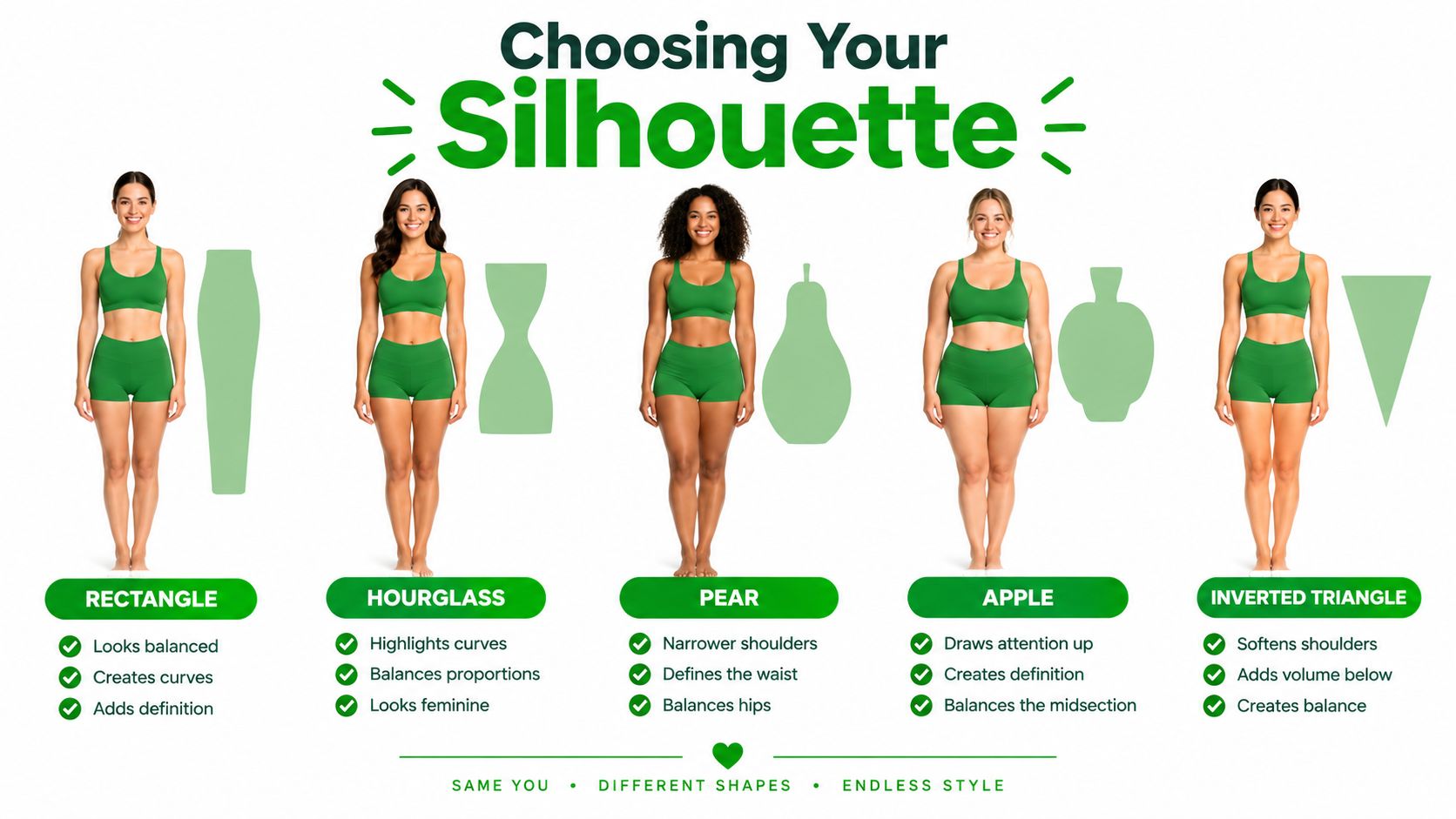
Hemline changes the entire mood of a prom outfit. It also affects movement, shoe visibility, photo proportions, and how formal the final look feels. The practical choice is not just mini versus maxi. It is a decision about venue, comfort, body proportion, and personal energy.
Maxi gowns create the classic entrance
A floor-length gown delivers the most traditional prom effect. Satin creates a clean, reflective surface that photographs beautifully, while chiffon brings softness and movement through the skirt. A fitted column feels sleek and modern. An A-line or fuller skirt gives the outfit more ceremony without requiring excessive decoration.
Maxi silhouettes suit shoppers who want a strong formal statement, especially when the venue feels upscale or the event policy specifically expects a gown. The fit must remain secure through the bodice and hem. A dress that drags, twists, or needs constant adjustment will undermine the elegance it creates.
For proportion, a defined waist can add shape to a straighter frame, while a softly draped skirt can skim rather than cling. The most flattering option isn't dictated by a body category. It comes from the relationship between the garment's structure and the wearer's comfort. Cedar & Lily's guide to dressing for different body types can help shoppers identify details worth testing in the fitting room.
Minis bring energy and freedom
An embellished mini offers a different kind of formal polish. Sequins, beading, metallic texture, or a dramatic sleeve can make a shorter hem feel event-ready rather than casual. The look works particularly well for a student who wants visible shoes, easy movement, and a playful silhouette.
A mini needs balance. If the dress has a strong shine or elaborate surface, delicate earrings and a simple clutch keep the outfit composed. If the shape is clean, a bolder shoe or sculptural jewelry can supply the focal point. The hem should also remain secure while sitting and dancing, with enough coverage for natural movement.
Midis sit in the modern middle
A midi is the most understated of the three, but it isn't less formal when the fabric and styling are deliberate. A satin midi with a refined neckline can look polished and contemporary. An embellished or structured midi creates a fashion-led option for someone who finds a full gown too traditional but wants more coverage than a mini.
| Silhouette | Best mood | Main advantage | Styling priority |
|---|---|---|---|
| Maxi | Dramatic and classic | Strongest formal impact | Check hem and bodice security |
| Midi | Refined and current | Elegant without feeling expected | Let the shoe show |
| Mini | Playful and energetic | Easy movement and visible footwear | Balance the shorter hem with polished accessories |
The final choice should support the entire evening. A shopper who plans to dance freely may prefer a mini or midi. Someone who wants a cinematic arrival may choose satin or chiffon in a maxi length. Each can look unmistakably formal when the fabric, fit, and accessories work together.
Beyond the Traditional Gown
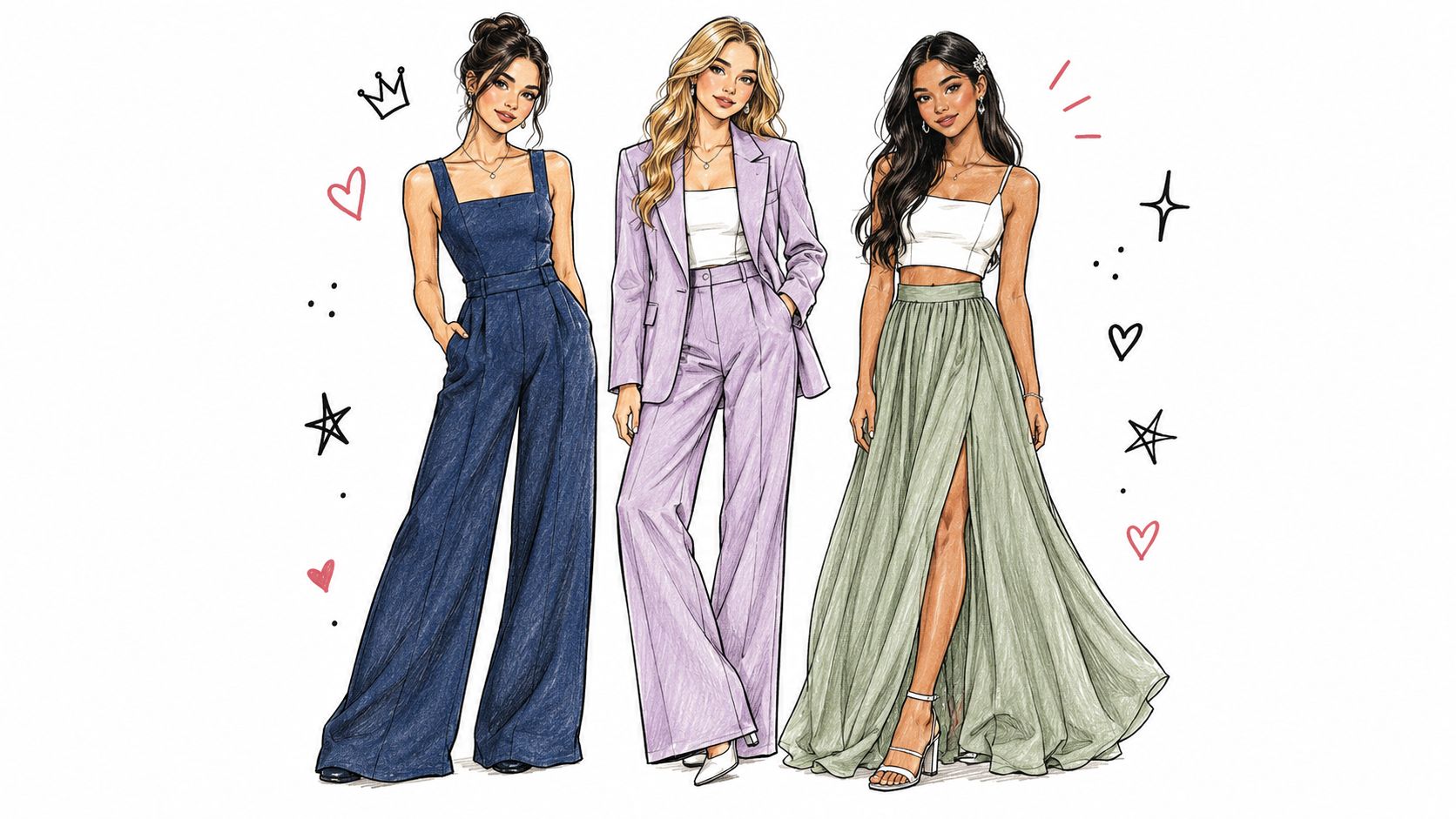
Prom doesn't require a traditional gown. Formalwear can come through tailoring, fabric, finish, and styling, not only through a sweeping skirt. Jumpsuits, pantsuits, and two-piece looks offer strong alternatives for shoppers who want to stand apart while remaining elegant in photographs and appropriate for the dance floor.
Make a jumpsuit read as formal
A jumpsuit becomes occasionwear when its line is clean and its fabric has enough presence. Look for a defined waist, wide or fluid trousers, a refined neckline, and details that catch light without looking like daytime embellishment. A satin finish, elegant drape, or fitted bodice can give the piece the same visual authority as a dress.
The accessories should reinforce the length of the garment. Pointed shoes or a sleek heel extend the leg line, while a compact clutch keeps the outfit neat. Jewelry can frame the neckline, but it shouldn't compete with a strong shoulder or dramatic sleeve. Shoppers considering this route can use Cedar & Lily's guide to evening jumpsuits for women as a starting point.
Use tailoring to create presence
A pantsuit has a sharper attitude. A matching jacket and trouser can look formal with a satin lapel, a fluid fabric, or a precise shoulder. Underneath, a delicate camisole or refined blouse softens the structure without making the outfit feel ordinary. The strongest version usually has one clear focal point, such as a vivid color, a sculptural jacket, or a statement earring.
A two-piece set offers flexibility. A coordinated top and skirt can create the effect of a dress while giving the wearer more control over proportion and movement. It also allows the pieces to be styled separately after prom, which can make the purchase more useful beyond one night.
Formalwear test: If the outfit looks polished under evening lighting, holds its shape while moving, and has accessories chosen with intention, it can read as formal without a gown.
Alternative silhouettes work especially well for students who don't want to adjust a full skirt throughout the night. They also give the wearer a more individual point of view. The goal isn't to reject tradition for its own sake. It's to choose a form that makes confidence easier.
Styling the Details
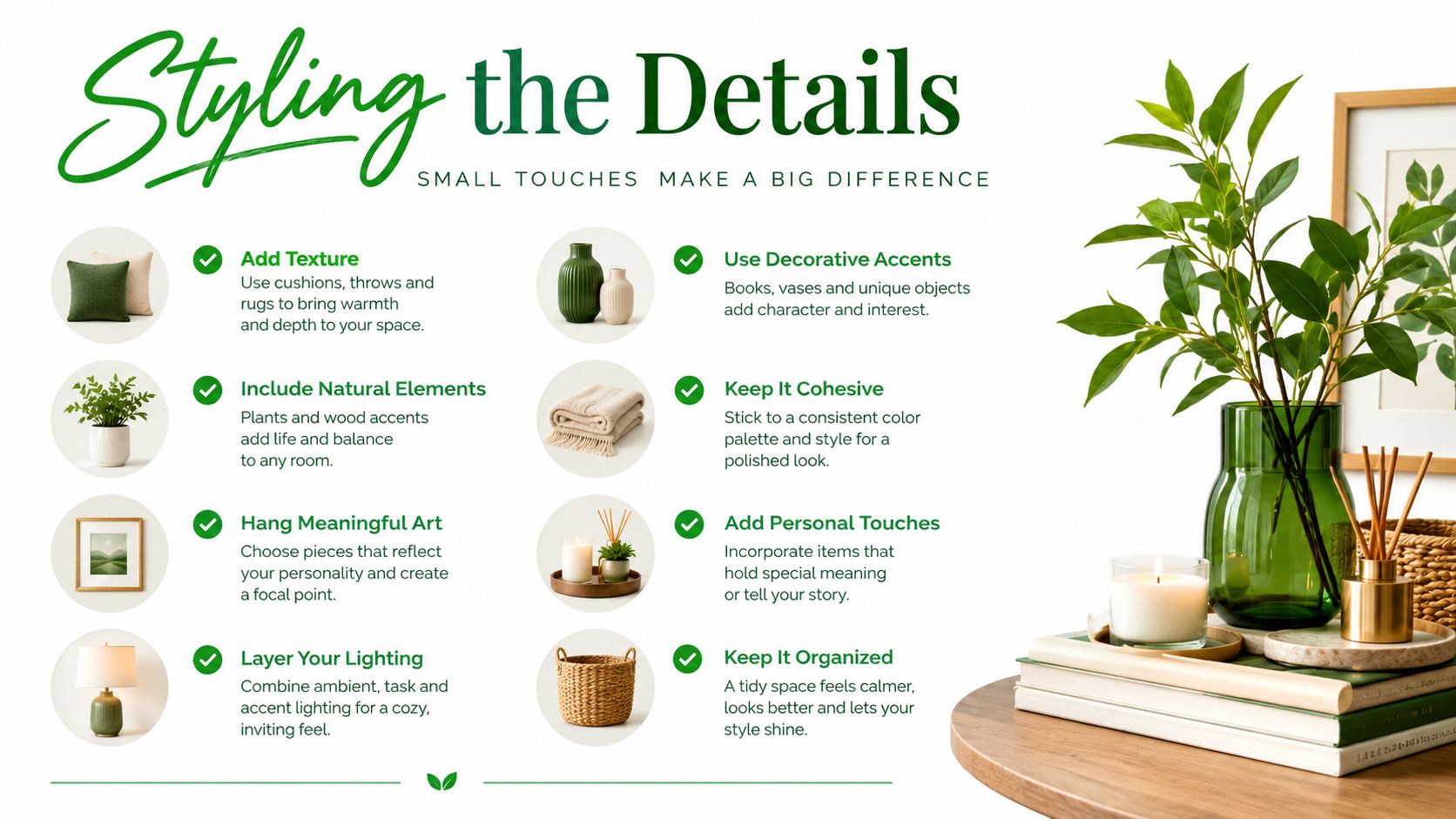
A prom outfit becomes complete through the details that sit around the main garment. Jewelry, bag, shoes, hair, and beauty choices should support the dress rather than compete with it. The most reliable approach is to identify the garment's strongest feature first, then let every accessory play a supporting role.
Match jewelry to the neckline
A V-neck often benefits from a fine pendant or a longer drop earring, while a high neckline may look cleaner with earrings alone. Strapless or sweetheart shapes leave room for a necklace, but a heavily beaded bodice may need only a polished stud. One statement piece is usually enough.
Fabric matters, too. Satin has a smooth, reflective finish, so brushed or polished metal can echo it without adding visual noise. Sequins and glitter already catch the light, making restrained jewelry the more refined choice. With matte crepe or a simple fitted set, textured earrings or a sculptural cuff can add dimension.
Build a practical accessory set
A small clutch should hold the essentials securely without becoming bulky. Metallic finishes can connect with jewelry, while a tonal bag keeps a vivid dress at the center. For shoes, comfort isn't a compromise. A stable heel, cushioned insole, or refined flat will serve better than a pair that looks perfect but becomes unwearable after the first round of dancing.
A complete styling appointment should answer these questions:
- Jewelry: Does it frame the neckline or fight it?
- Handbag: Can it hold essentials while staying visually quiet?
- Shoes: Can the wearer stand, sit, and dance comfortably?
- Beauty: Does the finish complement the outfit's level of polish?
For readers planning beauty services before a major event, pre-wedding facial rejuvenation at ProMD Health offers a resource for considering skin-focused preparation alongside makeup and hair planning. The same principle applies to prom: preparation should support confidence, not create last-minute uncertainty.
Cedar & Lily's guide to accessorizing an outfit provides further direction for combining jewelry, bags, and finishing pieces. The strongest event-ready bundle usually includes one focal accessory, one practical accessory, and footwear chosen for the actual length of the evening.
Navigating Dress Codes and Fit
A formal event still has rules. Prom policies commonly require formalwear such as a dress, party gown, formal gown, or suit, while casual clothing isn't considered appropriate. One published school policy allows strapless dresses when they fit appropriately, but does not allow tube tops or backless dresses extending below the lumbar spine. A detailed prom dress-code policy illustrates why checking the school's specific requirements matters before purchasing.
The safest interpretation is simple: choose a garment that looks formal, stays secure, and leaves no uncertainty about coverage. A dramatic neckline can still feel elegant when the bodice is properly constructed. A back detail can create impact without extending beyond the school's boundaries.
Fit decides whether the look works
Prom often lasts for several hours and includes dancing, sitting, standing, and photographs. Guidance on prom dress codes and practicality recommends options such as long dresses, trouser suits, and elegant blouses while emphasizing the need for comfort as well as elegance.
During a fitting, the shopper should move rather than stand in front of the mirror. Sit down, lift the arms, walk, turn, and check whether the waist shifts. The bodice should feel supportive without restricting breathing. Stretch can improve comfort, but it shouldn't replace correct sizing. Structured seams, lining, and adjustable details can make a significant difference in how confidently the garment stays in place.
Fit check: A dress is ready for prom when the wearer can move naturally without pulling, pinning, or thinking about the garment every few minutes.
Alterations can refine length, straps, or waist placement. Cedar & Lily's guide to tailoring for women can help shoppers understand which adjustments are realistic and why professional finishing improves the final line.
Because formalwear purchases are occasional rather than routine, fit guidance and easy size exchanges reduce decision risk. Grand View Research reports that 59% of consumers choose formal wear occasionally or rarely, making clear sizing information and supportive service especially valuable for shoppers who don't regularly buy event clothing. Formalwear consumer insights support a practical buying approach: resolve fit questions before the event, not after the package arrives.
Finding Your Perfect Look at Cedar & Lily
Prom shopping deserves more than a rushed decision based on a single photograph. Cedar & Lily Clothier is a women's boutique with Oklahoma storefronts at Utica Square in Tulsa and downtown Jenks, as well as an online store at cedarandlilyclothier.com. The assortment includes curated designer and contemporary brands such as Vanessa Mooney and Lace the Label, with dresses, jumpsuits, separates, jewelry, handbags, and other finishing pieces that can build a complete event look.
In-person styling removes guesswork
A boutique fitting lets shoppers feel satin, chiffon, embellishment, and stretch before committing. They can compare a midi with a maxi, test whether a strapless bodice stays secure, and see how a jacket changes the formality of a trouser look. The team can also suggest accessories that work with the chosen neckline and help identify whether tailoring would improve the fit.
That personal guidance matters because occasional formalwear shoppers often need a complete answer, not another list of possibilities. A visit can turn scattered inspiration into one considered outfit, including the garment, shoes, jewelry, and bag.
Online shopping still feels considered
Readers outside Oklahoma can browse the online collection and order with the same focus on polished, event-ready styling. Cedar & Lily offers fast shipping, free shipping on orders of $250 or more, complimentary gift packaging on orders over $100, handwritten notes, and easy size exchanges. These details make an online order feel more deliberate, especially when the shopper already knows the preferred silhouette and measurements.
The prom dress shopping guide can help organize the process before a store visit or online order. The most useful preparation includes knowing the school's dress code, considering the venue, identifying preferred movement and coverage, and allowing time for tailoring if needed.
Prom outfit ideas work best when they lead to a decision, not more scrolling. Whether the final choice is a satin maxi, embellished mini, modern midi, jumpsuit, pantsuit, or two-piece set, the outfit should fit the person wearing it and the night ahead.
Cedar & Lily Clothier offers curated prom dresses, jumpsuits, separates, jewelry, and handbags online and in person at Utica Square in Tulsa and downtown Jenks. Shop the Cedar & Lily Clothier collection or visit a boutique for hands-on fit guidance and styling help with a complete, event-ready look.