

The reception is winding down, the dance floor is filling, and the formal dress that looked perfect for dinner suddenly feels heavy, warm, or difficult to move in. After hours of photographs, conversation, and sitting, many women want a second look that still feels special but lets them eat, dance, and stay out comfortably.
A wedding after-party dress works best when it's treated as a functional part of the celebration, not just another pretty outfit. The right mini, slip dress, jumpsuit, or polished cocktail silhouette should preserve the event's formality while giving the wearer more freedom. Fit, fabric, venue, changing logistics, and future wear all matter as much as the photograph.
Table of Contents
- The Real Transition From Ceremony to After Party
- Choosing Between Mini, Slip, and Satin Silhouettes
- Fabric Choices That Keep You Comfortable
- Matching Your Dress to the Venue and Time
- The Movement and Fit Test You Should Never Skip
- Shopping Your Second Look With Confidence
The Real Transition From Ceremony to After Party
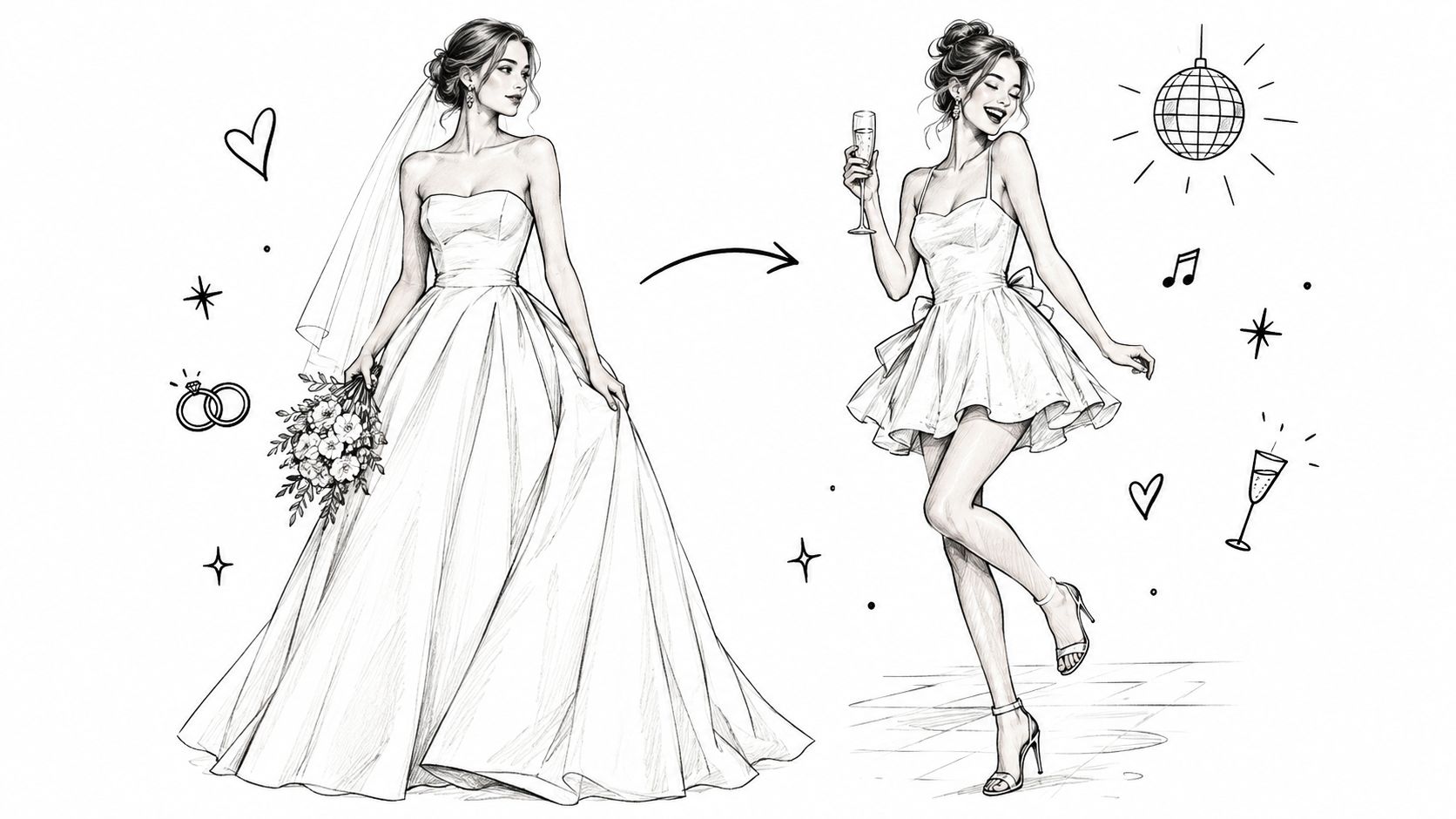
A bride may begin the evening in a structured gown that creates a dramatic entrance. Later, after dinner and formal photographs, that same gown can become difficult to manage. A sweeping skirt catches underfoot, a tight bodice makes sitting less comfortable, and layers that felt romantic earlier can feel warm once the room fills with guests.
That moment doesn't mean the ceremony dress was a mistake. It means the second part of the celebration has a different job. An after-party look needs to support movement, social ease, and prolonged wear while still looking intentional enough for photographs and a change of venue.
A second look can be a practical wardrobe choice
The modern second look belongs to a longer shift away from one highly formal bridal gown. In the United States, brides historically often wore their best existing dress rather than clothing made exclusively for the ceremony. Celebrations were frequently held at home and were comparatively informal, while earlier brides commonly continued wearing their wedding clothing because few could afford a white dress intended for one occasion. The Henry Ford's history of wedding dresses places today's reception outfit in that wider context.
Queen Victoria's white wedding dress for her 1840 marriage to Prince Albert helped popularize white bridalwear, but the formal white gown and elaborate wedding celebration became widespread gradually. By the 1950s, the formal white wedding had become a broadly established tradition. Changing into a shorter, lighter, or more versatile outfit isn't a rejection of tradition. It can be a return to the idea that wedding clothing should serve the celebration and remain useful afterward.
Plan the outfit around the night's demands
The strongest wedding after-party dresses answer practical questions before they answer trend questions:
- Movement: Can the wearer walk, sit, raise her arms, and dance without adjusting the dress?
- Temperature: Will the lining and fabric remain comfortable after hours indoors or outdoors?
- Formality: Does the outfit still respect the wedding's dress code?
- Changing: Is there a nearby private room, a helper, and a safe place for the first look?
- Future wear: Could the dress work for a gala, dinner, holiday event, or milestone celebration?
Cedar & Lily Clothier carries curated contemporary and designer pieces, including Vanessa Mooney and Lace the Label, that can suit a polished second look. The useful starting point isn't the shortest hem or most dramatic embellishment. It's a silhouette that can carry the bride through the actual second act of the evening.
Choosing Between Mini, Slip, and Satin Silhouettes
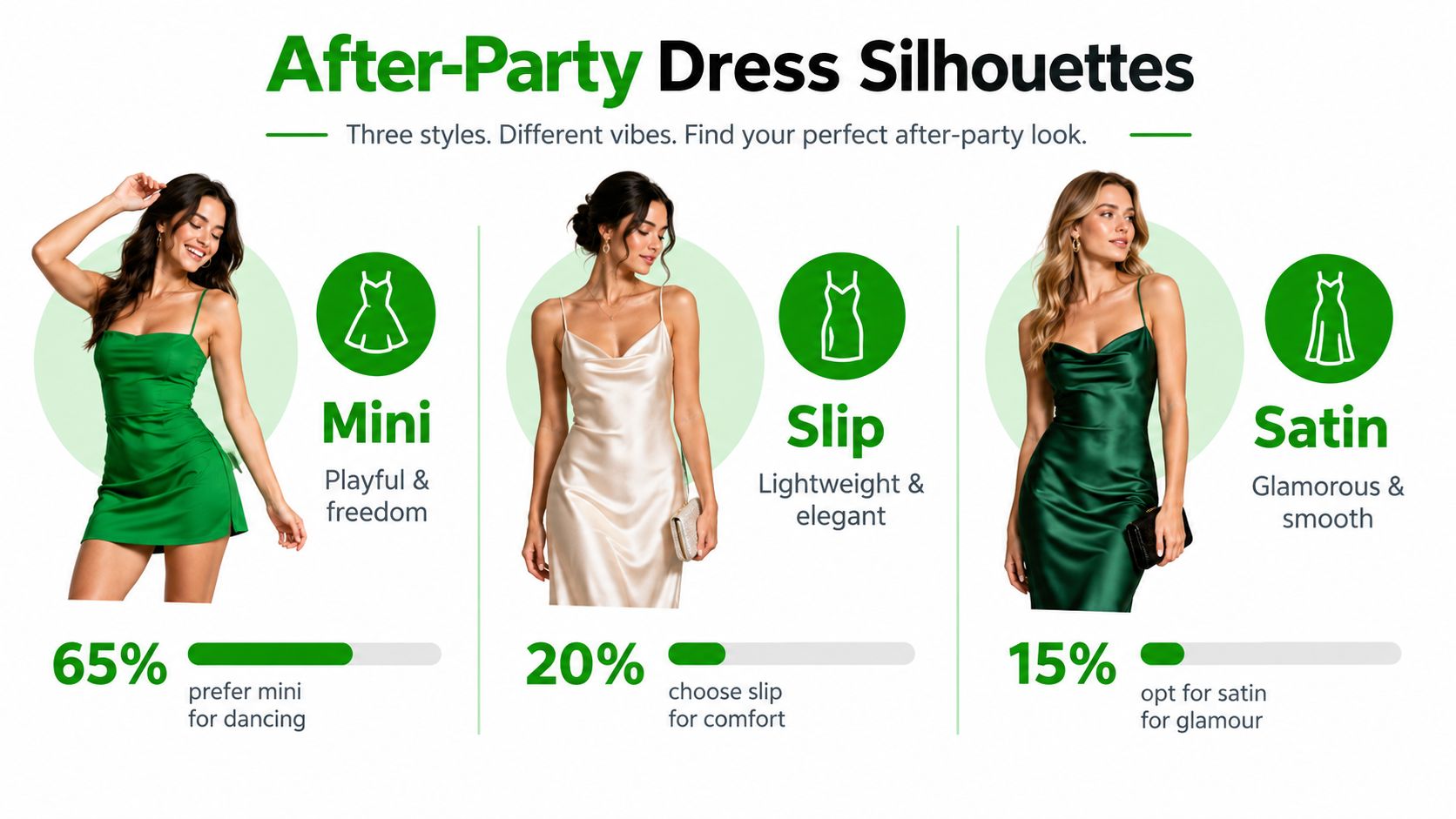
Three formats dominate the conversation around a second look, but they solve different problems. The mini dress maximizes freedom, the slip dress creates a light and elegant line, and the satin cocktail dress keeps the styling polished when the event remains formal.
Mini dresses for energy and freedom
A mini is the clearest choice for a bride who expects dancing, movement, and a late-night venue. The shorter hem reduces the chance of stepping on the skirt, while a secure neckline and thoughtful lining keep the dress from becoming something that needs constant attention.
A white or ivory mini can retain bridal character through texture, shine, sculptural details, or a clean architectural shape. A softer color or darker shade may be more useful after the wedding, especially when the dress can later move into cocktail dressing. The trade-off is formality. A very casual mini can feel disconnected from a black-tie reception, so fabric and accessories need to carry the occasion.
Slip dresses for a quiet, versatile line
A slip dress suits someone who wants to change without looking as if she has abandoned the elegance of the reception. Bias-cut fabric skims the body, while narrow straps and a clean neckline keep the look refined. A controlled drape can move beautifully, but the garment needs enough ease to prevent pulling across the bust or hips.
A silk-inspired or softly lustrous slip can work at a hotel bar, intimate lounge, or relaxed continuation of a formal evening. Pair it with delicate jewelry and a small bag when the dress should feel understated. For readers considering the broader appeal of this silhouette, Cedar & Lily's guide to the silk slip dress offers useful styling context.
Satin cocktail dresses for lasting polish
Satin describes a fabric finish rather than one specific shape. It can appear on a short dress, a midi, or a structured cocktail silhouette. The smooth surface catches light and keeps a shorter after-party look feeling refined, which makes it useful when the reception began with formal or black-tie expectations.
A satin cocktail dress works well for someone who prefers more coverage, a defined waist, or a shape that photographs with structure. It can be paired with refined earrings and a sleek heel for the wedding, then worn again for a gala or evening dinner. The concern is comfort. Heavy satin, an unbreathable lining, or a neckline that shifts can undermine an otherwise beautiful choice.
Styling rule: Relax the length or construction, but preserve the event's sophistication through fabric, finish, and accessories.
The same decision applies to other celebration dressing. Readers comparing polished silhouettes for different milestones may find picking a quince guest dress helpful when considering how formality, movement, and personal style work together.
Fabric Choices That Keep You Comfortable
A fiber name doesn't tell the whole story. Two dresses can both be called satin, crepe, silk, or polyester and perform very differently because of their weave, thickness, lining, construction, and finish.
Comfort during a long celebration depends on air permeability, water-vapor permeability, moisture transport, fabric thickness, and structure. Fiber composition, density, and construction all affect how a garment handles warmth and perspiration. A dress that feels smooth for a brief fitting may cling or feel damp after dinner and dancing.
Check the inside, not just the surface
The lining deserves as much attention as the outer fabric. A fully lined dress may hang beautifully, but a dense or non-breathable lining can trap heat. An unlined dress may feel lighter, yet it might become sheer, cling to the body, or lose its intended line.
Ask these questions before buying:
- Breathability: Does the lining allow comfortable vapor transfer?
- Moisture behavior: Does the fabric move moisture away from the skin or hold it against the body?
- Construction: Are seams smooth where the arms and waist move?
- Care: Can the dress be cleaned and pressed without complicated maintenance?
- Wrinkle recovery: Will the garment regain its shape after travel or storage?
Stretch can improve dynamic comfort, especially in a sheath or fitted cocktail dress, but it shouldn't disguise structural problems. A stretchy neckline that slides, a bust that compresses, or a waist that twists will still require attention throughout the evening.
Test a travel dress before packing
Wrinkle recovery matters for destination weddings and any outfit that must travel in a garment bag. Standardized textile testing includes methods for recovery angle and post-wrinkling appearance, while controlled wrinkling procedures assess how smoothly a fabric recovers. Those technical measures translate into a simple shopping question: how will the dress look after sitting, packing, and hanging?
Before traveling, sit in the dress for 20 to 30 minutes, compress it in a garment bag, and hang it to inspect recovery, following the practical test described by AATCC's testing standards. Dark or saturated colors also deserve attention to perspiration, water, laundering, and heat-press colorfastness.
For warmer celebrations, readers can also review Cedar & Lily's guide to the best fabrics for summer dresses. The most reliable purchase is the one whose fabric behavior matches the venue, weather, travel plans, and expected hours of wear.
Matching Your Dress to the Venue and Time
The invitation's dress code should set the starting point, even when the after-party feels more relaxed. A second look can be shorter or easier to move in, but it shouldn't ignore the tone established by the ceremony and reception.
For black-tie weddings, a floor-length formal gown remains the traditional expectation, particularly for evening events. A second dress should therefore retain sophistication through fabric and finish. A polished midi, elegant jumpsuit, or refined short dress can work only when the after-party is clearly less formal and the transition makes sense.
Use the original formality as an anchor
Black-tie optional allows either a floor-length gown or a refined midi. Formal attire can include a floor-length dress, polished cocktail dress, or sleek jumpsuit. Cocktail attire gives more room for a structured midi, an above-the-knee dress, a dressy jumpsuit, or dressy separates.
A practical progression looks like this:
- Formal ballroom: Choose satin, crepe, lace, or another refined finish. A midi, sleek short dress, or sophisticated jumpsuit can make movement easier without looking casual.
- Museum or library in winter: A knee-length or midi dress in satin, lace, or another substantial texture can feel seasonally appropriate.
- Rooftop, terrace, or hotel bar: A shorter hem and lighter construction may work, provided the accessories retain a dressed-up quality.
- Outdoor summer setting: Look for breathable construction, secure straps, and a hem that won't restrict walking across grass or uneven ground.
A representative after-party schedule places the formal reception's grand exit at 10:00 p.m., the couple's outfit change at 10:15 p.m., and the after-party at a new venue at 10:30 p.m., with dancing and drinks continuing from approximately 11:00 p.m. to 1:00 a.m. and goodbyes extending toward 2:00 a.m. The Wedding Planner's reception timeline illustrates why the second look needs to work across locations and prolonged wear.
Match accessories to the venue
Shoes can shift the same dress from formal to relaxed. A refined heel supports a ballroom setting, while a block heel or elegant low heel is more practical for extended dancing. A compact bag, secure jewelry, and a lightweight layer can make the outfit easier to manage without taking attention away from the dress.
A classic black dress in midi or floor length remains a dependable choice when the setting is unclear. For more guidance on interpreting invitations, Cedar & Lily's event dress codes resource can help narrow the level of formality. Readers preparing for a long celebration may also appreciate a considered pre event skincare routine alongside the outfit planning.
The Movement and Fit Test You Should Never Skip
A dress can look perfect on a hanger and fail within minutes of a real celebration. Ease, the space between the body and the garment, determines whether the wearer can sit, dance, reach, and breathe comfortably. Too little ease restricts movement. Too much can cause shifting, drag lines, and poor support.
The test should happen in the exact undergarments and shoes planned for the event. A different bra, shapewear garment, or heel height can change the neckline, waist, hem, and balance.
Run the complete movement check
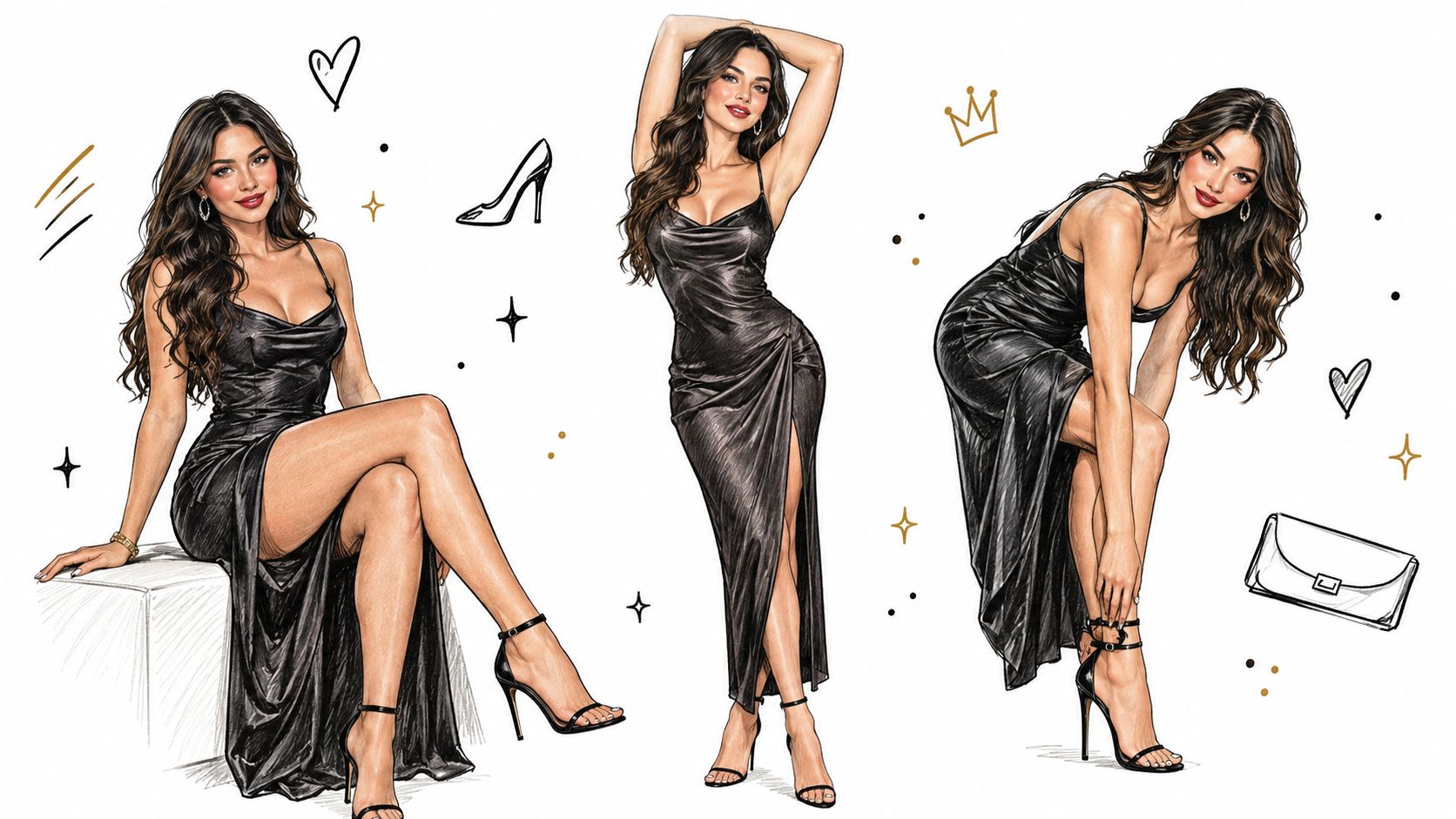
A useful fitting sequence is short but demanding:
- Sit: Use a dining chair and notice whether the waist cuts in, the skirt rides up, or the neckline opens.
- Raise both arms: Check the armholes and shoulder seams. If the dress lifts sharply or pulls across the bust, it may restrict dancing.
- Rotate: Turn the torso in both directions. The dress should maintain its line rather than twist around the waist.
- Bend: Test whether the back, bust, and skirt allow practical movement without exposing more than intended.
- Walk stairs: Check the hem clearance and whether the skirt catches at the knees.
- Dance: Make several larger movements, not just a careful step. The garment should remain secure when the body moves freely.
- Use the restroom: Zippers, closures, straps, and layers should be manageable without assistance that won't be available.
Pay particular attention to shoulder seams, armholes, waist compression, skirt openings, and neckline security. Stretch fabric can increase comfort, but it can't correct an overly tight bust or an unstable neckline.
Practical fitting standard: The intended silhouette should still look intentional after the wearer sits, walks, reaches, and dances.
Online shoppers should compare garment measurements with a well-fitting dress rather than relying only on the labeled size. In person, a stylist can observe whether the issue is the size, the cut, the length, or a small alteration. Cedar & Lily's guidance on tailoring for women is useful when a strong dress needs a precise finishing adjustment.
Shopping Your Second Look With Confidence
A second look earns its place when it can leave the wedding wardrobe. A polished mini may work for holiday celebrations, a slip dress can suit dinner and cocktail events, and a satin midi may return for galas or milestone occasions. That future use makes versatility a better measure of value than whether the dress is labeled strictly as bridal.
Industry reporting estimates that 19% of brides changed into a second reception outfit in 2025, or nearly one in five, though the figure is an industry estimate rather than a universal global benchmark. The same report identifies mini dresses, slip dresses, and jumpsuits as leading formats, and says second wedding dresses commonly cost 30% to 50% less than the primary ceremony gown, with an often-cited range of $100 to $1,500 and many shoppers spending below $500. These figures come from industry reporting on second wedding dresses, not a guarantee for every retailer or market.
The operational side matters too. A change requires a private room, garment storage, replacement undergarments if needed, accessories, shoes, assistance, and a realistic buffer. Recent planning guidance recommends pre-staging the complete outfit, assigning a helper, and rehearsing the change. One source describes a typical 15 to 20 minute window, so a second look makes the most sense when the venue has a nearby changing space and the reception has a clear phase transition.
Cedar & Lily Clothier offers curated designer and contemporary clothing through its online store and its Oklahoma storefronts at Utica Square in Tulsa and downtown Jenks. A boutique visit lets shoppers assess lining, drape, closure security, and mobility in person, while the best online boutiques for dresses guide provides additional online-shopping context.
Decision rule: Buy the second look when it solves a real comfort or schedule problem and remains useful after the wedding. Skip it when the original dress is comfortable, the events run continuously, or changing would mean missing moments that matter more.
Cedar & Lily Clothier carries occasion-ready dresses, including polished cocktail, midi, mini, and party silhouettes from curated contemporary and designer brands. Visit Cedar & Lily Clothier at Utica Square in Tulsa or downtown Jenks to test the fit and fabric in person, or reach out to the team for help choosing a wedding after-party dress that can move from dancing to future celebrations.