


You're dressed, but the outfit still feels unfinished. The midi dress is elegant, the blazer has excellent structure, and the shoes are right, yet the silhouette looks a little flat. A slim belt can provide the missing punctuation, defining the waist, balancing volume, and making separate pieces look deliberately styled rather than assembled on their own.
The appeal of thin belts for women lies in their restraint. A narrow strip of leather or woven material adds shape without taking over the outfit, which makes it useful for workwear, occasion dressing, and the polished everyday wardrobe available through Cedar & Lily Clothier. The right belt doesn't shout for attention. It makes the entire look feel more considered.
Table of Contents
- The Slim Silhouette That Sharpens Proportion
- Mastering the Perfect Fit and Width
- Elevating Workwear and Occasion Dresses
- Strategic Placement and Color Pairing
- Navigating Current Trends and Timeless Staples
- Experience Curated Styling at Cedar & Lily
The Slim Silhouette That Sharpens Proportion
A fluid midi dress can look polished on a hanger yet lose definition once worn. Without a waist detail, soft fabric may fall in one long line from shoulder to hem. A structured jacket can create the opposite problem, forming a broad block across the torso. Place a thin belt at the garment's natural waist, and both shapes gain a clear visual center.
For professional dressing, wear a narrow belt over a blazer when the jacket has extra ease or sits over a soft blouse. Position it where the blazer naturally closes, then check that the buckle rests at the center front. This adjustment turns relaxed tailoring into a shaped silhouette while preserving enough room for movement.
Stylist's rule: A slim belt should clarify the outfit's proportions, not compete with its strongest feature.
The accessory also has a long fashion history. Belts had re-entered women's fashion by the 1930s after losing favor in the 1920s, and skinny belts were already common by the 1940s. Vintage examples included widths as narrow as 3/8 inch, while many belts remained only about 1 1/2 inches wide. Fashion history traces the shift from functional fastening to a visible fashion statement.
That history explains the belt's range across different wardrobes. Use one to sharpen a cardigan, finish a coat, define a dress, or add polish to trousers. The placement should follow the garment: sit it at the waist over a dress, at the jacket's fastening point over tailoring, and slightly lower when the outfit is designed to rest on the hips. The body-shape dressing guide can help you assess where clothing creates balance without imposing rigid rules.
The most considered outfits give every element a job. Match the buckle's finish to nearby jewelry, repeat the belt color in a handbag, or use it to interrupt a monochromatic look. A slim belt earns its place through proportion, fit, and repeat wear, making it a practical accessory for moving from desk to dinner.
Mastering the Perfect Fit and Width
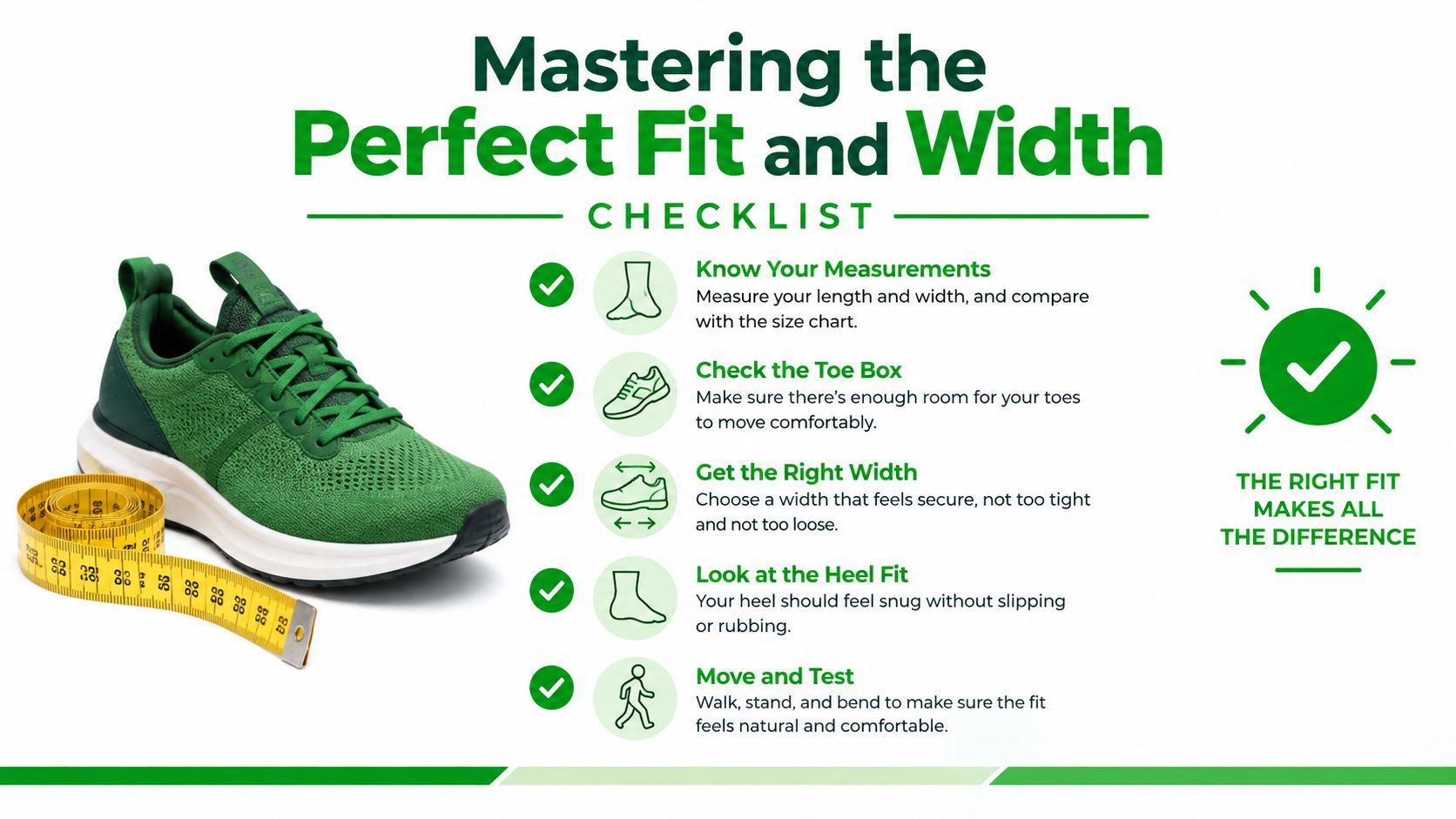
A belt can look beautiful on the hanger and still distort an outfit once worn. The usual causes are a misplaced belt line, an inaccurate measurement, or a width that overwhelms the garment. Fit depends on where the belt will be worn and what garment sits underneath it.
Measure the actual belt line
Measure over the clothing you plan to wear. Wrap a flexible tape around the precise point where the belt will sit, whether over a dress, around a blazer, at the waist of high-rise trousers, or lower on the hips. Keep the tape comfortably snug, then add about 2 inches to the measurement. Follow the practical instructions in this guide to choosing the right belt size before selecting a labeled size.
An existing belt provides a useful second check. Measure from the leather fold beside the buckle to the hole you use most often. Do not measure from one end of the belt to the other. The fold-to-hole distance shows the functional length and gives a more reliable fit comparison.
Choose width according to the outfit
Skinny-belt categories commonly include widths of 1.0 cm, about 3/8 inch, and 1.5 cm, about 5/8 inch. A dress usually benefits from a very slim 1–2 cm belt, which defines the waist without making soft fabric look rigid. Jackets, cardigans, and coats can carry a slightly broader thin belt, around 2–5 cm, because their structure balances the added visual weight.
Match width to the garment's scale. A delicate knit and narrow belt create a light, continuous line. A substantial coat needs more presence, or the belt may appear lost against the fabric.
Aim for the middle hole. It gives you room to loosen the belt after a meal, tighten it over a lighter layer, or adjust the position without relying on the strap's extreme ends.
Account for the buckle
The buckle adds non-functional length, commonly about 1.5–2.5 inches. It changes the belt's appearance even when the functional measurement is correct. Excess strap showing beyond the buckle can look untidy, especially over a fitted jacket.
Labeled sizes may be based on the distance from the buckle fold to the center hole and can include 65, 70, 75, 80, 85, 90, and 95 cm. The practical rule stays consistent: measure over the intended garment, then choose a belt whose center hole reaches that point.
Elevating Workwear and Occasion Dresses
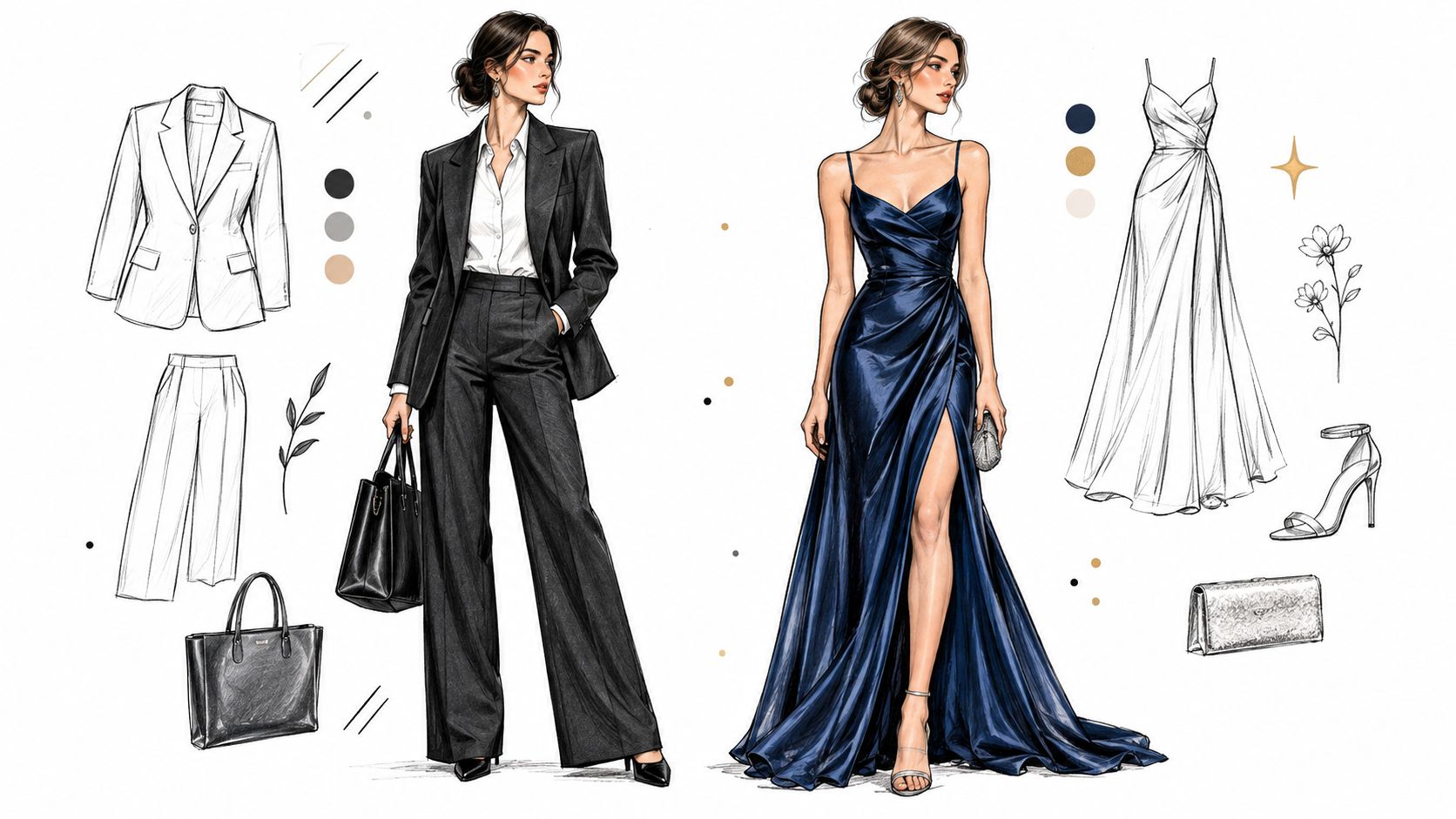
A blazer and a flowing dress need different belt strategies. The blazer benefits from structure and tension, while the dress needs definition without compression. Treating them identically is how a polished accessory starts to look forced.
With a blazer
A narrow leather belt over a blazer creates a clean, modern hourglass effect. It works best when the jacket has enough room to close or overlap naturally, and when the belt sits at the jacket's visual waist rather than automatically following the wearer's natural waist.
For a sharp office combination, pair a dark blazer with well-fitting trousers, a fine blouse, and a belt in a related dark tone. Keep the buckle refined and let the jewelry provide the shine. A silver buckle looks especially composed with cool-toned jewelry, while warmer metal harmonizes with gold earrings or a warm-toned handbag.
The belt should hold the jacket in place without pinching it. If the lapels buckle outward or the fabric gathers around the closure, the belt is too tight or the jacket is too soft for that treatment. In that case, wear the belt loosely over the open blazer or skip it and define the waist with a tucked blouse instead.
With an occasion dress
The Cara Cara Moulin Midi Dress calls for a lighter touch. Its elegant midi proportion benefits from waist emphasis, but a thick or heavily decorated belt could interrupt the dress's movement. A slim belt in smooth leather, a restrained metallic finish, or a close tonal shade keeps the fabric in command.
Texture creates the contrast. Smooth leather gives soft chiffon a polished edge, while a subtle woven finish can make a heavier crepe dress feel less formal. For evening, the buckle should relate to the dress's jewelry rather than compete with it.
The difference is visual intention. With workwear, the belt constructs authority and shape. With a dress, it preserves fluidity while giving the eye a clear point of focus. More guidance on proportion appears in this guide to wearing belts with dresses.
Strategic Placement and Color Pairing
Placement changes the proportion of an outfit more than the belt itself. A belt at the natural waist creates a defined center, a belt placed higher near the ribcage can make the legs appear longer, and a belt worn low on the hips creates a relaxed, elongated line. The correct position depends on the garment's seams, fabric, and intended shape.
Read the garment before choosing the position
A dress with a seam at the waist usually gives the clearest starting point. A belt placed directly over that seam looks intentional and keeps the fabric from twisting. On a loose shirt dress, moving the belt slightly higher can create a more elegant line, while a lower placement may suit a dropped waist or a relaxed weekend silhouette.
Blazers require more judgment. A belt at the narrowest point of the body can look refined, but placing it where the jacket naturally buttons often produces a more convincing result. The belt should follow the garment's construction rather than fight it.
Fit check: Sit down, raise both arms, and walk a few steps before deciding that the placement is right. A belt that only works while standing isn't a practical styling choice.
Use color to control emphasis
A dark narrow belt grounds a light or ethereal dress and gives pale fabric a stronger finish. A tonal belt, such as a soft brown over a warm neutral outfit, creates shape without a hard visual break. High contrast works when the rest of the outfit is quiet, but contrast becomes distracting when the dress already includes bold print, shine, or elaborate detailing.
Metallic finishes can bring evening energy to a simple slip dress, especially when the belt buckle repeats the tone of earrings or a bracelet. For daytime, matte leather and understated hardware usually look more versatile.
Color should also relate to the outfit's accessories. Matching the belt exactly to the shoes isn't required, but repeating the color family creates cohesion. The principles in this fashion color theory guide can help shoppers decide whether a belt should blend into the palette or become the deliberate accent.
Navigating Current Trends and Timeless Staples
Narrow belts are returning across fitted jackets, oversized shirts, cardigans, and pencil skirts. Recent editorial coverage reflects that broader return to waist definition, but the practical lesson is more useful than the trend itself: a slim belt gives relaxed proportions a clear finish. Choose placement according to the garment's structure, not just the narrowest point of your body.
Translate the trend into real outfits
For an oversized shirt, make a partial tuck into fitted trousers and position the belt at the trouser line. This keeps the shirt's ease while stopping the outfit from looking shapeless. With a cardigan, place the belt over a simple dress or tonal separates, then check that the closure sits flat without pulling the knit.
Multiple belts demand restraint. Two narrow belts can work over a long, uncomplicated shirt dress when they sit at deliberate, even intervals. Keep the rest of the outfit quiet. A bold print, dramatic sleeve, or ornate neckline already provides enough visual activity, so use one belt instead.
Invest in pieces that outlast the moment
A thin belt stays wearable when the clothing beneath it has a clean foundation. Well-fitted trousers, elegant blouses, simple midi dresses, and sharp blazers give the accessory room to define the outfit. Match the belt's length and hole position to the garment: trousers need a secure fit at the waistband, while a dress may require a longer belt or a fastening that sits comfortably over fabric.
Women's belts remain a substantial part of the accessories category, reinforcing the value of choosing one for repeated wear rather than a single trend-led outfit. Leather remains a dependable choice for workwear and everyday dressing, while slimmer woven or metallic styles can serve more specific seasonal or evening needs.
A well-chosen thin belt refreshes tailoring, dresses, and layered outfits without requiring a new wardrobe. Prioritize a width that suits the garment's belt loops, hardware that relates to your jewelry, and a fastening that stays comfortable while sitting and moving. That combination gives a current accessory lasting practical value.
Experience Curated Styling at Cedar & Lily
Online shopping can make belt selection convenient, but fit and proportion are easier to judge when the fabric, hardware, and color can be seen together. A belt that looks delicate online may feel too assertive over a particular dress, while a buckle that appears polished on a screen may sit differently against a blazer.
Cedar & Lily Clothier is a women's boutique with storefronts at Utica Square in Tulsa and downtown Jenks, as well as an online store at cedarandlilyclothier.com. The assortment includes curated designer and contemporary brands such as Vanessa Mooney and Lace the Label, alongside dresses, blazers, trousers, accessories, and occasion pieces. Cedar & Lily Clothier carries selected brands and categories, rather than manufacturing its own line.
What in-person styling solves
A boutique fitting can answer questions that a size chart can't:
- Placement: The team can test whether a belt works at the natural waist, above it, or lower on the hips.
- Proportion: A shopper can compare a very slim width with a slightly stronger narrow belt against the same dress or blazer.
- Coordination: Hardware, handbags, jewelry, and footwear can be assessed as one outfit.
- Comfort: Sitting, walking, and layering reveal whether the belt will work beyond the fitting-room mirror.
For shoppers preparing for a gala, updating workwear, or choosing a refined everyday piece, personal guidance reduces guesswork. Online customers can also explore a virtual styling session when an in-person visit isn't practical.
The best thin belt is the one that earns regular wear. It should fit the intended belt line, complement the garment's texture, and make the wearer feel finished without feeling restricted. Cedar & Lily's team can help shoppers evaluate those details in person at either Oklahoma location or through the online collection.
Cedar & Lily Clothier offers curated women's clothing and accessories for polished workwear, occasion dressing, and everyday styling, including pieces that pair naturally with thin belts. Visit Cedar & Lily Clothier online, or stop by Utica Square in Tulsa or downtown Jenks for fit guidance and personal styling help.