

Finding jeans online can turn into an afternoon of open tabs, conflicting size charts, and a return pile that never seems to shrink. One pair looks polished on the model, another promises stretch, and neither explains where the waistband will sit or whether the hem works with the shoes already in the closet.
For women shopping for boutique jeans, the smarter approach is to judge denim by fabric, rise, shape, and versatility, not by trend language alone. A well-chosen pair should move from the office to dinner, support an occasion-ready blouse, and still feel natural with a simple knit on the weekend.
Table of Contents
- Why Boutique Denim Is Worth the Investment
- What Truly Defines Boutique Jeans
- How to Read Denim Fabric and Weight
- The Blueprint for Finding Your Perfect Fit
- Meet the Harper Ankle Jean
- Shop Denim With Expert Local Help
Why Boutique Denim Is Worth the Investment
A crowded rack encourages quick decisions. A curated boutique encourages better questions: Does the rise sit comfortably? Does the denim recover after movement? Can the leg shape work with a blazer, a soft sweater, and a dressier top?
That difference matters because women's jeans are no longer a small wardrobe category. One market study values global women's jeans at USD 52.8 billion in 2025 and projects the category to reach USD 81.5 billion by 2035, with a projected 4.6% CAGR from 2026 to 2035. The same source identifies North America as 34.2% of global demand and Asia Pacific as the fastest-growing region at a projected 7.9% CAGR. The global women's jeans market overview shows why shoppers face so much choice, but abundance doesn't make every pair useful.
Fewer pairs, stronger outfits
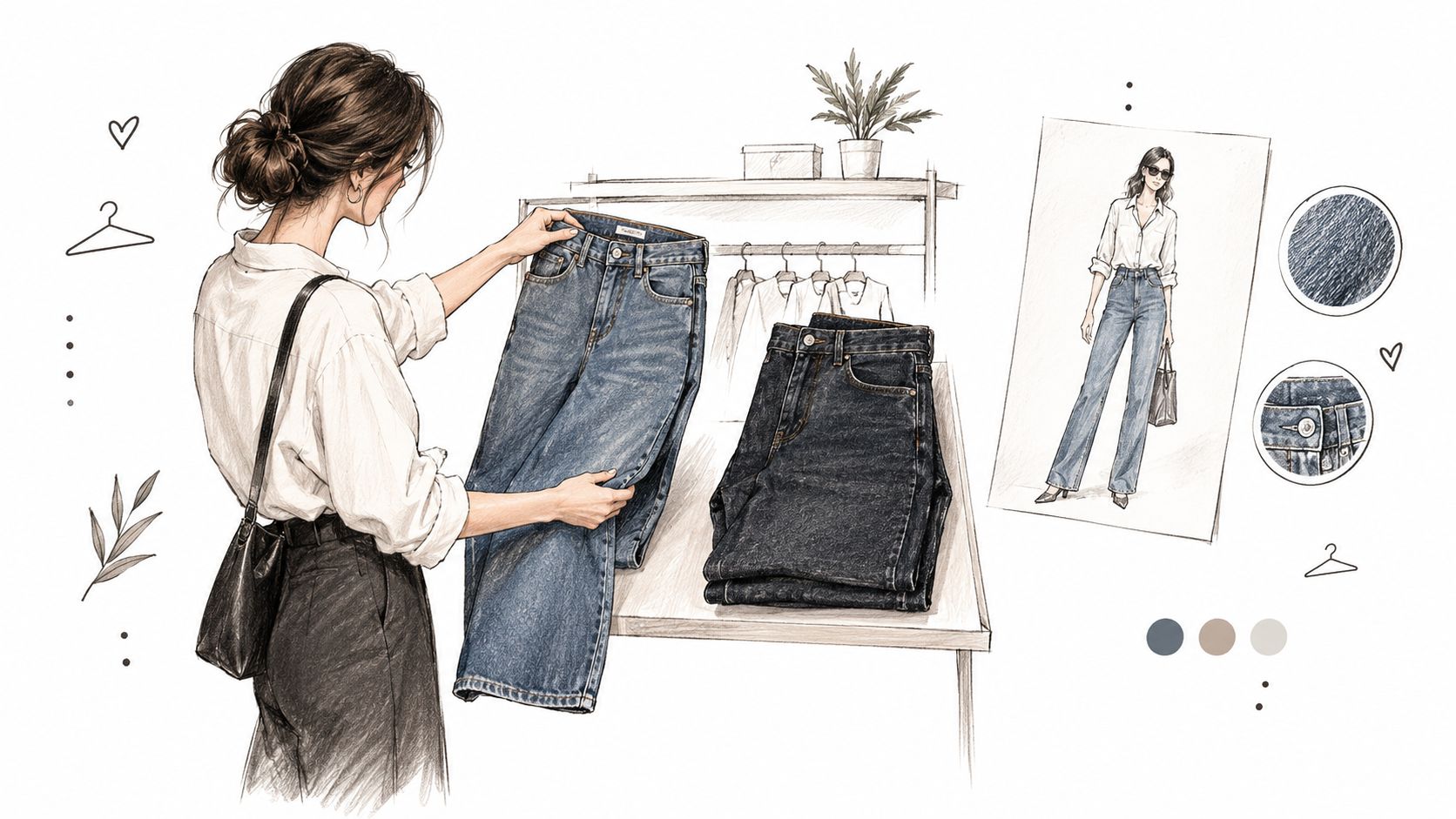
Boutique denim earns its place when it supports the rest of a wardrobe. A dark straight leg can anchor a work blouse and a fitted jacket. An ankle jean can sharpen a ballet flat or low heel. A clean, medium-wash pair can soften a structured blazer without looking too casual.
The goal isn't to collect every new silhouette. It's to choose jeans with intentional construction and repeat-wear potential. A curated selection also makes it easier to compare cuts side by side, rather than judging each pair against a different standard.
Practical rule: If a pair only works with one top or one shoe, it isn't a wardrobe foundation.
A well-made pair can also improve the appearance of an entire outfit. The right waistband creates a clean line under a tucked shirt, while a considered leg shape balances the volume of a sweater or an occasion top. That visual polish is often more valuable than a dramatic detail that will feel dated after a season.
The advantage of seeing denim in person
Online shopping is convenient, but product photography can't show every part of fit. It can't tell a shopper whether the waistband gaps, whether the fabric feels rigid, or whether the hem lands at the right point on the ankle.
The Oklahoma boutique experience adds practical value. Shoppers can compare fabric hand, sit and walk in a pair, and ask for styling help before committing. A thoughtful guide to quality women's clothing brands can also help distinguish a considered wardrobe purchase from a quick trend buy. For clients planning a polished wardrobe or documenting an important season, resources such as the Liz by Design Photography investment can reinforce the same principle: presentation begins with clothing that fits and feels intentional.
What Truly Defines Boutique Jeans
Boutique denim isn't automatically better because it hangs in a smaller store. Its value comes from selection, scrutiny, and styling context. A mass-market assortment may offer countless washes and silhouettes, but the shopper often has to do all the editing alone. A boutique assortment narrows the field to pieces that can earn a place beside polished separates, occasion clothing, and everyday staples.
That difference changes the shopping process. Instead of asking, “Which pair is newest?” a shopper can ask, “Which pair solves a wardrobe need?” The answer might be a clean dark wash for work, a light ankle cut for warmer months, or a refined straight leg that works with both loafers and heels.
Curation changes the decision
A strong boutique edit usually considers more than appearance. The buyer looks at the hand of the fabric, the balance of the rise and hip, the finish of the wash, and the way the garment fits into the broader assortment. That makes the jeans easier to style with pieces already in the closet.
The distinction is especially useful for women who want contemporary clothing without a wardrobe full of one-season statements. The contemporary luxury perspective is less about collecting labels and more about choosing garments with a clear point of view, refined finish, and enough flexibility for real life.
A side-by-side way to judge the difference
| Shopping approach | What the shopper often receives | What to look for instead |
|---|---|---|
| Large, trend-led assortment | Many silhouettes with limited context | A shape that supports existing tops and shoes |
| Generic size selection | One number treated as a complete fit answer | Waist, hip, rise, inseam, and fabric together |
| Fast visual decision | A pair chosen from a photograph | A pair tested while sitting, walking, and turning |
| Single-outfit thinking | Jeans matched to one current look | Denim that works for workwear, weekends, and occasions |
The boutique advantage becomes clearest when a shopper brings a specific need. Someone dressing for a creative office may want a polished straight leg with a tucked blouse. Someone building a travel wardrobe may need a comfortable stretch fabric that won't lose its shape. Someone attending dinners and events may prefer a dark, sleek cut that supports a silk blouse or statement jacket.
The staff's role is to help translate those needs into a useful choice. In person, the team can suggest a different rise, compare lengths, and show how the same jeans change with a heel, flat, boot, or sneaker. That service saves the shopper from buying attractive denim that never leaves the closet.
How to Read Denim Fabric and Weight
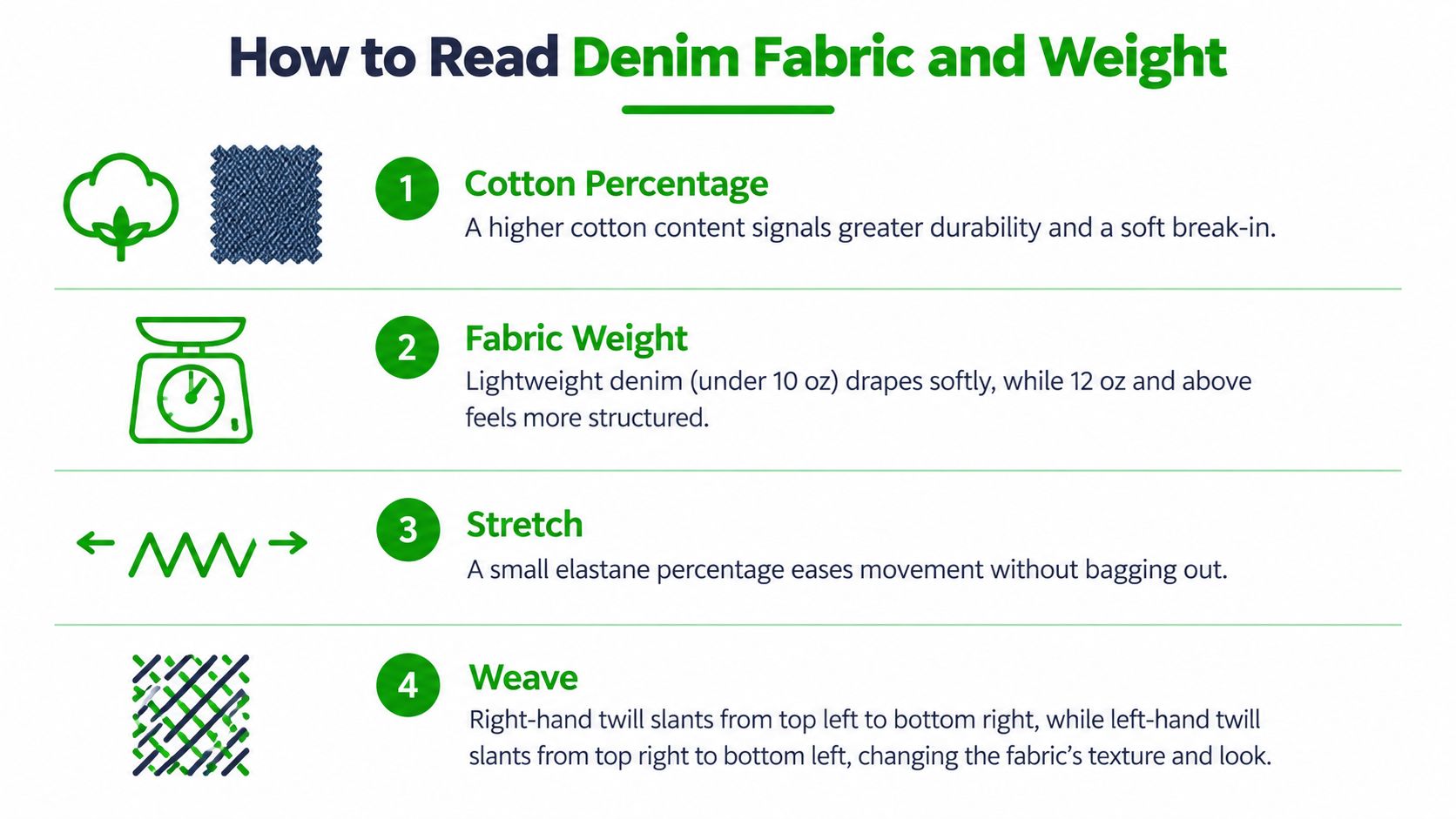
A pair can look polished on the hanger and disappoint after a full day of sitting, walking, and commuting. The fabric label helps predict that outcome. Stretch, weight, weave, and fiber content shape comfort, structure, recovery, and the way denim settles on the body. Use those details to choose jeans that suit the outfits you already wear, not just the silhouette that catches your eye.
A premium pair does not have to feel stiff or heavy. Match the fabric to the job. Soft everyday denim should move easily, while a structured pair can create a cleaner line beneath a jacket. The right decision depends on the outfit role and how much break-in you are willing to accept. Cedar & Lily's curated denim selection is easier to use when you apply that test first.
Start with stretch and recovery
For premium stretch denim, one to three percent elastane is a common working range. Cotton Incorporated's denim guidance explains why recovery matters. Fabric that stretches without returning to shape can begin to bag at the knees, seat, and waistband.
A small amount of elastane makes sitting, walking, and travel more comfortable. Excess softness can create a less defined appearance when the fabric lacks recovery. Test the jeans before buying. Bend one knee, sit down, stand up, and inspect the waistband and knees. Stretch should support movement, then return to its original shape instead of feeling loose by day's end.
Rigid denim offers a different advantage. It creates a clean, structured line and gradually adapts to the wearer, though the first wears can feel less forgiving. Choose the size with the cut and fabric together. Do not let the printed size make the decision for you.
Use weight to predict structure
Denim around 10 to 14 ounces offers a useful balance of durability and comfort. Heavier 15.5 to 16.2 ounce cloth creates a more structured drape, but it can feel less forgiving through a long day. Cotton Incorporated's denim guidance would duplicate the source already used above, so use its fabric-weight framework without repeating the citation.
Fabric around 13 ounces or more has enough structure to break in over time, while one to three percent elastane is commonly used when stretch is desired, according to the denim expertise guide. Choose crisp, weightier denim for a blazer, polished knit, or ankle boot. Choose lighter, softer cloth for frequent movement and relaxed outfits.
Read the label with the outfit in mind
Lightweight fabric can drape well and feel comfortable in warm weather. Mid-weight denim suits repeated wear when you want comfort with a defined shape. Heavier denim supports a more sculpted silhouette and holds its line beneath a jacket or coat.
The weave also changes texture and hand feel. Use the label to answer three practical questions:
- Movement: Will these jeans support long periods of sitting, walking, or travel?
- Structure: Should the leg hold a crisp line beneath a blazer or coat?
- Recovery: Will the fabric return to shape after bending and sitting?
Rise affects how that fabric feels in wear. For a closer look, the mid-rise denim guide explains how rise relates to comfort and proportion. The strongest purchase combines the label's information with an actual try-on, then checks whether the fabric supports your wardrobe, schedule, and preferred shoes.
The Blueprint for Finding Your Perfect Fit
Fit starts with measurements, not the size printed on the tag. Women's jeans commonly use a contoured waist-to-hip ratio of about 0.75 to 0.80, with front rises around 9 to 11 inches, and numerical sizing can still hide meaningful waistband differences. The expert guide to women's and men's jeans explains why the waist often causes more frustration than the leg opening.
Choose rise by comfort and proportion
Front rise is the distance from the crotch seam to the top of the waistband. It determines where the jeans sit, how much coverage they provide, and how a tucked top will fall.
A widely used modern fit benchmark places mid-rise styles at about 8 to 9 inches and high-rise styles at about 9 to 10 inches in front rise. This fit guidance for women's jeans gives shoppers a concrete starting point, but the correct rise still depends on torso length, waist shape, and personal comfort.
Mid-rise can feel balanced when a shopper wants coverage without a waistband reaching too high. High-rise can create a longer-looking leg line and provide a secure base for a tucked shirt. Neither is automatically more flattering. The correct choice sits smoothly without digging in, slipping down, or creating a gap at the back.
Measure the places that affect the purchase
A natural waist measurement and a full hip measurement provide more useful information than a familiar size. The shopper should compare those measurements with the product chart, then check the inseam and fabric composition before ordering.
Inseam determines where the hem lands. A cropped or ankle style can look deliberate with flats and sneakers, while a longer leg may work better with a heel or boot. The same cut can look entirely different when the hem stops at the ankle bone instead of pooling over the shoe.
Let leg shape support the outfit
Straight-leg denim is the dependable choice for a polished wardrobe because it balances fitted and relaxed tops. A slim leg works neatly beneath a longer blazer or fitted coat. Bootcut and subtle flare shapes can complement a heel, while a wider leg needs enough length and styling structure to avoid looking accidental.
Fit check: The waistband should feel secure when standing, remain comfortable when seated, and recover after movement without pulling across the hip.
Brand sizing varies, so shoppers should trust measurements, product descriptions, verified reviews, and return policies instead of a single numeric size. This women's jeans fit guidance reinforces that practical approach. For a more detailed decision process, the guide to choosing the perfect jeans can help shoppers prepare before trying on.
Meet the Harper Ankle Jean
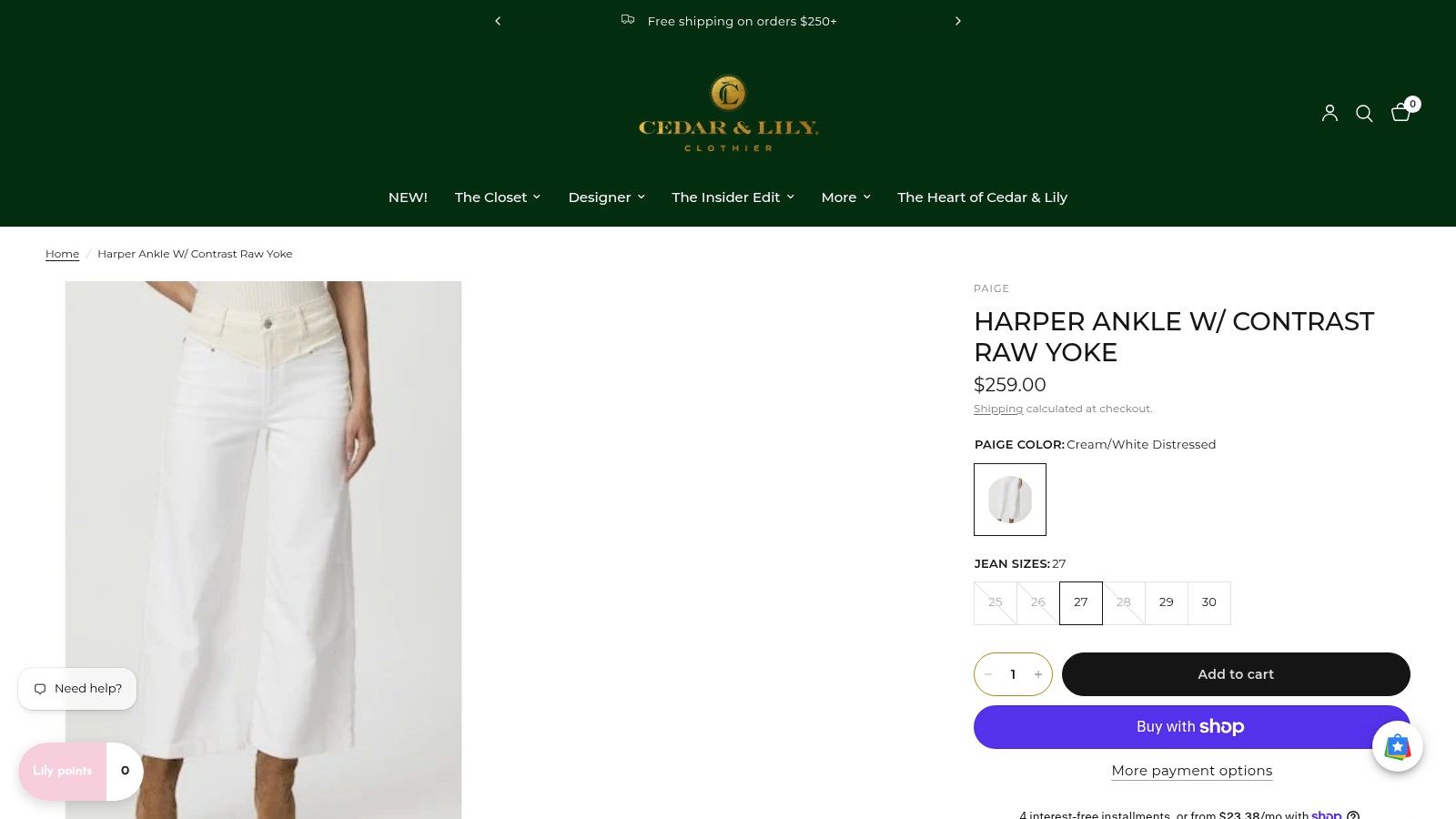
The Paige Harper Ankle Jean demonstrates why a polished pair doesn't need a dramatic silhouette. Its contrast raw yoke design adds visual interest at the back while keeping the overall shape clean enough for everyday styling. The ankle length creates a finished line with flats, sneakers, or a refined heel.
Why this pair earns repeat wear
A distinctive yoke can make a simple top feel more considered, but the detail doesn't dictate the entire outfit. A tucked ivory blouse keeps the contrast visible and creates a polished lunch or work look. A soft sweater adds ease for the weekend, while a fitted jacket gives the ankle cut a sharper occasion-ready finish.
The shorter hem also makes footwear part of the styling rather than an afterthought. Loafers create a polished effect, low heels add refinement, and clean sneakers keep the look relaxed without making the jeans feel careless. The pair can support a small wardrobe because the styling changes around it.
How to assess the fit
The shopper should check three areas first. The waistband should sit smoothly without pulling, the yoke should lie flat across the back, and the ankle should end at a deliberate point rather than bunching over the shoe. A seated try-on matters because a comfortable standing fit can feel restrictive once the hips bend.
The Paige Harper Ankle Jean product page gives shoppers a direct way to view the style before visiting. In person, the team can help compare the ankle length with different shoes and suggest tops that balance the contrast detail.
Three polished outfit directions
- Workday: Pair the jeans with a tucked blouse, a fitted blazer, and loafers. Keep jewelry refined so the raw yoke remains the deliberate detail.
- Dinner: Add an elegant sleeveless top, a compact handbag, and a low heel. The ankle length keeps the outfit clean and lets the shoe show.
- Weekend: Use a soft knit, a simple belt, and sleek sneakers. The contrast yoke supplies enough personality without requiring a trend-heavy top.
The result is contemporary without being difficult. That's the standard worth applying to boutique jeans for women: a visible point of view, a practical shape, and enough flexibility to support the rest of the wardrobe.
Shop Denim With Expert Local Help
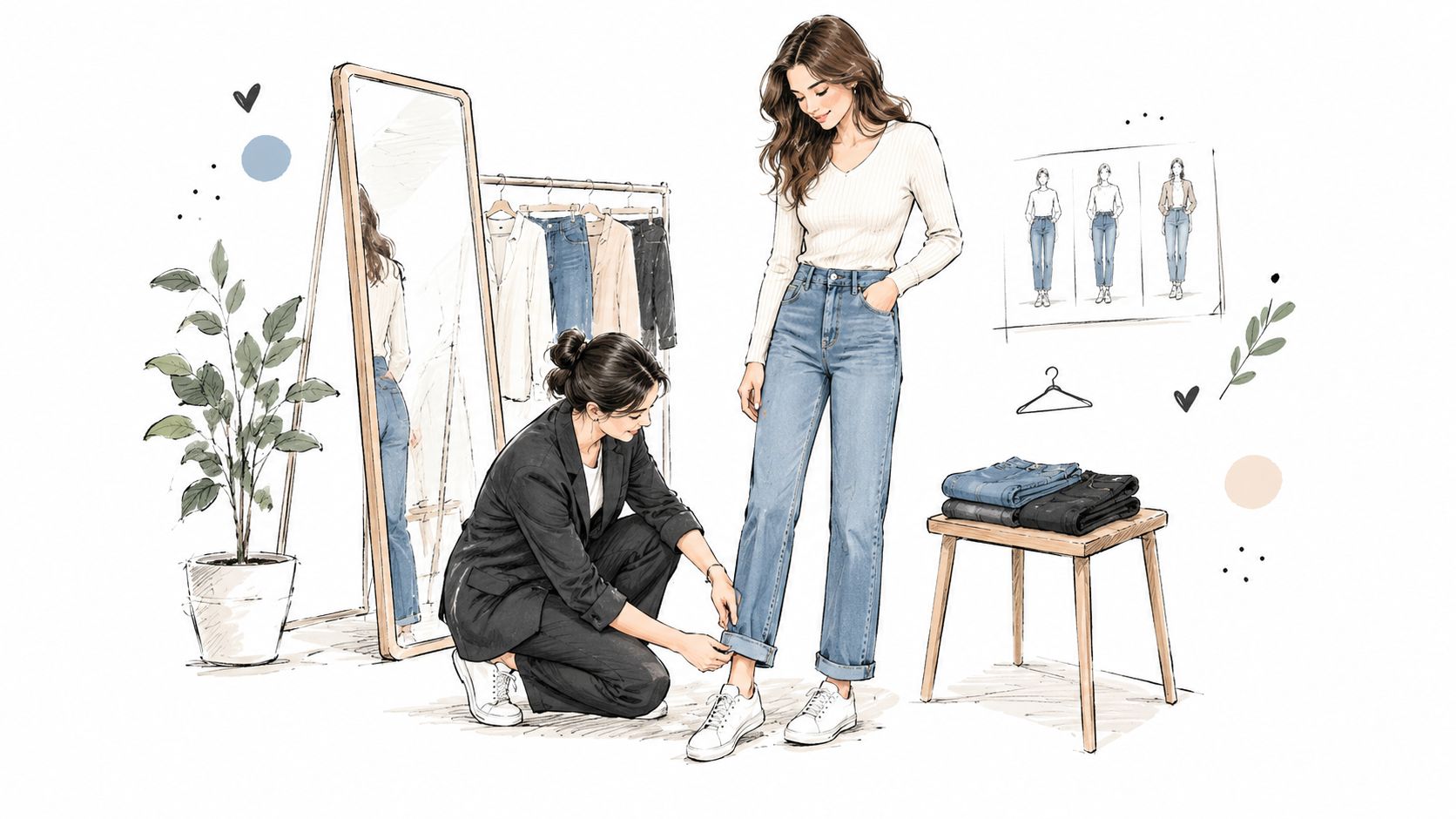
Online research can narrow the choices, but a fitting room answers the questions that a screen can't. Shoppers can feel whether denim is soft or structured, compare rises on the same body, and see how an ankle hem works with the shoes they normally wear.
The local boutique has two Oklahoma storefronts, one at Utica Square in Tulsa and another in downtown Jenks. Both locations let shoppers assess fit and fabric in person and ask the styling team for practical guidance. That matters when two pairs appear similar online but sit very differently at the waist or hip.
Bring the whole outfit question
A fitting appointment becomes more useful when the shopper knows how the jeans need to perform. The team can help evaluate:
- Workwear: Whether the rise and leg shape sit neatly under a blouse or blazer.
- Everyday dressing: Whether the fabric offers comfortable movement without losing its line.
- Occasion styling: Whether the wash and hem support heels, dressier tops, and statement accessories.
- Proportion: Whether the inseam balances the shopper's height and preferred footwear.
A shopper can also bring a favorite jacket or describe a frequently worn shoe. That context helps the team recommend denim that fits the actual closet instead of an imaginary one. Online orders remain useful, but shoppers should use measurements, product descriptions, fit reviews, and return policies carefully when an in-person visit isn't possible.
The store also carries a curated mix of contemporary and designer clothing, including Vanessa Mooney and Lace the Label, so denim can be styled alongside the rest of an outfit rather than chosen in isolation. The focus stays on polished workwear, everyday pieces, and event-ready combinations that feel personal instead of overly coordinated.
Cedar & Lily Clothier offers curated women's denim and styling guidance for shoppers who want a polished fit that works beyond one season. Visit Cedar & Lily Clothier online, or stop by the Utica Square Tulsa or downtown Jenks boutique to try on the collection and get personal help choosing the right rise, fabric, and leg shape.