


A well-organized closet is more than just a tidy space; it's the foundation of effortless style. It transforms your daily routine from a frantic search into a moment of calm inspiration, allowing you to appreciate the beautiful pieces you've invested in. For the modern woman who balances a demanding career with a vibrant social life, an organized wardrobe is a strategic tool. It saves precious time, reduces decision fatigue, and ensures your favorite Cedar & Lily designer pieces are always ready for any occasion, from the boardroom to a weekend gala.
To truly transform your closet space from cluttered to curated, exploring practical and actionable wardrobe design ideas is a crucial first step, as the physical layout can significantly enhance any organizational system you choose. This guide moves beyond generic tips to offer a comprehensive roundup of the ten best ways to organize your closet, each tailored to a luxury wardrobe and a dynamic lifestyle.
You will learn specific, actionable systems designed to create clarity and function. Whether you want to implement the minimalist efficiency of a capsule wardrobe, the visual appeal of color-blocking, or a strategic seasonal rotation, these methods will help you build a space that truly reflects your sophisticated taste and simplifies your life.
1. The KonMari Method (Spark Joy Approach)
Pioneered by organizing consultant Marie Kondo, the KonMari Method offers a mindful approach to decluttering that transcends simple tidiness. Instead of organizing by location, you gather all items from one category (like clothing) into a single pile. You then handle each piece individually and ask a simple yet powerful question: "Does this spark joy?"
This philosophy shifts the focus from what to discard to what to keep, ensuring your closet becomes a curated space filled with only items you truly love and value. It is one of the best ways to organize your closet because it builds an intentional, high-quality collection, perfectly aligning with the Cedar & Lily ethos of owning fewer, better things.
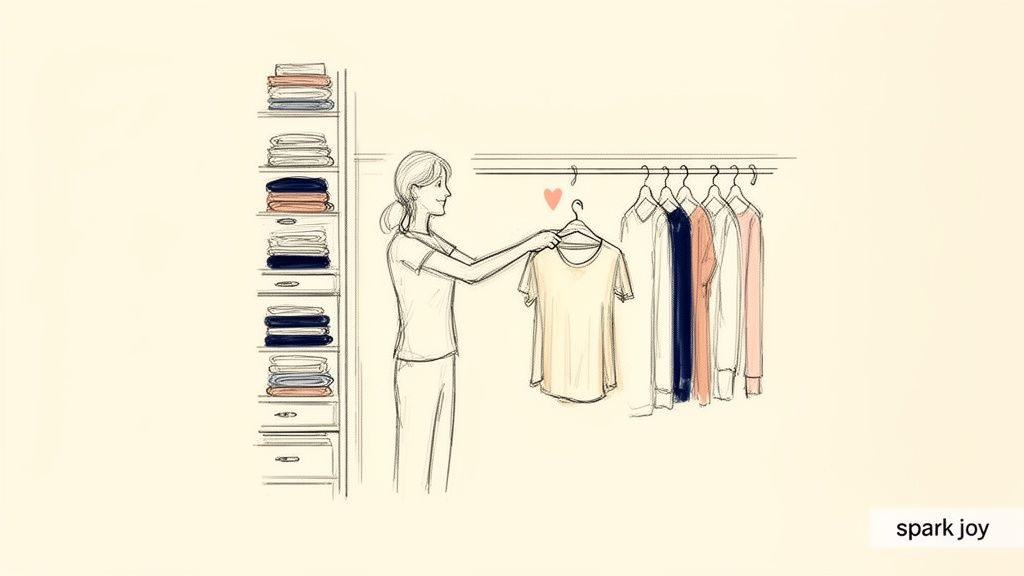
How to Implement the "Spark Joy" Philosophy
To apply this method effectively, follow these actionable steps:
- Commit to the Process: Set aside a full weekend. The goal is to complete the entire clothing category in one go to maintain momentum and see transformative results quickly.
- Start with Confidence Builders: Begin with less sentimental items like socks or activewear before moving on to cherished dresses or heirloom accessories. This builds your decision-making "muscle."
- Trust Your Instincts: The "spark joy" feeling is a visceral, immediate reaction. Avoid overthinking; your gut will tell you which pieces truly resonate with your personal style.
- Express Gratitude: Before letting an item go, thank it for its service. This small ritual fosters a healthier relationship with your belongings and eases the process of letting go.
By curating a collection of joyful pieces, you can easily identify gaps and build a more functional wardrobe. Discover some foundational pieces that often spark joy in our guide to essential wardrobe staples for women.
2. Color-Blocking Organization
Transform your closet into a visually stunning and highly functional space with the color-blocking method. This technique, favored by professional stylists and high-end boutiques, involves arranging your garments by color, creating a harmonious and aesthetically pleasing flow. By grouping like colors together, you can instantly see your inventory, making it effortless to build cohesive outfits and identify what you truly need.
This system is one of the best ways to organize your closet because it streamlines the daily process of getting dressed. Instead of searching for a specific item, your eye is naturally drawn to the right color family, saving you precious time. It turns your closet from a collection of clothes into an inspiring, boutique-like experience, perfectly reflecting the curated elegance of Cedar & Lily.
How to Implement Color-Blocking
Follow these practical steps to create a beautifully coordinated closet:
- Establish a Color Flow: Decide on an order that feels intuitive to you. Common approaches include a rainbow sequence (ROYGBIV), moving from light to dark shades, or separating warm tones from cool tones.
- Group Neutrals First: Pull out your foundational colors like black, white, grey, and beige. Grouping these separately makes assembling classic, versatile outfits incredibly simple.
- Organize Within Each Color: For a truly streamlined system, arrange items within each color block by type. Place all your red blouses together, followed by red dresses, then red blazers, and so on.
- Use Consistent Hangers: Elevate the visual impact by using matching hangers. This small detail creates a clean, uniform look that makes the colors pop and reduces visual clutter.
To truly elevate your closet's visual appeal and enhance its functionality, mastering how to color coordinate your closet for ultimate organization can be a powerful strategy.
3. The Capsule Wardrobe System
The capsule wardrobe system is a minimalist approach focused on curating a limited collection of essential, high-quality items that can be mixed and matched effortlessly. Typically consisting of 30 to 50 versatile pieces per season, this method eliminates clutter and decision fatigue by prioritizing timeless staples over fleeting trends.
This philosophy is one of the best ways to organize your closet because it forces intentionality, ensuring every piece serves a purpose and reflects your personal style. For the modern professional or discerning fashion enthusiast, it streamlines daily routines while maintaining a polished, sophisticated look. This aligns perfectly with the Cedar & Lily commitment to quality over quantity, building a wardrobe that is both functional and beautiful.
How to Implement the Capsule Wardrobe System
To build your own curated collection, follow these actionable steps:
- Establish Your Foundation: Start with 3-5 neutral base colors that flatter you, such as navy, black, white, or beige. These will form the core of your wardrobe.
- Select Versatile Pieces: Choose items that can transition seamlessly from the office to an evening out. A classic silk blouse or well-tailored trousers are perfect examples.
- Incorporate Accent Pieces: Add 2-3 statement items per season, like a bold patterned skirt or a vibrant cashmere sweater, to inject personality and prevent monotony.
- Invest in Quality Basics: Focus on acquiring well-fitting, beautifully crafted staples. High-quality pieces not only last longer but also elevate your entire look.
By creating a focused and functional collection, you can simplify your life without sacrificing style. Dive deeper into this method with our complete guide on how to build a capsule wardrobe.
4. The Hanger Method (Reverse Hanger Tracking)
For those who prefer a data-driven approach over an emotional one, the Hanger Method is a brilliantly simple yet effective technique. This system objectively reveals what you actually wear by turning your closet into a visual usage tracker. You simply hang all your clothes with the hangers facing backward. After you wear an item, return it to the closet with the hanger facing the correct way.
Over time, this creates a clear visual distinction between your wardrobe workhorses and your unworn pieces. This is one of the best ways to organize your closet because it removes guesswork and sentimentality, allowing you to make pragmatic decisions based on real-life habits. It's an excellent audit tool for professionals identifying gaps in their work wardrobe or for collectors assessing the utility of their luxury pieces.
How to Implement the Reverse Hanger Method
Follow these steps to gather objective data on your wardrobe:
- Standardize Your Hangers: Begin by using a single style of hanger, like slim velvet ones. This makes the backward-facing hangers instantly noticeable and creates a more cohesive look.
- Set a Clear Timeframe: Commit to a 3 to 6-month tracking period. Note the start date and the season to account for weather-appropriate clothing. Exclude special occasion wear, like a formal gown, from the initial test.
- Turn and Wear: Hang every single clothing item with the hanger hook facing out (backward). When you wear an item and return it to the closet, hang it back the normal way (hook facing in).
- Analyze the Results: After your chosen timeframe, any hangers still facing backward represent items you haven't worn. This data empowers you to declutter with confidence, knowing you are letting go of pieces that don't serve your current lifestyle.
Use these insights to inform your next visit to Cedar & Lily. If you notice you're not wearing your blouses, perhaps it’s time to explore a new silhouette or find a statement piece that truly excites you.
5. Category-Based Organization (Konmari Adjacent)
While related to the KonMari philosophy, category-based organization focuses on the logistical arrangement of your wardrobe rather than the initial decluttering. This method involves grouping all similar items together: all your dresses in one section, all blazers in another, and so on. This approach mirrors how high-end boutiques like Cedar & Lily merchandise their collections for maximum clarity and impact.
This system is one of the best ways to organize your closet because it creates an intuitive visual inventory. You can instantly see how many sweaters or blouses you own, preventing duplicate purchases and making it effortless to find exactly what you need. It transforms your closet from a random assortment of clothes into a streamlined, shoppable space.
How to Implement a Category-Based System
To effectively organize by category, follow these simple yet powerful steps:
- Define Your Core Categories: Start by creating distinct sections for your main clothing types. Common categories include dresses, tops, bottoms, blazers, outerwear, and accessories.
- Use Visual Dividers: Employ closet rod dividers or shelf separators to create clear physical boundaries between each category. This prevents items from mingling and maintains order.
- Sub-Organize Within Categories: For even greater clarity, arrange items within each group by color, sleeve length, or occasion. For example, group your work blouses separately from your casual tops.
- Conduct Quarterly Inventories: At the start of each season, quickly review each category. This helps you identify gaps, such as needing a new lightweight jacket for spring, and spot items that are no longer serving you.
By arranging your wardrobe this way, you can easily pull together outfits and manage your collection like a professional stylist. Explore our curated collections of dresses to see how we apply this principle in our boutique.
6. Zone-Based Organization (Occasion & Lifestyle Zones)
Popularized by professional organizers catering to busy executives, this method treats your closet like a well-planned city, with distinct zones for different aspects of your life. Instead of grouping by item type alone, you divide your wardrobe based on occasion and lifestyle needs: a work zone, a weekend zone, and a special event zone. This pragmatic approach streamlines your daily routine by making outfit selection incredibly efficient and context-specific.
This is one of the best ways to organize your closet for multifaceted individuals, such as professionals balancing a corporate career with an active social calendar. It ensures you can quickly pull together an appropriate outfit for any event, from a boardroom meeting to a weekend brunch, without sifting through your entire collection. It simplifies dressing by aligning your closet layout directly with your daily life.
How to Implement Lifestyle Zoning
To create functional and intuitive zones, follow these clear steps:
- Define Your Core Zones: Identify the primary categories of your life. Common zones include Work (blazers, trousers), Weekend (denim, casual tops), and Evening/Event (dresses, formalwear).
- Assign Physical Space: Dedicate a specific rod, shelf, or section of your closet to each zone. Place your most frequently accessed zone, like workwear, at eye level for maximum convenience.
- Use Visual Cues: Employ closet dividers or color-coded hangers to visually separate each zone. This makes it easy to see where one lifestyle category ends and another begins.
- Curate Your Event Zone: Ensure your special occasion section is always ready with stunning, timeless pieces. It’s the perfect place to house elegant selections for galas, weddings, and formal events.
By organizing your closet into lifestyle zones, you create a system that works as hard as you do. For inspiration on building out your event section, explore Cedar & Lily’s curated Formal & Event Dresses collection.
7. The First-In-First-Out (FIFO) Rotation System
Borrowed from professional inventory management, the First-In-First-Out (FIFO) method is a dynamic way to ensure your entire wardrobe gets consistent use. This system involves placing newly worn, laundered, or purchased items at the back of a section, allowing older, unworn pieces to rotate forward. This prevents beautiful garments from becoming "orphaned" at the back of your closet.
This technique is one of the best ways to organize your closet if you have an extensive collection or investment pieces you want to enjoy regularly. It encourages you to rediscover forgotten favorites and make the most of every item, ensuring your Cedar & Lily silk blouses and tailored trousers see the light of day, not just the back of a drawer.
How to Implement a FIFO Rotation
To apply this professional system to your personal collection, follow these simple steps:
- Designate a Flow: Establish a clear "front" and "back" on your clothing rod or within each drawer. For hanging clothes, this could be left-to-right or right-to-left.
- Always Add to the Back: After wearing and cleaning an item, or when adding a new purchase, always place it at the designated "back" of the section.
- Pull from the Front: When choosing an outfit, make it a habit to browse the items that have naturally migrated to the "front" of the line first.
- Conduct Monthly Reviews: Check the items lingering at the front. If a piece consistently reaches the front but is never chosen, it may be time to reassess its fit, style, or place in your wardrobe.
This method transforms your closet into an active, rotating collection rather than a static storage unit. For a personalized consultation on building a wardrobe that works for you, consider booking a session with our personal stylists.
8. Outfit Coordination Boards & Visual Planning
This strategic method turns your closet from a simple storage space into a proactive styling tool. By pre-planning outfits and documenting them visually, you eliminate daily decision fatigue and unlock the full potential of your wardrobe. Whether you physically group items on hangers or create a digital lookbook, this approach helps you see how individual pieces work together to form cohesive, stylish ensembles.
Visual planning is one of the best ways to organize your closet because it focuses on utility and wearability, not just storage. For the busy Cedar & Lily woman, this means more time saved in the morning and a deeper understanding of how to build versatile work-to-weekend looks. It ensures every piece you own is not only loved but also functional within your lifestyle.
How to Implement Visual Outfit Planning
To turn your closet into a lookbook of ready-to-wear outfits, follow these actionable steps:
- Go Digital: Use apps like Stylebook or Cladwell to digitize your wardrobe. You can mix and match items virtually, create lookbooks for different occasions (work, weekend, events), and track what you wear most.
- Create a Physical System: Group complete outfits on a single hanger using clothing clips or special multi-garment hangers. This is perfect for planning a week's worth of work attire on a Sunday evening.
- Build a Reference Library: When you put together an outfit you absolutely love, snap a quick photo. Save these images in a dedicated album on your phone for instant inspiration on days you feel stuck.
- Plan Around Foundation Pieces: Select a core Cedar & Lily item, like a timeless blazer or silk blouse, and build at least three different outfits around it. Document these combinations to maximize the versatility of your investment pieces.
This planning method ensures you are always prepared, whether for a last-minute business trip or an unexpected gala. To start building your core collection, explore our versatile and elegant Tops & Blouses collection.
9. Vertical Hanging & Space Optimization
Inspired by the sleek displays in luxury boutiques, vertical organization focuses on maximizing the full height of your closet. This method utilizes slim, matching hangers and vertical storage solutions like tiered organizers and shelving to make every item visible and accessible. By drawing the eye upward, you reduce clutter and create a clean, elegant look.
This is one of the best ways to organize your closet because it treats your wardrobe like a curated collection, showcasing the quality of your Cedar & Lily pieces instead of hiding them. It transforms a standard closet into a functional and beautiful space, making it effortless to find exactly what you need.
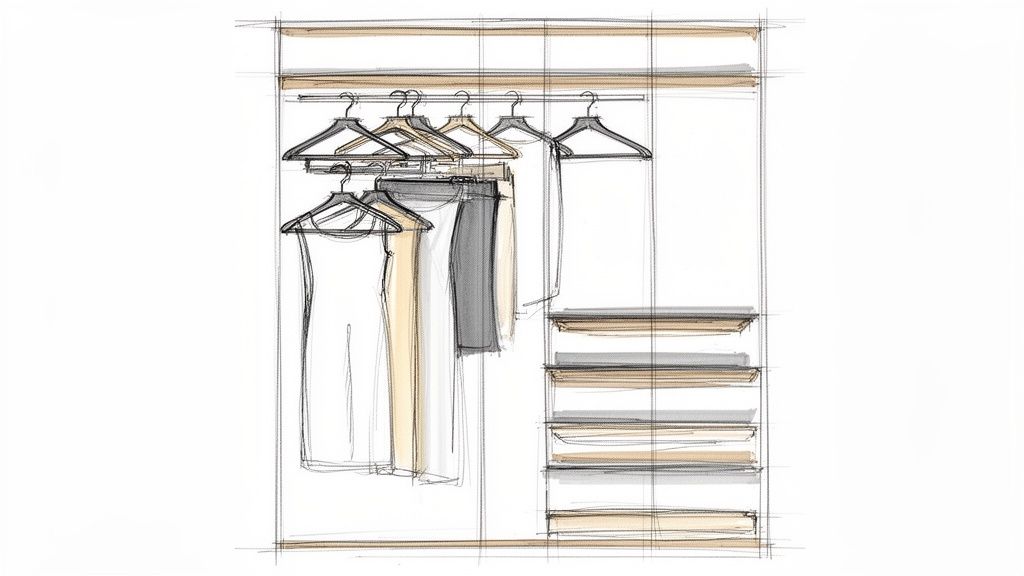
How to Implement Vertical Organization
Follow these practical steps to elevate your closet layout and reclaim unused space:
- Invest in Quality Hangers: Switch to a uniform set of high-quality velvet or wooden hangers. This simple change instantly creates a streamlined, cohesive look and prevents garments from slipping.
- Utilize Tiered Hangers: Use cascading or tiered hangers for similar items like skirts or trousers. This allows you to hang multiple pieces in the vertical space of just one.
- Add Adjustable Shelving: Install vertical shelving or shelf dividers to neatly stack sweaters and handbags. This prevents items from toppling over and makes use of the tall, empty space above your hanging rods.
- Hang by Length: Arrange your hanging clothes by length, creating a clean, descending line from shorter items to longer ones. This creates usable space on the floor below shorter garments for shoes or storage boxes.
10. The Seasonal Rotation & Off-Season Storage System
A seasonal rotation system is one of the most effective strategies for maintaining a manageable and relevant wardrobe. This method involves keeping only current-season clothing accessible while properly storing off-season items. Heavy wool coats and cashmere sweaters are put away during summer, making room for lightweight linen dresses and silk blouses, which are then stored come winter.
This approach dramatically reduces visual clutter in your main closet, making it easier to see and access what you can actually wear now. It stands out as one of the best ways to organize your closet because it protects your investment pieces from dust and pests, simplifies daily dressing, and creates a clear, focused space. This system is perfect for the Cedar & Lily client who values order and the longevity of her high-quality garments.
How to Implement a Seasonal Rotation
To apply this system effectively, follow these actionable steps:
- Schedule Your Swap: Set calendar reminders twice a year, for spring/summer and fall/winter transitions. Use this time as an opportunity to declutter, assess your wardrobe needs, and identify any gaps for the upcoming season.
- Clean Before Storing: Always have items professionally cleaned or laundered before storing them. This prevents stains from setting and deters pests, a crucial step in garment care. You can find more tips on proper care in our guide on how to prevent pilling and preserve your knitwear.
- Use Proper Storage Solutions: Avoid plastic bins that can trap moisture and cause yellowing. Instead, opt for breathable cotton garment bags for hanging items and archival boxes for folded pieces. Store them in a cool, dark, and dry place like a climate-controlled closet or under a bed, not in a damp basement or hot attic.
- Add Natural Repellents: Include cedar blocks or lavender sachets with your stored items to naturally repel moths and keep fabrics smelling fresh until you need them again.
Top 10 Closet Organization Methods — Quick Comparison
| Method | 🔄 Implementation Complexity | ⚡ Resource Requirements | ⭐ Expected Outcomes | 📊 Ideal Use Cases | 💡 Key Advantages |
|---|---|---|---|---|---|
| The KonMari Method (Spark Joy Approach) | High — time‑intensive, reflective sorting | Time, quiet space, commitment | ⭐⭐⭐⭐ — curated, intentional wardrobe | Luxury collectors, boutique curation, capsule builders | Reduces clutter; encourages quality over quantity |
| Color-Blocking Organization | Medium — planning + maintenance to keep order | Matching hangers, time for sorting, space | ⭐⭐⭐ — fast outfit coordination, visual appeal | Stylists, professionals, visual shoppers | Makes outfit building intuitive; reveals color gaps |
| The Capsule Wardrobe System | High — upfront planning and curation | Investment in quality pieces, planning time | ⭐⭐⭐⭐ — less decision fatigue; high versatility | Busy professionals, travelers, sustainable shoppers | Promotes versatility and long‑term savings |
| The Hanger Method (Reverse Hanger Tracking) | Low — simple process but requires observation period | Matching hangers, 3–6 month tracking | ⭐⭐⭐ — objective usage insight; clear purge targets | Those with sentimental items; wardrobe audits | Data‑driven decisions; minimal day‑to‑day effort |
| Category-Based Organization (Konmari Adjacent) | Medium — initial sorting by type | Labels/dividers, shelving, time to sort | ⭐⭐⭐ — clear inventory visibility; easy locating | Retailers, stylists, people with many similar items | Simplifies inventory management; easy to maintain |
| Zone-Based Organization (Occasion & Lifestyle Zones) | Medium–High — requires layout planning | Dedicated closet sections, dividers, hangers | ⭐⭐⭐⭐ — context‑specific efficiency; faster dressing | Professionals balancing work, weekend, events | Streamlines context dressing; aids quick transitions |
| First-In-First-Out (FIFO) Rotation System | Low — discipline to rotate items consistently | Linear hanging space, habit formation | ⭐⭐⭐ — regular rotation; fewer forgotten pieces | Large collections, collectors, wardrobe managers | Ensures all items get worn; retail‑proven method |
| Outfit Coordination Boards & Visual Planning | High — time to create and update outfits | Apps/boards, photography time, planning | ⭐⭐⭐⭐ — eliminates outfit guesswork; travel‑ready | Busy professionals, event planners, capsule users | Pre‑planned outfits speed mornings and travel |
| Vertical Hanging & Space Optimization | Medium — installation and consistency | Matching hangers, vertical storage hardware | ⭐⭐⭐⭐ — maximizes capacity; improves visibility | Small closets, boutique displays, space‑conscious homes | Increases visibility and protects delicate items |
| Seasonal Rotation & Off-Season Storage System | Medium — periodic transitions each season | Off‑season storage, garment bags, climate control | ⭐⭐⭐ — frees in‑season space; preserves garments | Distinct‑season climates; collectors with limited space | Protects pieces and reduces seasonal clutter |
Maintain Your Sanctuary & Elevate Your Style
Transforming your closet from a source of stress into a sanctuary of style is a journey, not a destination. Throughout this guide, we've explored ten of the best ways to organize your closet, each offering a unique path toward clarity, function, and inspiration. From the mindful decluttering of the KonMari Method to the strategic efficiency of a Capsule Wardrobe, the core principle remains the same: your wardrobe should serve you, not overwhelm you.
By now, you have a powerful toolkit at your disposal. You understand how to group items by category, color, or occasion, making the search for the perfect outfit effortless. You’ve learned the simple genius of the Reverse Hanger Method for identifying unworn pieces and the practical necessity of a Seasonal Rotation System to keep your daily choices relevant and accessible. These strategies are more than just tidying tips; they are frameworks for building a more intentional relationship with your clothing.
From System to Lifestyle: Your Path Forward
The true key to lasting organization is consistency. The initial overhaul is a significant achievement, but the small, ongoing actions are what preserve your hard-won order.
- The Five-Minute Reset: Dedicate just five minutes at the end of each day to return items to their designated homes. Hang up the blazer you wore to the office, place your handbag back on its shelf, and put your shoes away. This small habit prevents clutter from accumulating and maintains the visual calm you've created.
- The Seasonal Check-In: Twice a year, as you perform your seasonal swap, take an hour to reassess. Is your Zone-Based system still aligned with your lifestyle? Does your Capsule Wardrobe need a refresh with a few key trend pieces? This is your opportunity to fine-tune your system and ensure it continues to meet your needs.
- Mindful Additions: As you bring new pieces into your wardrobe, consider where they will live. Having a designated spot in mind before you even make a purchase ensures every item has a purpose and a home, preventing the return of chaotic overflow.
Embracing these maintenance habits turns organization from a one-time project into an integrated part of your routine. It protects the investment you've made in your beautiful garments and, more importantly, gives you back precious time and mental energy every single day. An organized closet is the foundation of effortless style, allowing you to walk out the door feeling confident, polished, and ready for anything.
Now that you've created the perfect foundation, let us help you fill it with pieces you'll love for years to come. The stylists at Cedar & Lily Clothier are experts at identifying the timeless staples and statement-making designs that will elevate your newly organized wardrobe. Explore our curated collections online at Cedar & Lily Clothier or visit us in-store for a personalized styling experience.