


You've got one free afternoon in Tulsa, a specific shopping mission, and no interest in burning it inside a windowless mall. Maybe you need a polished outfit for a wedding, a thoughtful gift, or a better place to browse than a row of big-box stores. Utica Square shopping works best when you treat the center as a curated outing, not a directory. Start with one strong destination, build in time to walk, and let the plaza, boutiques, restaurants, and covered paths shape the pace.
Utica Square remains especially useful for shoppers who want quality and atmosphere without the sprawl of a regional mall. The practical details matter, though. Parking, store locations, seasonal crowds, and the planned redevelopment can all change how smoothly your visit goes.
What Makes Utica Square Feel Different From a Regular Mall
A first-time visitor usually notices the difference before opening a car door. You pull into Utica Square and see low-rise storefronts, manicured paths, covered walkways, and a green plaza instead of a massive enclosed building with department-store anchors at either end. The experience feels closer to strolling through a compact neighborhood district than marching through a conventional mall.
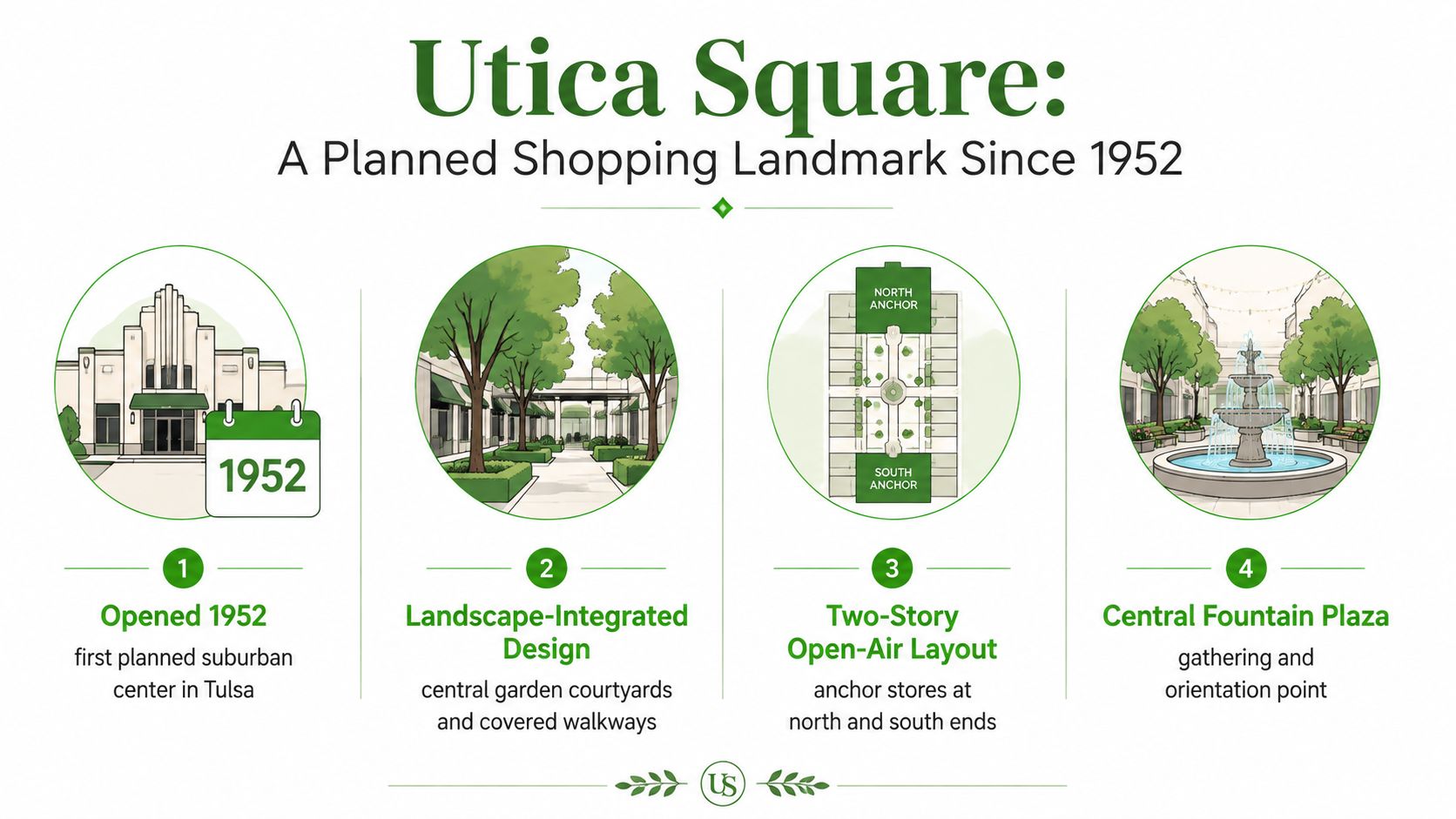
That layout was intentional from the beginning. The Library of Congress record for Utica Square describes Tulsa's first planned off-street shopping center as a low-scale retail setting with off-street parking and a green plaza at its center. The design gives pedestrians a visible focal point and makes short walks between stores feel like part of the visit rather than an inconvenience.
Local rule: Don't rush straight from your car to the first storefront. The center makes more sense when you use the plaza and covered walkways as your orientation points.
The rhythm is slower by design
A regular mall encourages long indoor corridors, quick stops, and predictable anchor-store routes. Utica Square's smaller storefronts and open-air arrangement support a different rhythm. You can browse a clothing boutique, cross a planted walkway, pause for coffee, and continue toward beauty, home, or dining without losing the sense of place.
That's why the center suits intentional shopping missions. It isn't trying to offer every possible category under one roof. Its value comes from a more edited mix, including upscale stores, specialty retailers, restaurants, and local institutions. The center's property information describes a mature retail destination with a substantial footprint and a curated tenant mix, rather than a convenience strip. Northwood's Utica Square property overview identifies 317,034 square feet of space and a key center metric of 35,887, while other descriptions point to more than 40 boutiques and upscale stores.
Start with one anchor stop
For clothing, I'd begin at Cedar & Lily Clothier rather than wandering until you find something. It represents the kind of specialty tenant that gives Utica Square its identity: edited fashion, event-ready pieces, work-to-weekend clothing, and staff guidance when you need a second opinion.
The broader point is simple. Utica Square isn't a place to chase tenant count. It's a place to make a few good stops, choose carefully, and enjoy the setting between purchases. The 2026 ownership transition and redevelopment plans suggest that the center is being updated around that identity, not stripped down into a generic retail complex.
The History and Layout Behind the Center's Character
Arrive with one store in mind, then let the plaza shape the rest of the visit. Utica Square opened on May 22, 1952, and independent historical sources identify it as Tulsa's first suburban shopping center. The center's own history records 30 tenants at launch and nearly 60 tenants by its 70th anniversary in 2022. That growth explains why the property feels established without feeling fixed in the past.
Its original layout still does much of the work. Utica Square was designed as an off-street shopping center with low-scale stores, covered sidewalks, beautifully planted surroundings, and a green plaza. The historical account also records more than 1,000 free parking spaces in the original plan. The result is a walkable open-air setting, not a single enclosed corridor where every stop looks the same.
Read the property in three layers
Start at the green plaza. It gives you a reliable orientation point and makes the walk between storefronts easier to understand. Use the open space to plan a loop instead of doubling back from one isolated address to another.
Then set the right expectation. Utica Square works as a compact, curated destination rather than a regional mall. A 2026 acquisition report describes a 370,755-square-foot center with more than 40 boutiques, adding useful current context to the property's scale. That figure is broader than older public descriptions, so treat it as an acquisition-era property measurement rather than a shopping checklist.
Finally, check access before you arrive. Northwood's announced redevelopment includes a new park and green space, additional angled parking, a widened and realigned crosswalk, refreshed landscaping and signage, and a multi-year tree replacement program. Construction is expected to begin by the end of 2026, according to the reported redevelopment plans.
What the ownership change means for shoppers
The ownership transition matters because the planned work targets how visitors use the center, not just how it looks. Added parking, clearer pedestrian movement, refreshed planting, and new gathering space should make shopping between stops easier while retaining the mid-century character that defines Utica Square.
Expect phased changes rather than one dramatic reset. Before a visit during active construction, check store and property updates, allow extra time for wayfinding, and confirm that your usual entrance remains practical. Cedar & Lily Clothier and other destination storefronts are easier to enjoy when you plan the route before parking.
Why Cedar & Lily Clothier Is the Standout Boutique at Utica Square
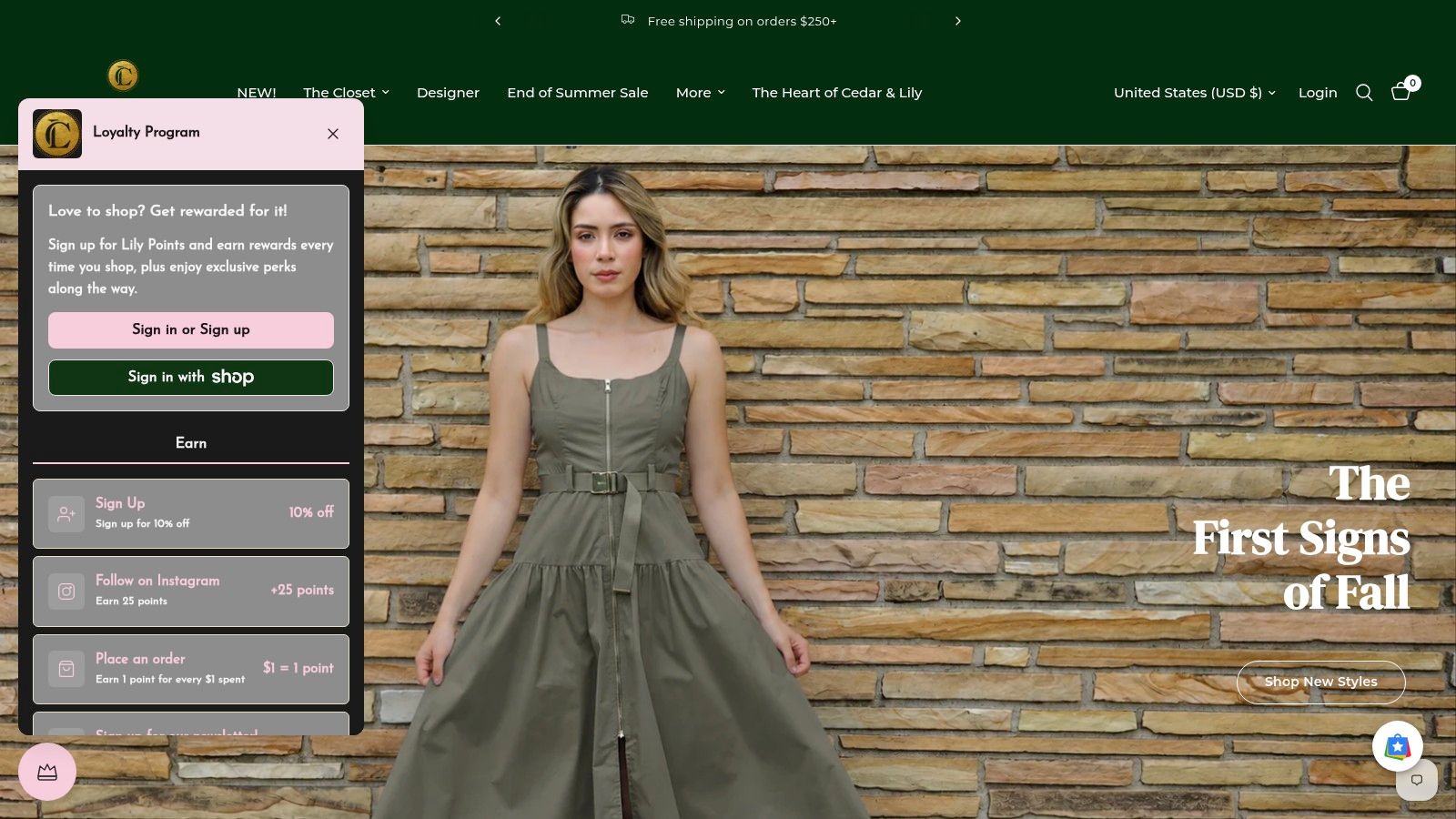
If you're shopping for a dress, a polished work outfit, or something that needs to feel special without looking overworked, Cedar & Lily is the stop I'd prioritize. The Cedar & Lily Clothier storefront and online boutique combine curated women's fashion with in-store fit guidance and concierge-style service at its Tulsa and Jenks locations.
The assortment is broad enough to support several missions without feeling like a department-store floor. New arrivals span mini, midi, and maxi dresses, tops, denim, blazers, outerwear, jumpsuits, handbags, jewelry, hats, belts, fragrances, and candles. Labels such as Favorite Daughter and Elliatt give the selection a designer-led point of view, while neutrals and statement pieces cover both everyday dressing and formal occasions.
Match the boutique to your actual mission
For workwear, look first at blazers, refined tops, denim, and pieces that can move from an office setting into dinner. For prom, galas, weddings, or other events, go directly to the dresses and ask an associate to help narrow the choices. The value of a boutique like this isn't having endless racks. It's getting a more edited starting point and practical feedback on fit, proportion, and styling.
Gift shoppers should also use the service details. Cedar & Lily offers fast shipping, free shipping on orders over $250, complimentary gift packaging on purchases over $100, handwritten notes, gift cards, and size exchanges. Those policies are useful when you're buying for someone else or coordinating an online purchase after browsing in person.
Best use of your time: Tell the associate what the event is, what you already own, and what you refuse to wear. Specific information produces better styling help than simply asking for “something nice.”
The store works particularly well for shoppers who want one standout item and a few supporting pieces. A statement dress can lead to jewelry or a handbag; a blazer can become the foundation for several work-to-weekend combinations. You don't need to buy a complete wardrobe to get value from the stop.
For a visual sense of the store's fashion direction, watch the embedded presentation below before you visit.
The smartest approach is to visit with a purpose but stay open to a substitute. If your first choice doesn't fit, ask about a similar silhouette in another fabric or color. That conversation is where the boutique format earns its place in an Utica Square itinerary.
Where to Shop by Category Across the Center
Don't approach Utica Square as a checklist of every storefront. Pick the category that matters most, make one primary stop, and use nearby stores for comparison or finishing touches.
Dresses and occasion wear
Start at Cedar & Lily Clothier for a curated selection of dresses, jumpsuits, blazers, and accessories. It's the practical first stop for prom, wedding guest dressing, gala attire, or a work wardrobe refresh because the staff can help you make decisions instead of leaving you to sort through an overly broad assortment.
For broader browsing, check the event-focused neighbors and nationally recognized fashion tenants around the center. Keep your expectations realistic. Utica Square is designed around curation, so it may not offer every size, silhouette, or price point in one visit.
Accessories and finishing pieces
Once you have the main outfit, look for jewelry, handbags, belts, hats, and other pieces that complete it. Walking between smaller storefronts works in your favor. You can compare a polished accessory with a more casual option without committing to another large retail trek.
Gifts and home
Anthropologie and Williams-Sonoma are sensible destinations for gifts and home-focused browsing. Use them when you need something visual, useful, or easy to wrap. If the recipient's personal style is uncertain, home fragrance, tabletop pieces, kitchen goods, and small decorative items are safer starting points than highly specific apparel.
For seasonal wardrobe ideas, Cedar & Lily's guide to the summer-to-fall transition can help you identify useful layering categories before you arrive.
Beauty and everyday style
Sephora is the obvious beauty stop for shoppers who want familiar brands, makeup, fragrance, or skincare browsing. Nearby independent and specialty tenants can make the visit feel less standardized, so give yourself time to compare rather than treating beauty as a quick errand.
If you're visiting from outside Tulsa and need to map several stops, a precision navigation tool for shopping centers can help organize store locations and reduce backtracking. That's especially useful when your list mixes fashion, gifts, beauty, and dining.
The efficient route is centerpiece purchase first, supporting categories second, meal last. Secure the item with the highest stakes before you spend energy browsing.
Dining, Parking, and Visit Logistics That Actually Matter
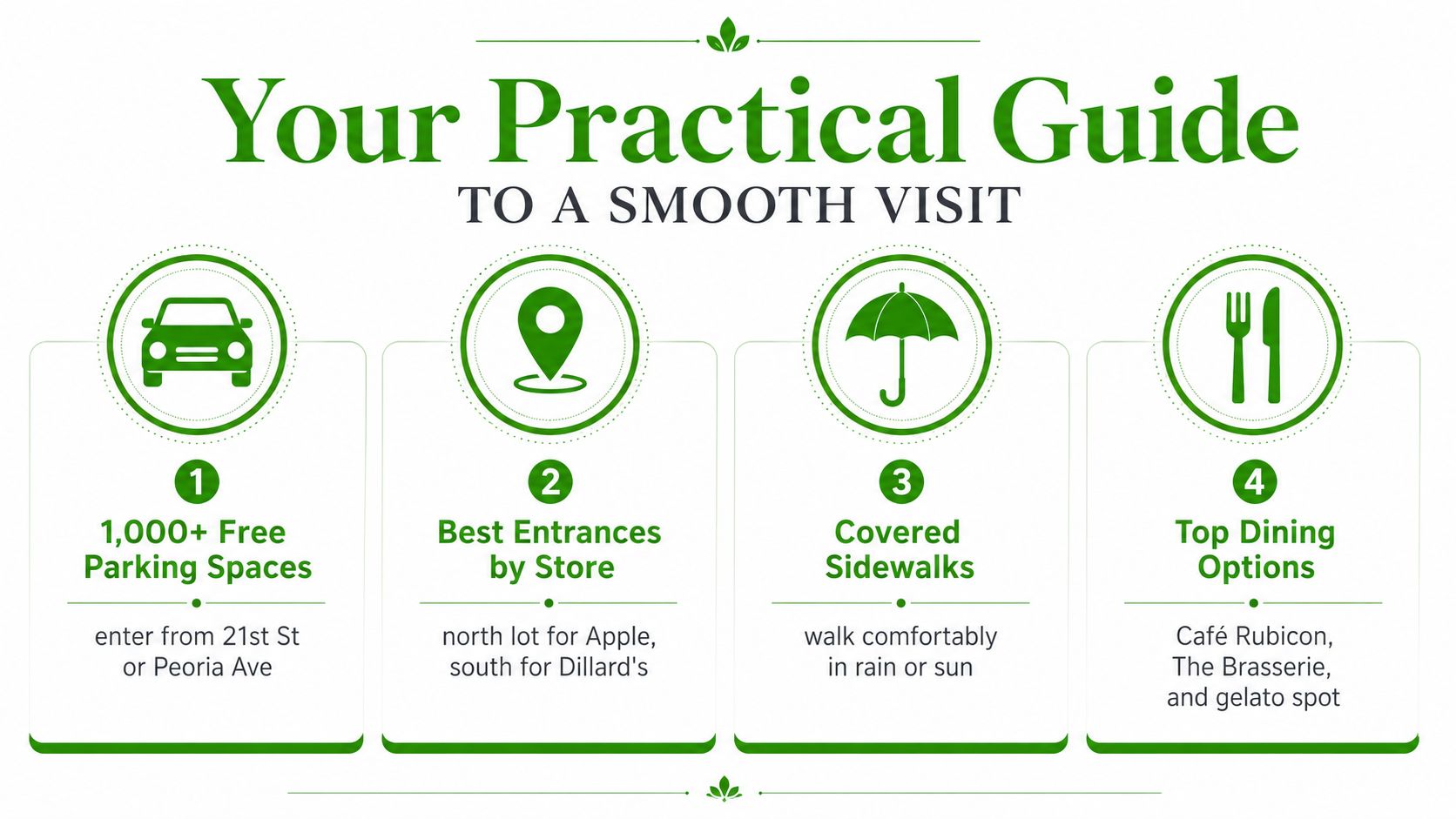
Parking is one of Utica Square's practical strengths. The original plan included more than 1,000 free parking spaces, as documented in the center's historical account. Don't assume that means every space is equally useful. Choose your approach based on your first store, then walk through the covered paths instead of repeatedly moving the car.
The open-air layout is comfortable in sun and light rain because covered sidewalks connect much of the retail environment. Families with strollers and visitors who need a slower route should stay on the most direct paved paths, avoid unnecessary loops, and ask store staff about accessible entrances when needed.
Park for the first purchase
If Cedar & Lily is your priority, enter from the side that gives you the shortest practical walk to the boutique and then continue on foot. If your visit centers on beauty, gifts, or home, use the nearest available lot rather than trying to force one “perfect” parking location. The planned addition of angled parking should make arrival easier once construction is complete, but active work may temporarily change access.
A widened and realigned crosswalk is also part of the redevelopment plan. That improvement matters because Utica Square's experience depends on easy movement between cars, storefronts, and gathering spaces. During construction, follow temporary signs rather than relying on familiar habits.
Treat lunch as part of the itinerary
For a sit-down meal, choose a restaurant that lets you slow down after the main shopping push. Stonehorse Café, Polo Grill, Queenie's, and other established dining destinations give the center a stronger sense of place than a generic food court would. For coffee or a quick pause, choose the closest café to your current route rather than crossing the property just to save a few minutes.
Go earlier if you want a calmer meal. During busy shopping windows, restaurants and popular boutiques can feel noticeably more active, so don't schedule a tight chain of appointments around lunch.
Courtesy that locals appreciate: Carrying bags from another retailer isn't a problem, but keep large outside purchases in your vehicle when possible. In staffed boutiques, greet associates, explain what you're looking for, and give them room to work.
Before leaving home, check store hours, current parking guidance, weather, and construction notices. That short preparation prevents most first-visit frustrations.
Seasonal Events, High-Traffic Windows, and 2026 Redevelopment Effects
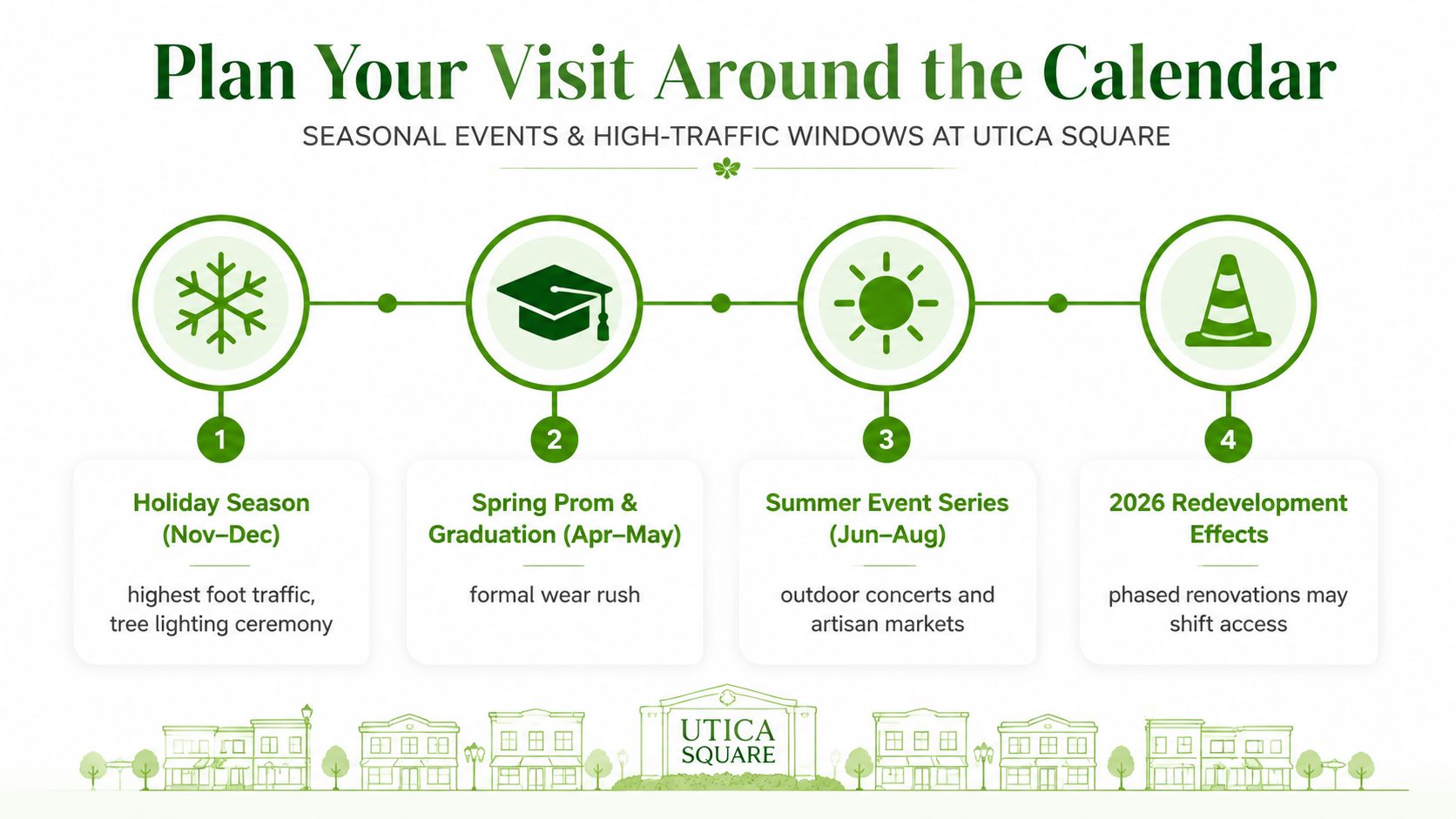
Utica Square's pace changes with the calendar. Holiday shopping brings the busiest parking and fitting-room competition. Spring prom and graduation increase demand for formalwear, while summer and fall shift attention toward lighter layers, wedding guest clothing, and other event outfits.
Choose your timing by purpose
For an easier browse, visit on a quieter weekday and start with the store that matches your main goal. Formalwear deserves an early start, before an urgent deadline narrows your choices. Cedar & Lily Clothier is a practical first stop for event dressing because fit guidance matters as much as finding a dress.
The center's recurring programming gives shoppers another reason to visit. Summer's Fifth Night brings Thursday evening live music, while Lights On anchors the holiday season. Trunk shows and tenant-led pop-ups can be worthwhile detours, but verify dates before making a dedicated trip.
Translate redevelopment into visit decisions
Northwood's plan adds a park and green space, angled parking, a wider crosswalk, updated landscaping and signage, and replacement trees over multiple years. Work is expected to begin by the end of 2026. During that period, expect temporary barriers, altered entrances, and pedestrian routes that may change between visits. Review current access instructions before heading over, especially if you are visiting for a time-sensitive appointment. The published redevelopment announcement describes new gathering space, better connections, and an effort to preserve the center's mid-century character.
That character should guide how you judge the finished project. Utica Square works because its low-rise buildings, mature greenery, walkable layout, and curated storefronts make shopping feel like a neighborhood outing. Added parking and safer crossings should improve the visit only if they support that setting rather than overwhelm it. For now, build in extra time and follow on-site signs instead of assuming familiar routes remain open.
Sample Itineraries and Insider Advice for a Smart Visit
For a focused one-hour stop, park near your first destination, go straight to Cedar & Lily for the main purchase, and leave time for a quick accessory browse. Tell the associate whether you're dressing for work, a wedding, prom, or a gala. That detail changes the recommendations.
For a half-day visit, begin with clothing, move to accessories, then browse Sephora, Anthropologie, or Williams-Sonoma before lunch. Keep the meal in the middle or near the end, depending on whether you want to shop afterward.
For an occasion-shopping trip, start with the dress, confirm fit and return details, then source jewelry or a gift before dining. If you're buying for someone else, ask about gift packaging and a handwritten note before checkout.
Out-of-town visitors should combine Utica Square with nearby Tulsa stops rather than trying to turn it into an all-day mall replacement. Locals can make the visit more efficient by calling ahead about availability, while first-time shoppers should ask for styling help instead of guessing between sizes. Cedar & Lily's personal shopping experience guide is useful preparation for that kind of appointment.
The short version: make one boutique your anchor, walk between categories, reserve time for lunch, and check redevelopment access before you go.
For polished workwear, event dressing, accessories, and gift-ready service, visit Cedar & Lily Clothier at Utica Square or shop online before your trip. Bring your occasion, preferred fit, and timing needs, then let the boutique help you build a more considered Tulsa shopping visit.