


The morning starts with a familiar wardrobe problem: one outfit must survive a conservative office, a chilly restaurant, and the walk between them. A long sleeve midi dress solves that problem when its proportions are right. It offers coverage without looking severe, polish without requiring a full suit, and enough movement for a day that doesn't end at five.
The sweet spot is practical and elegant. The hem carries a refined line, the sleeves handle drafty offices and cool evenings, and the silhouette can move from work to date night to an event with a change of shoes and jewelry. The dress only earns that versatility, however, when the sleeve length, hem placement, and fabric weight work with the wearer's actual body and routine.
Table of Contents
- Why the Long Sleeve Midi Dress Earns a Spot in Your Closet
- Fit Checks to Run Before You Buy
- Choosing the Right Fabric for the Occasion
- Styling for the Office and Beyond
- Dressing It Up for Dates and Events
- Wearing It Across the Seasons
- Shop the Look or Visit Us in Oklahoma
Why the Long Sleeve Midi Dress Earns a Spot in Your Closet
You are dressing for a full day, not a single photograph. The right long sleeve midi dress can handle a morning meeting, an evening reservation, and the weather between them, provided its sleeve length, hem placement, and fabric weight work together. For a fuller definition of the silhouette and its proportions, see our guide to what is a midi dress.
The silhouette rose to popularity in the 1940s, when hems between the knee and ankle suited wartime practicality and a more modest approach to dressing. That balance of coverage and movement still gives the midi its staying power. Its history also shows why the shape remains a dependable wardrobe choice, rather than a passing trend, as outlined in its history of the casual midi dress.
The midi dress long sleeve earns its keep through three useful roles:
- Office polish: Long sleeves provide coverage in conservative settings, while a clean midi hem looks considered without the stiffness of a full suit.
- Date-night ease: A draped jersey or satin style needs only a refined shoe and one deliberate piece of jewelry.
- Event-ready dressing: Velvet, crepe, or a saturated color can carry a dinner, reception, or gallery opening without complicated layering.
It also handles seasonal changes better than many short-sleeve styles. Boots, tights, and a coat add warmth in cooler weather. In warmer conditions, breathable fabric keeps the coverage comfortable, while a relaxed sleeve prevents the dress from feeling restrictive. The category includes fitted and flowing shapes, with soft jersey, textured crepe, and lightweight mesh among the commonly used materials, as shown in this long sleeve midi dress assortment guide.
Stylist's rule: A dress that requires a different strategy for every setting is not versatile. One that changes character with a layer, shoe, or bag deserves closet space.
The details determine whether it earns its cost. Sleeves that stop at the right point make the silhouette look intentional. A hem that avoids the widest part of the calf supports the leg line. Fabric with enough weight to drape, without becoming heavy, keeps the dress in rotation instead of on a hanger.
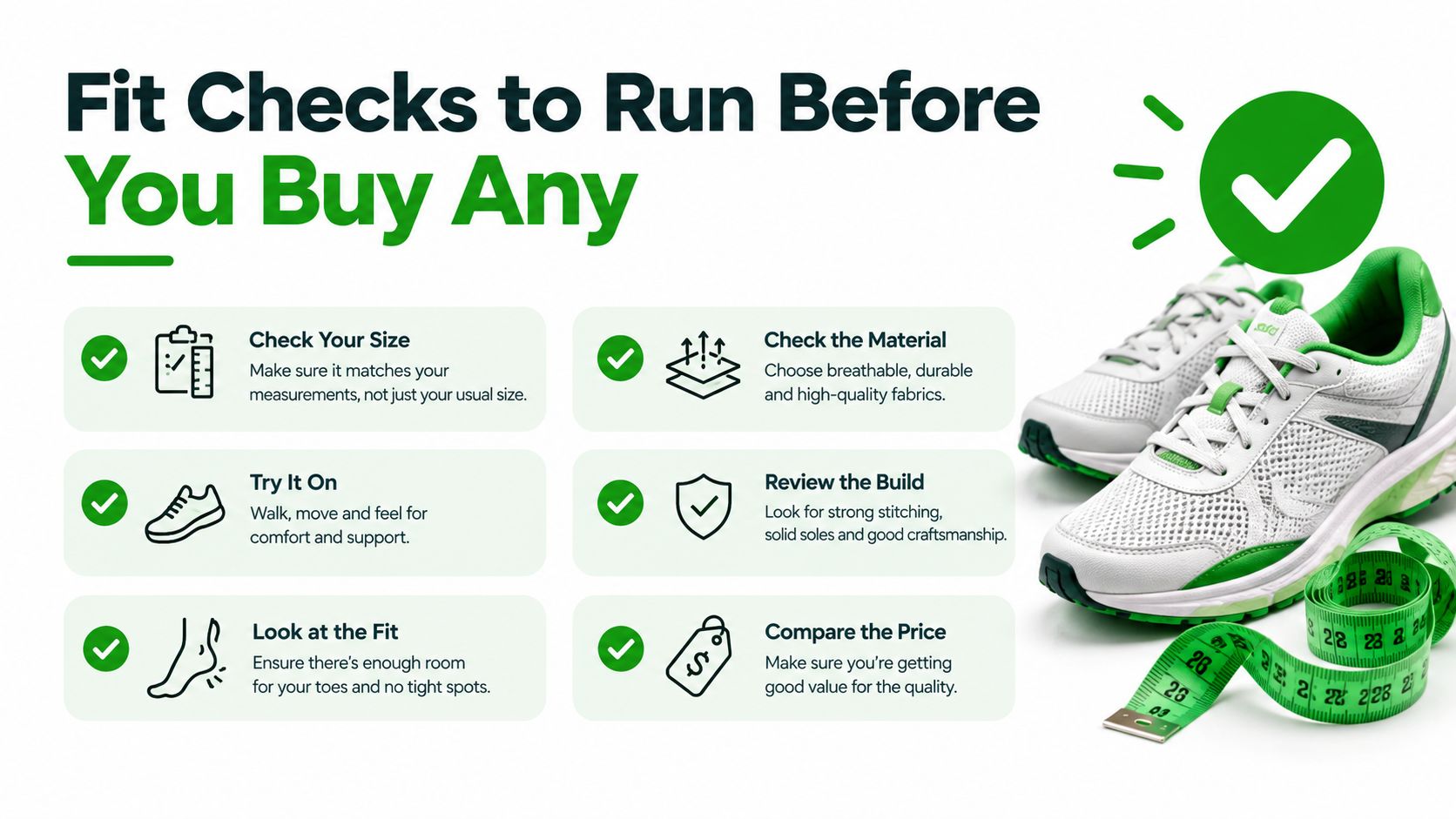
Fit Checks to Run Before You Buy
A long sleeve midi dress should pass a movement test before it passes a style test. The wearer should walk, sit, reach forward, bend the arms, and turn in the fitting room. A beautiful neckline can't rescue sleeves that pull or a hem that twists every time the body moves.
Start with the sleeve and armhole
The sleeve should finish at the wrist bone, not across the palm. That placement leaves a watch, bracelet, or bare wrist visible and keeps the hand from looking swallowed by fabric. If the sleeve reaches the base of the hand, alteration may help. If the shoulder seam already sits too far down the arm, shortening the sleeve won't correct the underlying proportion.
The armhole deserves equal attention. Raise both arms, reach toward a mirror, and rotate the shoulders. The area beneath the arm, or axilla, should allow comfortable movement without pulling across the bust, back, or underarm. Long sleeves make a tight armhole more obvious because the fabric has less freedom to distribute tension.
Read the hem against the leg
A true midi should sit between the top of the knee and the widest part of the calf, while the exact visual effect changes with height and leg proportion. A technical dress-classification study measures hem length against leg length, using the hip-to-ankle span as a reference and sorting hems into ten length classes. The study reports perfect precision, recall, and F1 for several classes, including below-knee, knee, and micro, showing that normalized body proportions help distinguish hem categories reliably in the dress-classification study.
That matters in a fitting room. A hem that reads as an elegant midi on one height may look closer to a below-knee dress or a maxi on another. The wearer should check the hem while standing naturally, then walk in the shoe height intended for the dress. A small change in placement can alter the entire line.
Test the cuff and the waist
The cuff should allow a thumb to slip through without tension. That simple test reveals whether the wearer can bend the arm, carry a bag, and push up the sleeve without fighting the fastening. A cuff that falls beyond the wrist bone or digs into the forearm will become irritating long before the rest of the outfit feels wrong.
Sizing should begin with the bust, torso, natural waist, and hips, rather than a familiar letter or number. The torso measurement runs from the top of the shoulder, between the legs, and back to the starting point, while the waist sits at the natural crease and the hip measurement covers the fullest part of the seat. The full process appears in this dress size chart and measuring guide.
The correct size is the one that gives the bust, armhole, and hip room first. A tailor can refine the waist more easily than a shopper can create space where the pattern has none.
Choosing the Right Fabric for the Occasion
Fabric should be chosen by lifestyle before color. A dramatic material that requires constant care may look excellent under boutique lighting and remain unworn in a busy wardrobe. A softer, more forgiving textile may deliver far more value if it handles commuting, sitting, and repeated styling.
| Fabric | Best Season | Best Occasion | Care Level |
|---|---|---|---|
| Jersey | Year-round, especially transitional weather | Casual workdays, travel, weekends | Usually easier care, but the label decides |
| Crepe | Fall through spring | Office, daytime events, polished dinners | Often needs more careful cleaning |
| Satin | Cool evenings and formal seasons | Dates, receptions, evening events | Delicate handling is common |
| Velvet | Cold weather | Holiday gatherings and formal celebrations | Requires careful cleaning and steaming |
| Cotton or cotton-blend | Spring and summer | Daytime, casual work, warm-weather events | Generally approachable care, with wrinkle attention |
Jersey is the practical choice for movement. It follows the body without demanding a precise fit through every inch of the waist and works well for casual office days, weekends, and travel. The best versions skim rather than cling, especially through the bust and stomach.
Crepe is the workhorse for polished dressing. Its matte surface looks composed under office lighting, and its structure helps a long sleeve midi keep its shape. It suits professional settings and daytime events where satin would feel too evening-focused.
Satin brings shine and movement. It belongs at dinner, a reception, or an event where the dress should do more of the visual work. The tradeoff is care. Satin can show pulls, creases, and pressure marks, so it needs more attention between wears.
Velvet has a clear seasonal identity. It makes sense for a winter celebration or a formal evening because its texture supplies richness without requiring excessive accessories. Steam should be handled carefully so the pile remains attractive.
Cotton and cotton-blends make long sleeves viable in warmer weather. Breathability matters more than the sleeve count, and a lighter weave can offer coverage without trapping as much heat. For more summer-specific fabric guidance, the guide to fabrics for summer dresses provides a useful starting point.
Care guidance also affects cost per wear. Cotton is generally breathable and comfortable, silk and velvet read as more formal, and jersey or cotton often suit casual plans, while lower-maintenance synthetics may be easier for frequent wear. The practical choice is the fabric that matches the wearer's actual laundry and storage habits.
Styling for the Office and Beyond
A neutral long sleeve midi in charcoal crepe or ink is the strongest starting point for a work-to-evening wardrobe. It needs enough shape to look deliberate, but it shouldn't be so fitted that sitting at a desk becomes a negotiation. The waist can be defined when a blazer is on and allowed to relax when the jacket comes off.
The morning formula
Begin with a pointed-toe block heel or polished loafer. A moderate heel keeps the posture composed without making the commute or desk hours unnecessarily difficult. A sleek ankle boot can replace the office shoe after work, particularly when the dress has a clean hem and the boot shaft doesn't create a visual break at the widest part of the calf.
Add a structured blazer in a complementary tone for meetings. The jacket should follow the shoulder and finish cleanly without competing with the dress neckline. A belt at the natural waist sharpens the silhouette beneath the blazer, but it shouldn't be used to force shape into a dress that is already pulling across the bust.
Carry a top-handle tote in the morning. Keep jewelry restrained with small studs, a slim watch, and a signet ring. The outfit should look finished before accessories become the focus.
The evening switch
After work, replace the blazer with a fluid longline vest or a soft leather jacket. Choose one, not both. A compact shoulder bag creates a cleaner proportion than a large work tote, and a single statement earring or layered chain gives the neckline a deliberate evening shift.
| Time of Day | Shoes | Layering Piece | Bag |
|---|---|---|---|
| Morning commute | Polished loafer | Structured blazer | Top-handle tote |
| Office hours | Pointed-toe block heel | Blazer worn open or belted | Top-handle tote |
| Dinner after work | Sleek ankle boot | Fluid longline vest or soft leather jacket | Compact shoulder bag |
The office version should feel capable, not corporate by default. A subtle texture, an ink tone, or a softly draped sleeve adds personality while preserving the dress's professional line. More polished combinations for the workday appear in these business-casual outfit ideas for women.
Dressing It Up for Dates and Events
The same silhouette can look relaxed at dinner or formal at an event, but the styling must respect the hem. Midi dresses need footwear that extends the leg line rather than stopping abruptly beneath it. A strappy heeled sandal works with satin or fluid jersey because its open shape keeps the ankle visible. A kitten-heel mule is the comfort-minded alternative, especially when the evening involves standing.
For a date
A draped satin or jersey midi should carry the softness. Add a sculptural earring, a delicate pendant, and a small clutch in a metallic or rich jewel tone. The jewelry should create one point of interest, not compete with the fabric's movement.
A subtle neckline or softly gathered waist makes the dress feel intentional without looking overworked. Smooth underwear and a well-fitted bra protect the drape, particularly when the dress is cut close through the bust. A petite wearer may prefer a slightly shorter midi with a subtle side split, which helps preserve movement and keeps the hem from overwhelming the frame.
The date-night dressing guide offers another practical reference for building a polished evening outfit.
For an event
Choose crepe or velvet in a saturated shade when the setting calls for more presence. Ground the dress with a sleek stiletto or ankle-strap pump, then add a long coat, cropped faux-fur stole, or sleek leather jacket according to the weather. Outerwear should finish at or above the knee when possible, so it protects the midi's line rather than creating a second competing hem.
Makeup should support the outfit's restraint. A defined lip, a soft smokey eye, and one statement cuff are enough. Excessive sparkle can make a refined long sleeve dress look busier instead of more formal.
Event dressing rule: When the dress has sheen, texture, or a strong color, the accessories should edit the look rather than decorate every available space.
Wearing It Across the Seasons
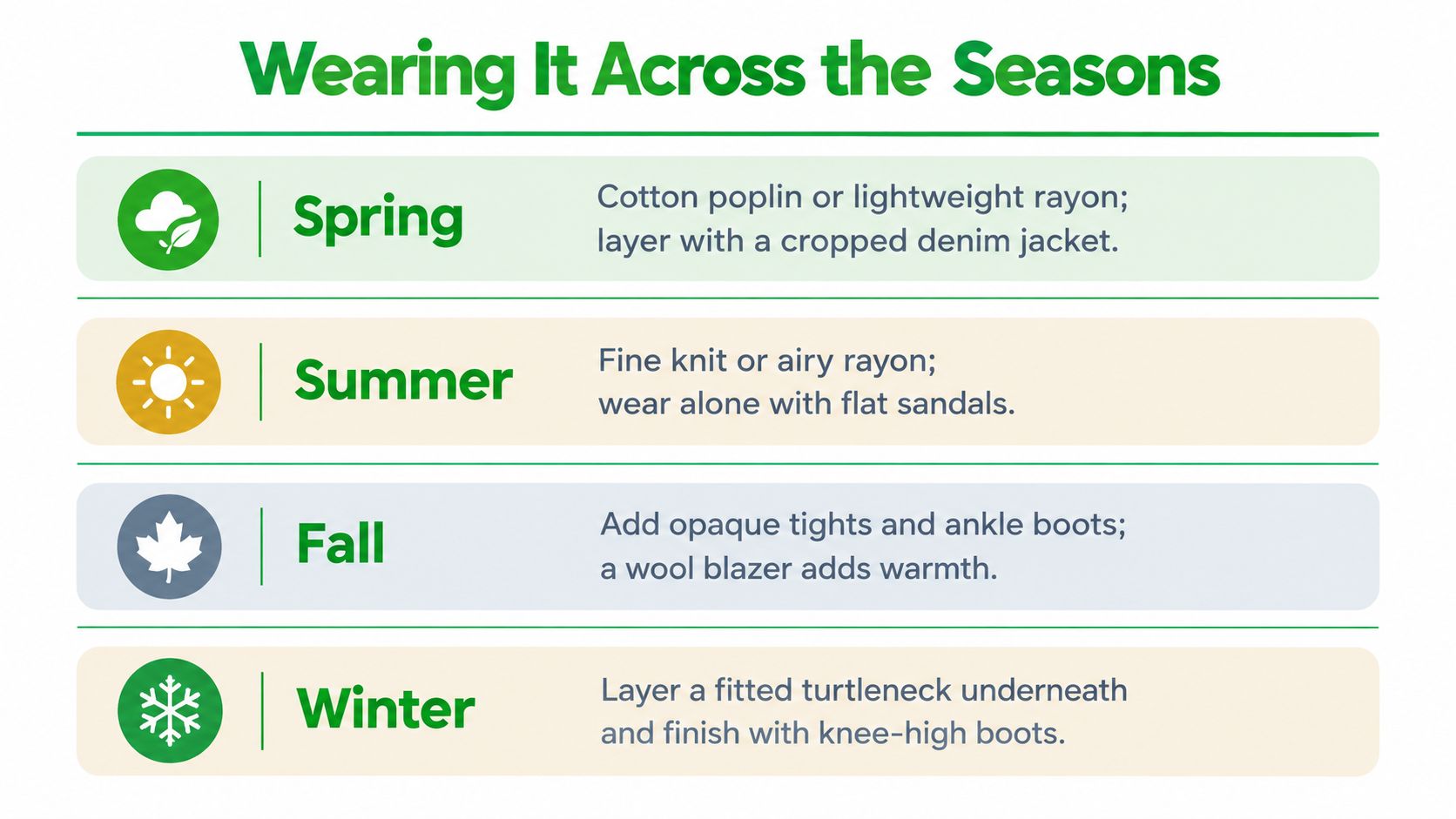
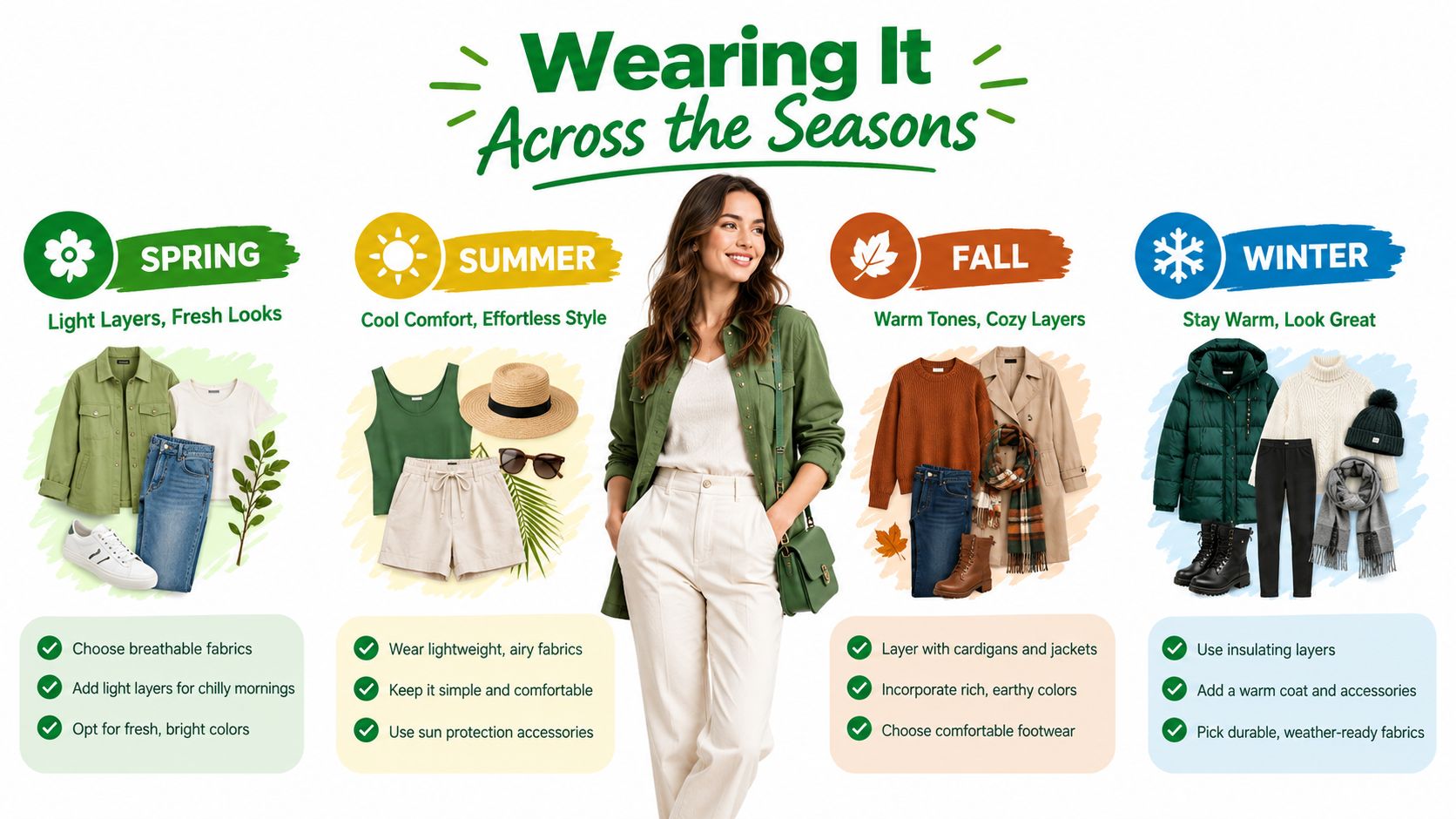
A seasonless long sleeve midi doesn't require four separate wardrobes. It requires the right fabric weight and an outer layer that respects the dress's vertical line. The sleeve and hem can remain constant while the materials, shoes, and accessories change around them.
Spring and summer
Cotton poplin, lightweight rayon, and fine knit fabrics keep the silhouette lighter in warmer months. Long sleeves can provide useful sun coverage, but the construction must breathe. A cuff rolled once breaks the uninterrupted sleeve line and makes the dress feel less formal. A woven or raffia accessory adds the right seasonal note without turning the outfit into a costume.
High heat demands more discipline. Open-weave knit and airy construction are better choices than dense jersey or heavy crepe. A flutter sleeve can preserve coverage while allowing more air around the upper arm, though the sleeve should still sit cleanly at the shoulder and avoid adding unnecessary bulk.
Footwear creates the main summer challenge. Flat sandals can work when the hem is light and the dress isn't too formal. A low mule or refined sandal provides more lift without making the outfit feel overdressed. The dress should move freely around the calf, especially when the wearer walks outdoors.
Fall and winter
Fall supports merino jersey, ponte, and brushed crepe. A cropped trench, leather jacket, or sleeveless vest adds warmth while keeping the midi hem visible as the visual anchor. Long layers can work, but only when their proportions are deliberate. A coat that stops at an awkward point on the calf can shorten the entire outfit.
Winter calls for a sleek wool or cashmere coat finishing at or above the knee, matte opaque tights, and a knee-high boot whose shaft meets the hem cleanly. A silk scarf at the neckline adds warmth without the bulk of a thick knit. The outer layer should follow the shoulder and leave enough room for the dress sleeve, otherwise the armhole becomes cramped and the dress loses its ease.
Seasonal demand also follows the fabric and sleeve logic. One trend report places long-sleeve midi dress searches at a peak in October 2025, with the lowest point in June 2025, and connects stronger fall interest with satin and long-sleeve designs. The report also notes that satin and long-sleeve styles increased 87% while floral prints declined 63% in September, as detailed in the long-sleeve dress trend report. Those figures describe search and trend behavior, not a reason to buy a dress that overheats or fits poorly.
Shop the Look or Visit Us in Oklahoma
A long sleeve midi dress earns its cost through three decisions. Fabric must match the climate and care routine. Hem placement must work with the wearer's stride and intended shoes. Sleeve construction must flatter the shoulder while leaving the wrist, armhole, and cuff comfortable. Miss any one of those points, and the dress risks becoming an attractive but impractical purchase.
Cedar & Lily Clothier is a women's boutique with storefronts at Utica Square in Tulsa and downtown Jenks, plus an online store. Its curated assortment includes designer and contemporary brands such as Vanessa Mooney and Lace the Label, along with dresses, layering pieces, accessories, and occasion-ready options. The boutique doesn't manufacture its own line, so the shopping experience centers on selecting and styling pieces from the brands it carries.
Readers can browse the online edit for long sleeve and midi dress options, with free domestic shipping and easy returns. Oklahoma shoppers can visit either storefront to see the fabric in person, test the sleeve movement, compare hem lines with real shoes, and ask the in-house team for styling help.
The in-store appointment is especially useful when the bust, torso, or sleeve needs a closer assessment. The team can discuss personalized fit adjustments, complimentary hemming on full-price dresses, and layering pieces under real lighting. That hands-on check is often the difference between a dress that looks good in a product image and one that works through an entire day.
Shop the edit today or book a fitting at Utica Square or downtown Jenks.
Cedar & Lily Clothier offers a curated selection of women's dresses, designer and contemporary labels, accessories, and personal styling support for workdays, dates, and events. Readers can explore the long sleeve midi edit online or visit Cedar & Lily Clothier in Tulsa's Utica Square or downtown Jenks for hands-on fit guidance.