









You've found the dress that looks effortless on the hanger, but the fitting-room mirror tells a different story. The waist seems too low, the skirt feels oddly heavy, and you're left wondering whether the problem is your body or the pattern. In my experience fitting hundreds of clients, the answer is usually simpler: the waist seam or hem is sitting in the wrong place.
A drop waist midi dress can create a long, polished line, but it isn't forgiving when its proportions miss your frame. The right version looks modern and relaxed without swallowing you. The wrong one shortens the legs, widens the hip area, or makes an elegant design look shapeless. Here's how to tell the difference before you buy.
Why the Drop Waist Midi Dress Keeps Coming Back
A client once tried on a beautifully cut drop waist dress and immediately reached for the zipper. She liked the fabric and loved the neckline, but the seam landed several inches below the widest part of her hip. The result made her torso look compressed and her hips look broader. We moved her into a style with a higher lowered waist, just above that fullest point, and the entire dress changed. Her posture improved, the skirt moved cleanly, and she stopped tugging at the fabric.
That fitting-room moment explains why this silhouette needs more precision than trend coverage usually gives it. A drop waist dress places its seam below the natural waist, commonly around the high hip or hip line. It creates a longer visual torso and a smoother vertical line, but only when the seam doesn't fall so low that it crowds the hip.
A silhouette built for movement
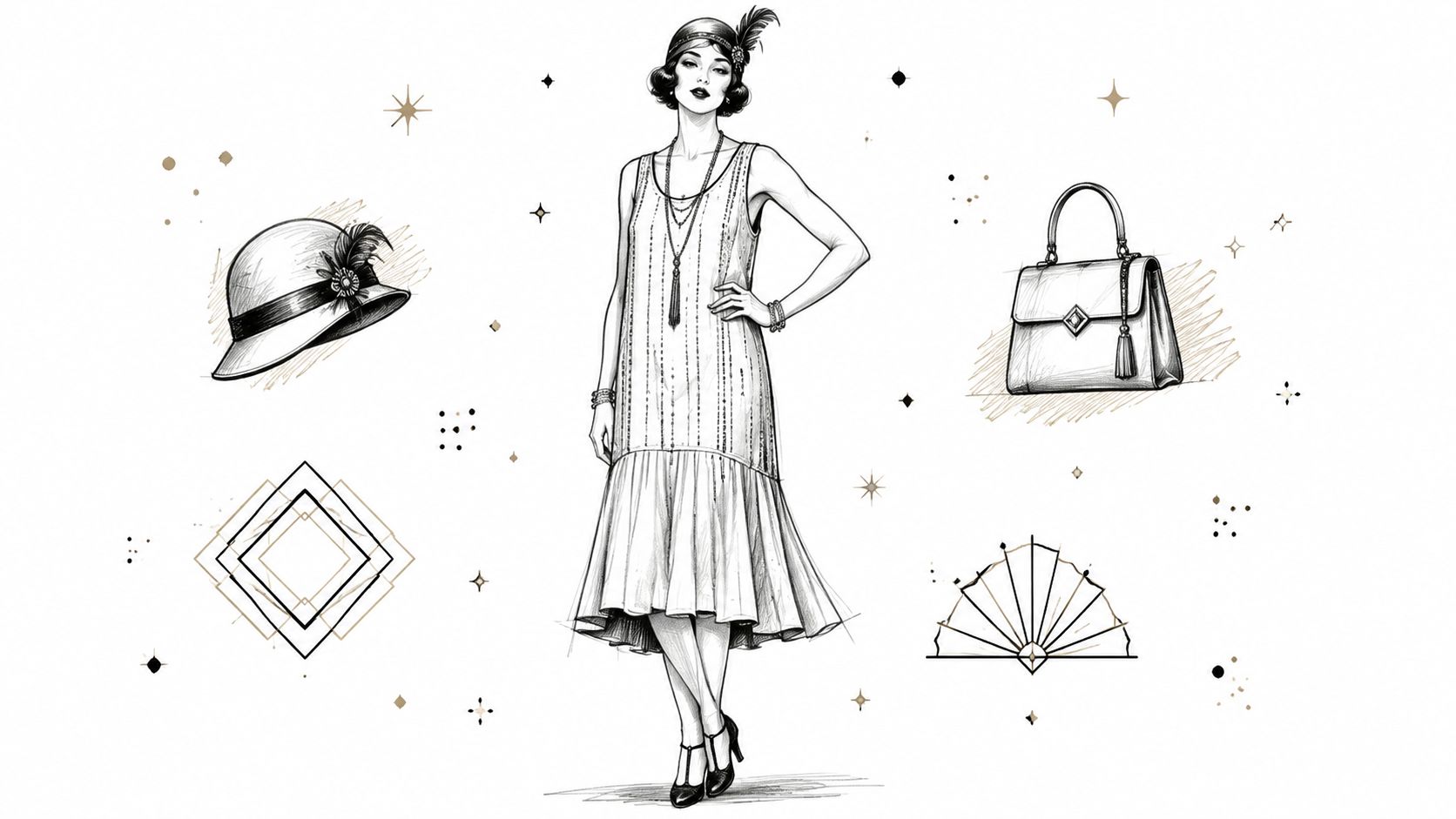
The shape has serious fashion credentials. The drop waist became a defining feature of 1920s fashion, particularly the flapper look, as women's clothing moved away from corsetry and toward looser, more economical garments. Fashion historians note that waistlines dropped until 1923, while hemlines rose until 1926, before the direction reversed. By 1925, these dresses commonly ended just below the knee, reflecting the decade's preference for easier movement and a less constricted body line. Those historical details are outlined in this history of the midi dress.
The silhouette didn't disappear when the Jazz Age ended. It resurfaced through the 1940s and 1950s, then returned again in the 1960s and 1970s, showing how designers repeatedly adapt the same structural idea to new wardrobes. The midi length followed its own cycle, gaining prominence during the 1940s as wartime fabric rationing encouraged practical dressing, then reappearing in the late 1960s and early 1970s as an alternative to mini and maxi lengths. This historical overview of midi dress style documents those shifts.
Why it works now
The modern appeal is practical. A drop waist midi gives you the polish of a structured dress without the rigid feeling of a sharply defined natural waist. Designers now use the shape for work dresses, soft daywear, pleated styles, and occasion pieces with movement. Current fashion coverage also shows the silhouette expanding beyond party dressing into office-ready and smart-casual wardrobes, particularly through soft draping, pleats, and wearable structure, as discussed in recent drop-waist trend coverage.
Stylist's rule: Treat the drop waist as an architectural line, not decoration. Its location determines whether the dress lengthens your shape or interrupts it.
The silhouette keeps returning because it solves a recurring style problem. Women want clothing that looks composed, moves comfortably, and doesn't depend on corsetry or an aggressively cinched waist. The drop waist midi delivers that balance when its two horizontal boundaries, the seam and hem, are fitted with discipline.
Understanding the Proportions That Make It Flattering
A drop waist midi dress divides your body into visible zones. The seam creates one horizontal break, and the hem creates another. Your eye reads the distance between those lines before it notices the print, buttons, or neckline. That's why a dress can be attractive in theory yet unconvincing on your body.
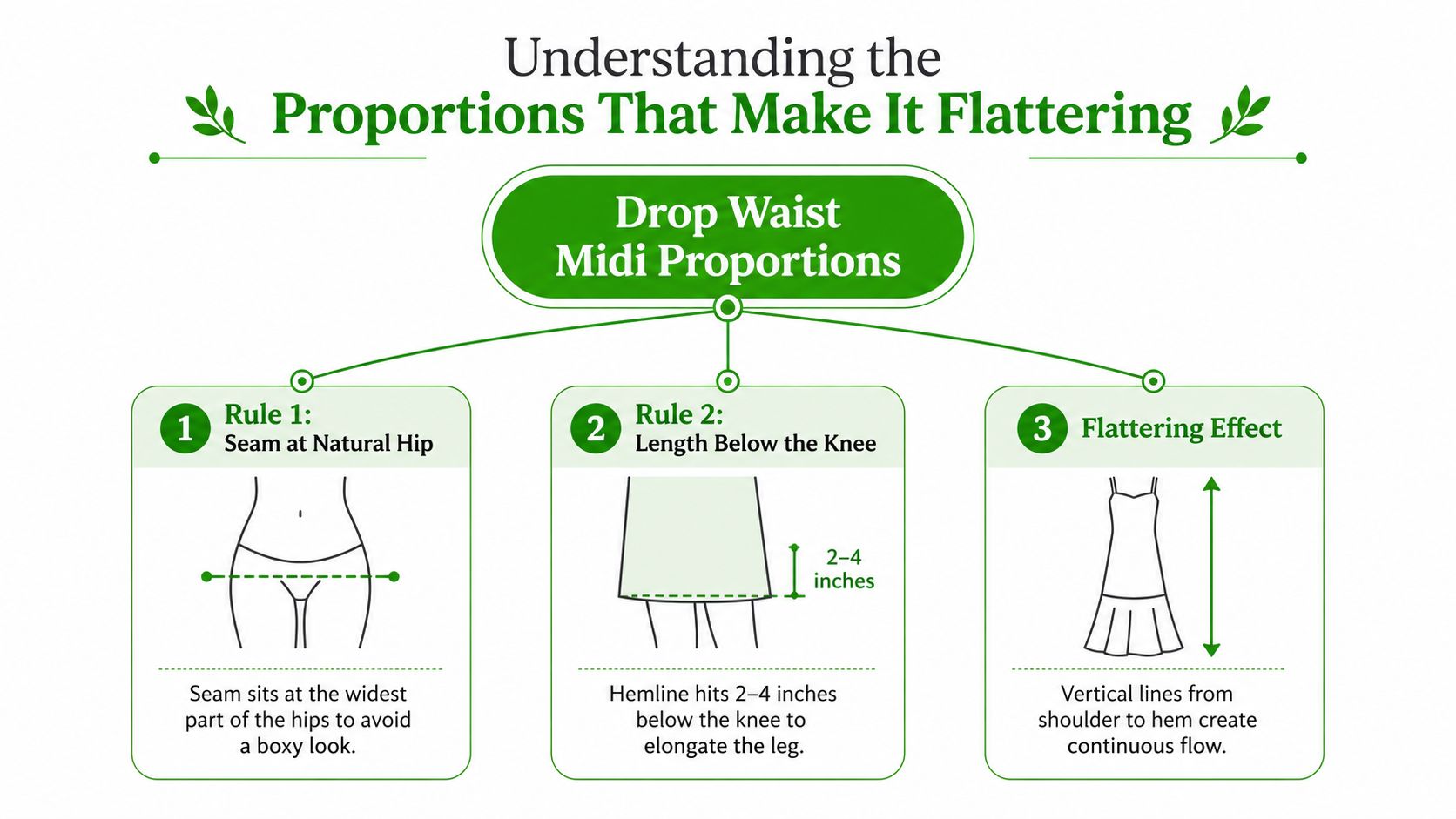
The first rule concerns the waist seam. The second concerns the hem. Get both right, and the dress forms a continuous vertical flow. Miss either one, and the silhouette can look boxy or heavy.
Rule one, place the seam above the widest hip point
The lowered waist should generally sit at the high hip or hip line, above the fullest part of the hip. That position lengthens the visual torso while letting the skirt release cleanly below it. A seam that falls directly across the widest point can draw attention to that area and make the dress feel tight even when the garment technically fits.
Stand naturally when checking it. Don't pull the dress upward to create a more familiar waistline, and don't force the seam down because the label calls the style “drop waist.” The correct placement is the point where the seam rests smoothly without digging in, collapsing, or creating a shelf of fabric.
A seam that drops too low creates two problems at once. It shortens the apparent leg line, and it can add visual width where the skirt begins. That doesn't mean every wearer needs the same placement. Bodies vary, and current style guidance acknowledges that drop-waist seams can range from the hips toward mid-thigh, with the most flattering location depending on the individual wearer. The practical answer is to prioritize the high hip rather than copy a model's exact seam position.
Rule two, let the hem finish at a narrow point
A midi hem should generally land around the narrowest point of the calf or mid-shin. This placement preserves a balanced one-third-to-two-thirds body proportion, while a lower waist seam helps create a longer, elegant line. The proportion guidance in this midi skirt length guide is useful when comparing dresses with different cuts.
Think of the hem as a frame. If it ends at the fullest part of the calf, the leg appears wider at the exact point where the eye stops. If it falls too close to the ankle, the dress may look heavier and less intentional. The correct hem leaves enough visible ankle and lower leg to keep the skirt from becoming a solid column.
A quick rack-side test
Before trying on a dress, look at its side seam and skirt release.
- Seam position: Check whether the lowered waist sits above the broadest hip area.
- Skirt volume: Look for fabric that falls away rather than clings or balloons at the seam.
- Hem location: Estimate where the hem will hit your narrowest calf point, not where it lands on the model.
- Vertical details: Favor uninterrupted pleats, a clean center line, or a long button run when you want extra length through the body.
A great drop waist midi doesn't hide your shape. It organizes it. The seam should guide the eye across the high hip, while the skirt and hem carry the eye downward without a heavy interruption.
Finding the Right Fit for Your Body Type
Body type advice only becomes useful when it translates into a fitting-room decision. Don't ask whether a drop waist midi dress is universally flattering. Ask two better questions: where does the seam land on me, and where does the hem stop on my leg?
Your size tag gives you a starting point, not a verdict. The correct size should allow the lowered seam to sit securely at the intended high-hip position without pulling across the back or compressing the abdomen. If the seam is comfortable but the bodice is loose, alterations may solve the issue. If the hip area is strained, sizing down won't fix it.
Petite frames
Petite clients often worry that a midi length will overwhelm them. The solution isn't automatically a shorter hem. Look for a clean A-line or a narrow, softly pleated skirt that doesn't add excessive volume below the seam. A defined bodice, an open neckline, and a solid color will keep the eye moving vertically.
Try the dress with the shoes you'll wear. A pointed-toe pump or slim ankle boot can preserve the leg line, while a bulky shoe may make the lower half look dense. If the seam sits too low on your thigh, the dress will usually look compressed regardless of heel height. Choose a petite cut or have the seam adjusted rather than relying on styling to rescue poor construction.
Curvy figures
Curvier figures need room at the high hip without excess fabric at the waist. A structured bodice with controlled draping is often more successful than a very loose, gathered style. The seam should glide across the upper hip and remain level from front to back. Wrinkles radiating from the seam are a clear sign that the garment needs more room or a different cut.
Fit check: If you can't sit comfortably without the seam pressing into your hip, the dress isn't fitted correctly, even if it looks smooth while standing.
Size up when the lowered waist pulls, the back splits across the hip, or the skirt can't fall freely. Don't size up merely to create a deliberately oversized look if the shoulder and bust then lose their shape. A tailor can refine the bodice, but letting out a seam works only when the garment includes sufficient seam allowance.
Tall women
Tall women often find that a standard midi hem lands in an awkward middle position. Look for tall sizing, a longer skirt panel, or a dress with a hem designed to be altered. A hem that finishes just below the knee may look too abbreviated on a long frame, while one that falls too low can remove the lightness that makes the midi appealing.
Tall clients can carry stronger volume, including wide pleats or a fuller skirt, provided the seam remains clean. Keep the bodice proportionate. A very short bodice paired with a long skirt can make the dress appear visually top-heavy, even on a tall body.
For a broader guide to evaluating silhouettes across different proportions, use this body-type dressing guide. The most important fitting habit is simple: move, sit, and turn sideways before deciding. A drop waist should stay in place while your body moves through the day.
Choosing Fabrics and Construction for Every Occasion
Fabric determines whether a drop waist midi feels sharp, relaxed, romantic, or overtly formal. The lowered seam needs enough body to hold its position, but the skirt needs movement so the dress doesn't hang like a tube. Construction matters as much as fiber content.
For work, I prefer crepe or ponte with a clean bodice and controlled skirt. These fabrics support a crisp seam and resist the limpness that can make a drop waist look accidental. For evenings, silk charmeuse, chiffon, and carefully pleated fabrics create motion through the skirt. They need thoughtful lining, because a transparent or overly clingy lower panel can undermine the entire silhouette.
| Fabric | Best For | Care Level | Season |
|---|---|---|---|
| Crepe | Office dressing, dinners, formal daytime events | Moderate, often professional cleaning | Year-round |
| Ponte | Workwear, travel, polished casual wardrobes | Moderate, follow garment instructions | Cooler months and transitional weather |
| Silk charmeuse | Weddings, galas, evening dinners | High, handle gently and follow the label | Spring through fall events |
| Chiffon | Occasion dressing, layered skirts, warm-weather events | High, careful cleaning and storage | Warm weather and formal seasons |
| Knit or jersey | Weekend dressing, relaxed smart-casual outfits | Low to moderate, depends on fiber and finish | Year-round, especially casual seasons |
| Pleated polyester or blended fabric | Events, travel, dresses that need movement | Moderate, protect pleat structure | Year-round |
Match construction to the occasion
A lined crepe dress with a stable shoulder and restrained pleating can move from a client meeting to dinner with a change of accessories. A silk charmeuse version belongs in an evening wardrobe unless its cut is deliberately pared back. Chiffon works when layered over a lining that gives the lower skirt enough opacity and weight.
Pleats should begin where the pattern can support them. If they start directly at a low seam and open over the fullest part of the hip, they may add unwanted bulk. Soft draping can be more forgiving, but it must fall from a secure seam rather than collapse into folds around the body.
Construction matters more than a fabric label. A lined dress with stable seams and a well-set zipper will usually look more polished than a beautiful fabric cut without structural support.
Price expectations vary widely within the luxury boutique range, so inspect the garment rather than assuming a material justifies the cost. Look for even stitching, a smooth lining, clean pattern matching, secure closures, and pleats that remain consistent from seam to hem. Those details determine whether the dress will keep its shape after repeated wear.
Styling Sequences for Work Events and Weekends
The same drop waist midi dress can look corporate, ceremonial, or relaxed depending on what surrounds it. Styling should reinforce the dress's visual line, not compete with the lowered seam. Keep the shoes and outer layer deliberate, because both can either lengthen the body or chop it into smaller sections.
Office sequence
Start with a structured crepe drop waist midi in navy, charcoal, camel, or another quiet neutral. Add a blazer that ends around the upper hip, pointed-toe pumps with a moderate heel, and minimal gold jewelry.
The blazer should skim rather than cover the lowered seam completely. Choose a narrow watch, small gold hoops, and a compact leather tote. Avoid a wide belt at the natural waist, because it fights the dress's construction and creates a second competing focal point.
A pointed shoe repeats the dress's vertical direction. Keep the pump relatively simple so the visible lower leg remains light. For a more relaxed office, replace the blazer with a fine-gauge cardigan worn open and keep the jewelry restrained.
Wedding or gala sequence
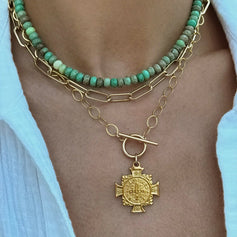
Choose a silk charmeuse, satin, chiffon, or softly pleated midi with enough movement through the skirt. Pair it with strappy heels, a compact statement clutch, and layered delicate necklaces in one metal, preferably gold for warm colors or silver for cool jewel tones.
The evening version can carry more shine, but the proportions still need restraint. If the dress has pleats or a glossy surface, keep the clutch structured and the shoes visually fine. A dramatic earring may replace the necklaces when the neckline already has detail.
Event rule: Let one element provide the statement. A highly embellished dress, ornate clutch, and dramatic shoe together make the lowered waist disappear.
Use the following visual reference for polished combinations across professional and casual settings.
Polished weekend sequence
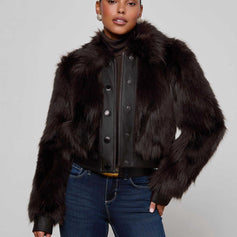
For casual wear, select a knit or jersey drop waist midi with a soft, uncomplicated skirt. Add a cropped leather jacket, slim ankle boots with a modest heel, and a compact crossbody bag. Keep the jacket ending above or near the lowered seam so it doesn't create an unplanned horizontal line across the hip.
Choose silver hardware when the jacket has cool-toned zippers, or match gold jewelry to warm leather and tan accessories. A scarf tied at the neck can add personality, but don't knot it directly at the waist. The aim is ease, not costume.
For all three outfits, check the same basics before leaving the house. The seam should lie flat, the skirt should move when you walk, and the hem should remain at a flattering point on your calf. Styling can shift the dress's mood, but it can't correct a misplaced seam.
Alterations and Care That Protect Your Investment
Professional alterations aren't a sign that a dress fits poorly. They're part of fitting a garment to a real body rather than a standardized sample. A drop waist midi benefits from precise finishing because small changes at the seam or hem can alter the entire visual balance.
The three adjustments worth paying for
Refine the lowered waist seam. A tailor can take in the seam when the dress floats away from the high hip, or let it out when the fabric pulls. The goal is a level seam that stays above the widest hip point while allowing you to sit comfortably.
Hem the skirt for your calf. Standard hems are compromises. Ask your tailor to pin the dress while you stand in the shoes you'll wear most often, then check the line from the front, side, and back. The finished hem should sit at a narrow point rather than stopping across the fullest part of the calf.
Balance the upper proportion. Strap length, sleeve length, and shoulder placement can change how low the waist appears. Adjusting a strap or shortening a sleeve may make the bodice look more intentional without changing the dress's core design.
Care preserves structure
Follow the care label first. Crepe, ponte, silk, chiffon, knits, and pleated blends respond differently to water, heat, agitation, and hanging. For handmade or especially delicate garments, this practical guide to washing handmade clothes correctly offers useful principles for protecting fabric and construction.
Store pleated dresses according to the manufacturer's instructions, keeping folds aligned rather than crushing them beneath other garments. Use a hanger that supports the shoulders, and avoid leaving stretch fabrics under tension at the lowered seam for long periods. Knits and fluid materials can gradually relax around the hip if they're stored carelessly.
Dry cleaning may suit embellished garments, while some washable fabrics need gentle hand washing and careful reshaping. Never assume “delicate” means durable. A dress that receives the right care keeps its seam level, its lining smooth, and its skirt movement intact.
Building a Drop Waist Midi Wardrobe That Lasts
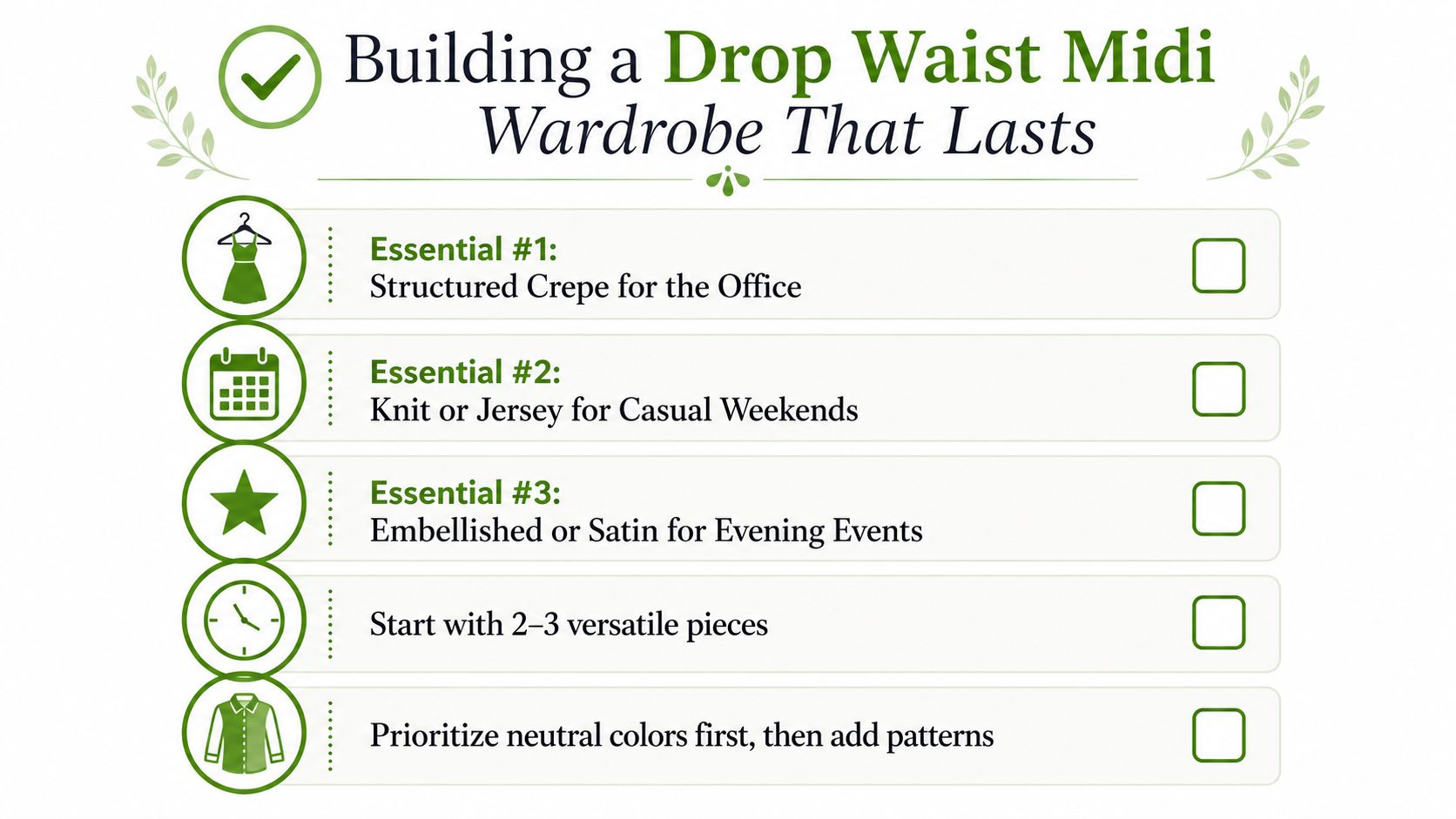
You don't need a wardrobe full of nearly identical silhouettes. Start with a neutral structured version that can handle work, dinners, and polished daytime occasions. Navy crepe, black ponte, charcoal, or a restrained earth tone gives you the most styling flexibility because the shape already provides visual interest.
Add a second dress only when it serves a different purpose. A knit or jersey version can cover weekends, while satin, silk, embellishment, or distinctive pleating can handle weddings and evening events. A patterned statement piece makes sense after you've secured a neutral that fits correctly and earns regular wear.
Use a quality checklist
- Inspect the lowered seam: It should be straight, securely stitched, and free from pulling.
- Check the lining: The lining should support the outer fabric without twisting or hanging below the hem.
- Examine the closures: Zippers, buttons, hooks, and snaps should operate smoothly and sit flat.
- Test the movement: Walk, sit, turn, and raise your arms. The dress should recover its shape without constant adjustment.
- Plan the alterations: Leave room in your budget and schedule for a professional hem or seam refinement when needed.
Cedar & Lily Clothier offers curated midi dresses alongside personal styling advice, easy size exchanges, and complimentary gift packaging on qualifying purchases. Those services can make it easier to compare seam placement, fabric, and occasion use before committing to a special-occasion or work-to-weekend dress.
The right drop waist midi should make you feel composed before you add a single accessory. Choose the one that respects your proportions, supports your real schedule, and gives you a reason to stand a little taller.
Visit Cedar & Lily Clothier to explore curated midi dresses and receive styling guidance for finding the right seam placement, fabric, and hem length. Ask the team to help you choose a drop waist midi that works for your office, weekend plans, or next event.